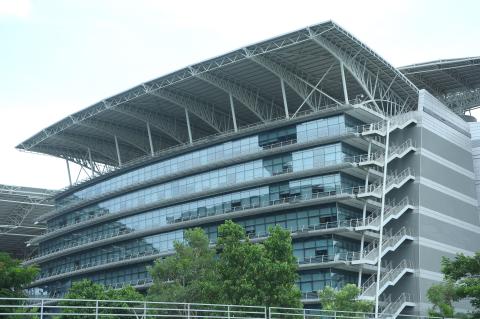
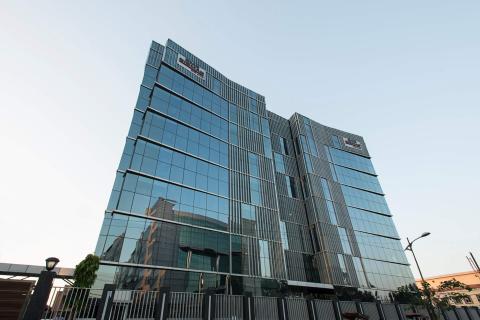
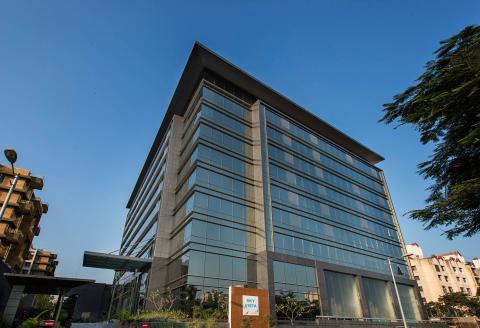
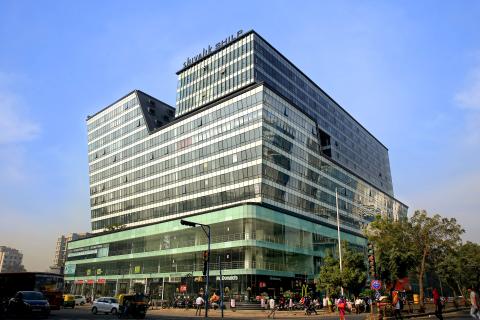
Energy-efficient glazing helps in reducing the electricity bills and the carbon footprint of the building. This is because it allows ample daylight while cutting down on the heat ingress into the building.
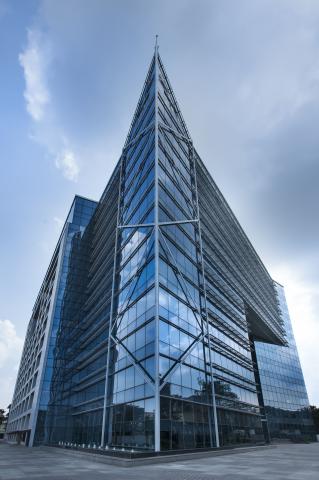
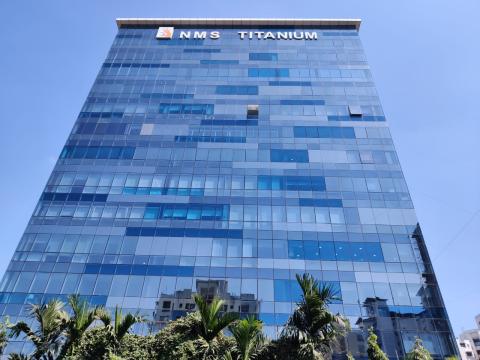
Reflective glazing with a low-E coating is commonly used in hot climates because it offers very good glare control, reduces transmission of solar radiation and also blocks heat.
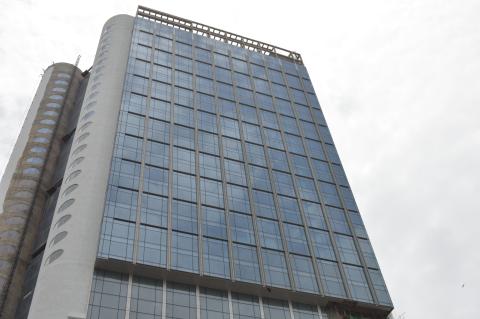
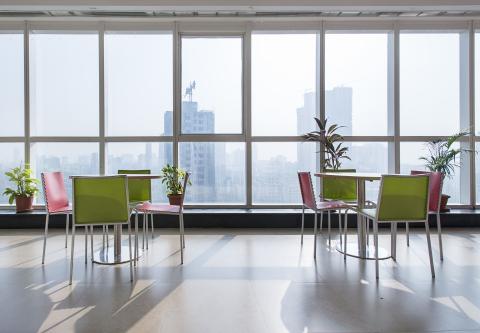
A modern building with a glass façade brings in natural light and ventilation into the building. This helps in minimizing the need for artificial lighting and cooling, thereby cutting down on electricity bills.
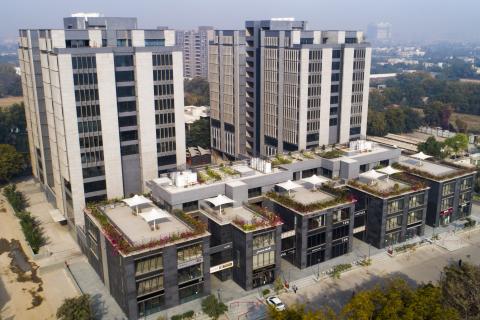
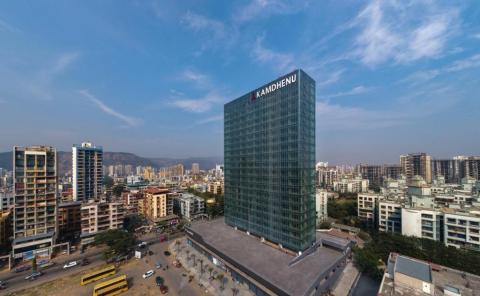
A modern building complex is designed with energy efficient glass to improve the thermal comfort within the indoors and save electricity costs.
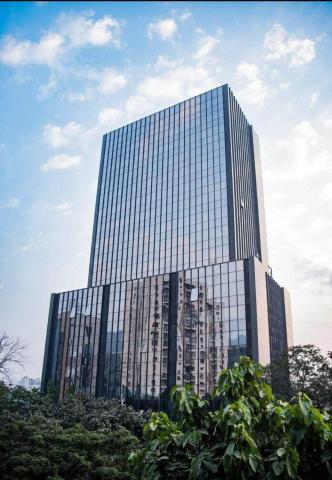
Solar control glass is coated with metal oxides that prevent less solar heat and glare from entering into the interiors of the building. These glass panels allow maximum penetration of daylight within the interiors.
SGG Nano glass enhances the Prestige Building's aesthetic appeal while providing optimal thermal and acoustic performance.
Oriana Energy Efficient Glass for Facade offers superior thermal insulation and noise reduction, while maintaining exceptional clarity and natural light transmission, making it an ideal choice for modern buildings.
Modern building facades are usually designed with energy-efficient glass panels as they help in improving the efficiency of air conditioning and heating systems. Note that conventional glazing may result in unnecessary heat loss and heat gain.
The energy-efficient glass panels form an insulating layer that slows down the flow of heat from indoors or outdoors and improves the overall comfort level of the indoors. In addition, it helps in reducing the heating and cooling costs of the building.
The energy-efficient glass windows of this transitional style building are coated with various metal oxides. It improves the thermal comfort of the building and reduces the running costs of the building.
Energy-efficient glass panels improve the energy efficiency of the building. It reduces the monthly electricity bills, helps to retain heat even in winter and ensures very good thermal comfort throughout the year.