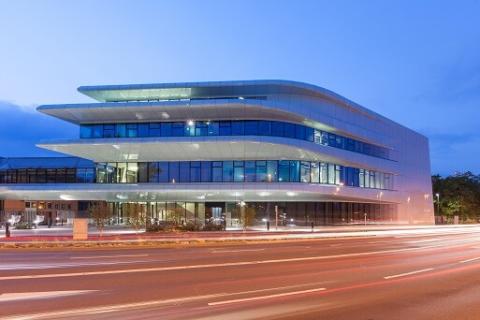
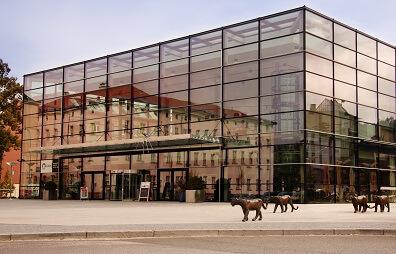
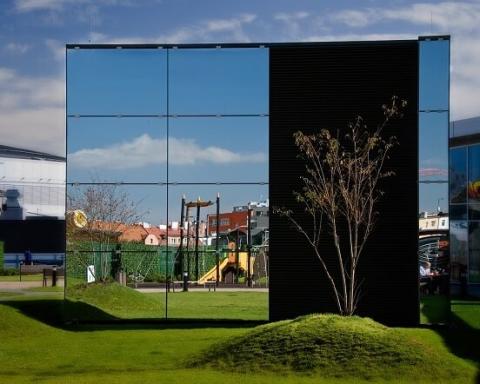
An extensive use of energy-efficient glass on the external glass facade creates a bright and lively indoor environment. The glass reduces the need for artificial illumination and helps in reducing electricity costs.


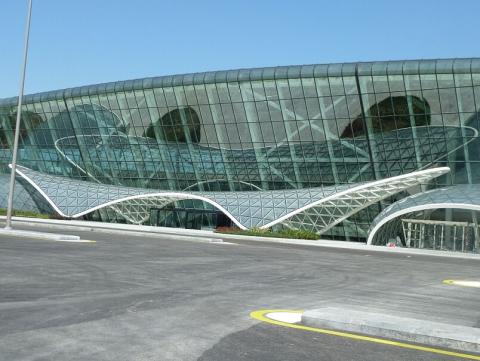
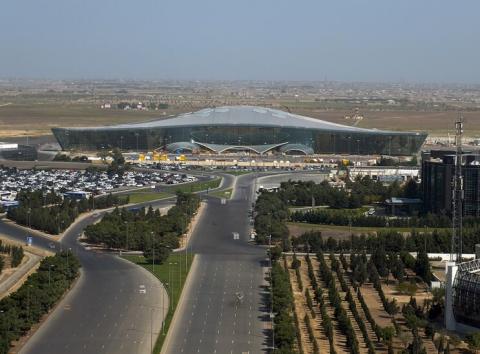
The fluid design of this building includes curved surfaces which are designed with multiple panes of glass. The all-glass facade includes invisible metal coating which prevent solar heat gain or heat loss.
The all-glass facade of this modern building incorporates energy-efficient glass with excellent energy saving properties. The glass facade reduces indoor heat gain without compromising on the availability of natural light.
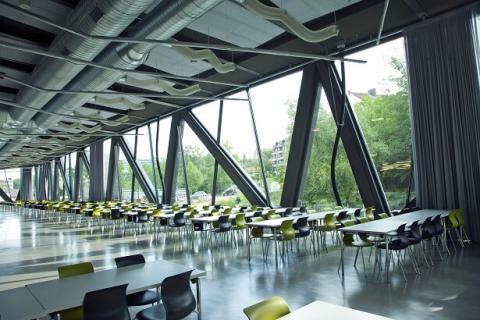
This industrial themed space includes an open floor plan, a high ceiling with exposed AC ducts and metal finishes. The continuous glass panels connect with the outdoors and bring in natural light throughout the day.
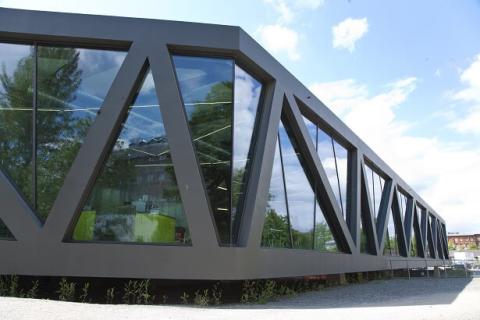
A contemporary building facade incorporates energy-efficient glass panels which prevents heat gain in summers and prevents heat loss in winters through the process of conduction.
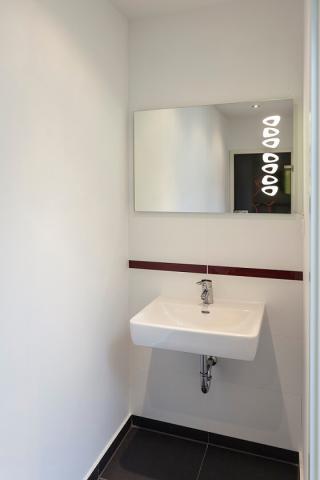
The high-definition LED mirror by Saint-Gobain shows true reflection. It is water-resistant, dust-resistant, energy-efficient and includes smart defoggers with an auto cut-off which prevents fogging. The built-in lighting eliminates the need for a mirror light or wall scones.
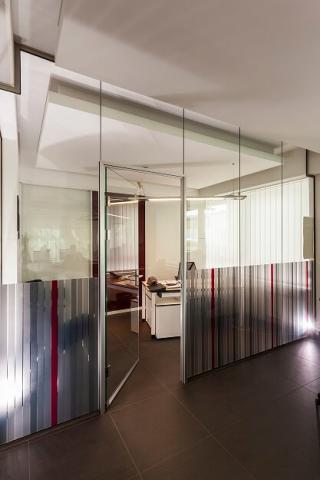
The lower section of the glass partition includes linear patterns while the upper section of the glass is transparent and offers clear views.
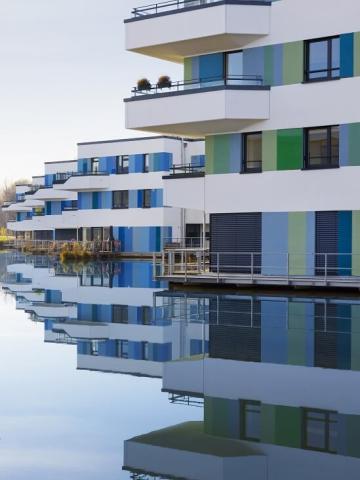
The angular orientation of the beautiful lakeside residences offer plenty of privacy while the energy-efficient glass windows create a comfortable thermal environment within the indoors.
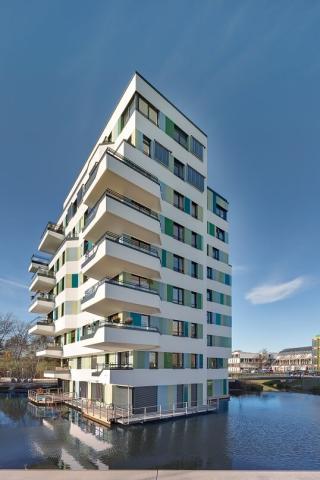
A standalone building on the lake incorporates energy-efficient glass windows and cantilevered balconies which offers stunning lake views.
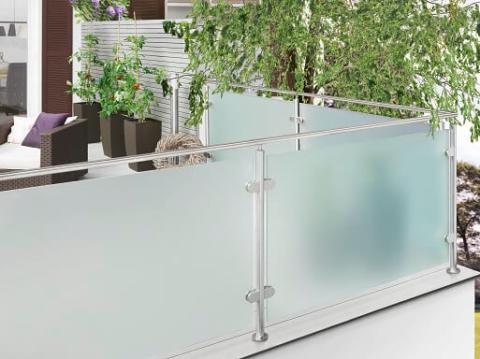
The frosted glass railing offers privacy and adds lightness. Frosted glass is easy to maintain because it does not show water marks easily.
One of the best ways to combat global warming is to design the building with energy-efficient glass because it helps in reducing the number of greenhouse gases that are released into the environment.
The reflective finish of the energy-efficient glass panels brings in maximum daylight into the indoors without increasing the cost of heating or cooling the building.