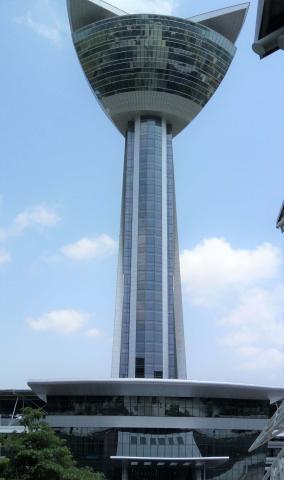
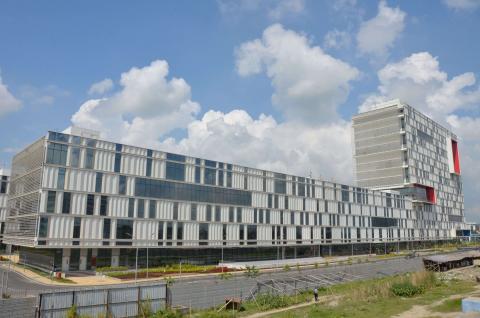
Solar control glass includes an efficient solar control coating which helps in reflecting a large percentage of solar rays and enables maximum penetration of visible light.


When a Low-E coating is applied on architectural glass, it prevents heat penetration into the indoors or the outdoors. Therefore, the architectural glass is efficient in reducing heat gain in summer and heat loss in winter.
The high-performance energy-efficient glass panels have a low Solar Heat Gain Co-efficient (SHGC), a low-U value and enable maximum transmission of visible light into the indoors.
Modern buildings are designed with energy-efficient glass panels to reduce energy consumption by 8 to 10 percent. This is a great way to save on the operational costs of the building, incurred on account of energy.
Energy-efficient glass has become an integral part of modern buildings because it allows maximum penetration of natural light while reducing solar heat gain within the indoors.
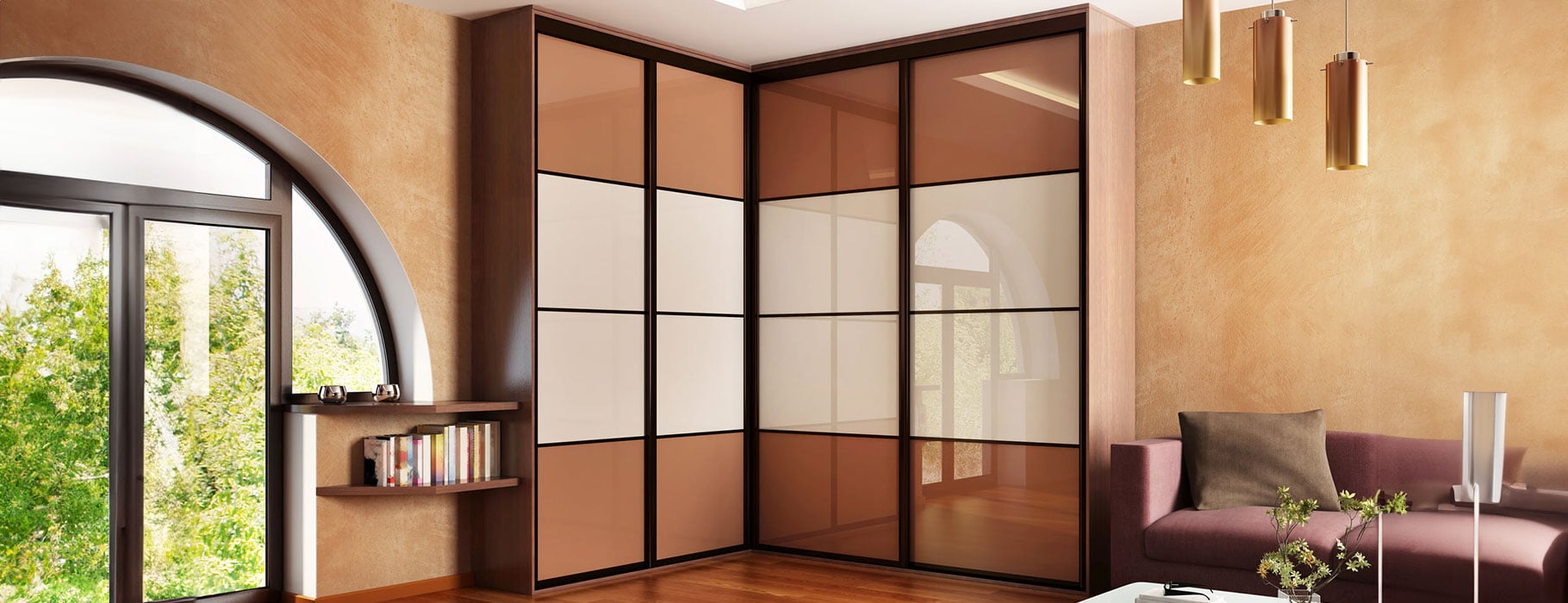
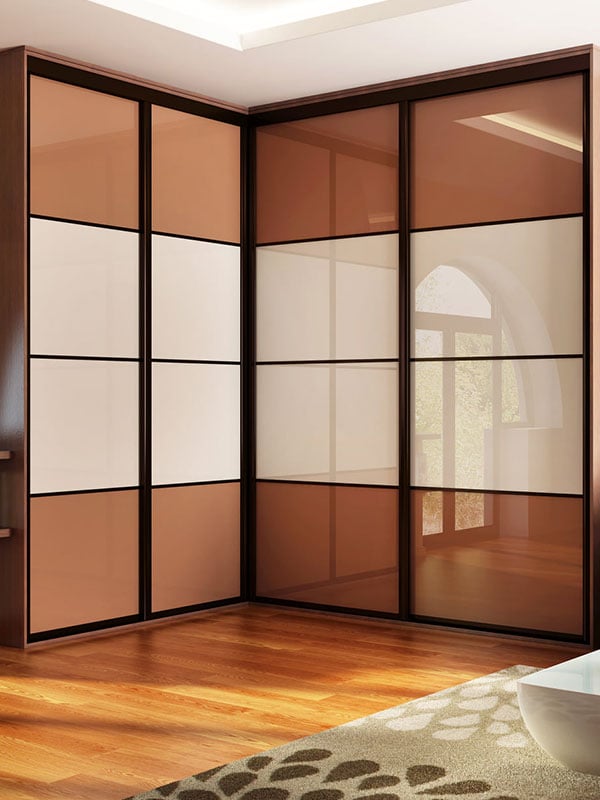
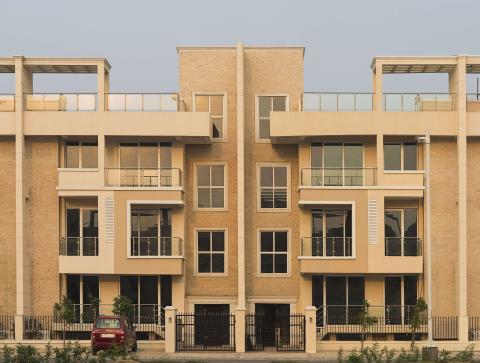
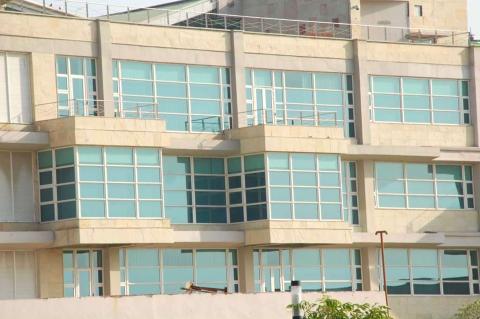
The sliding doors and windows of this residential building are designed with energy-efficient architectural glass which brings in maximum natural light, controls solar heat gain and helps in reducing the electricity bills.
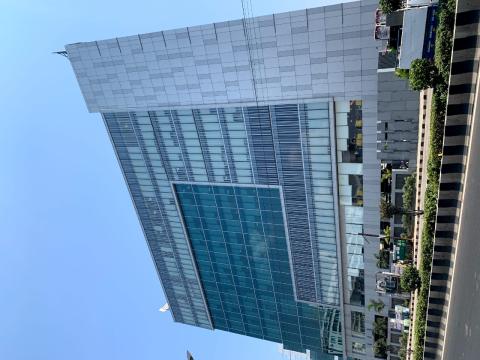
This building comprises solar control glass panels with a low-E Glass coating to reduce the penetration of ultraviolet rays and prevent fading of carpets and upholstered furniture.
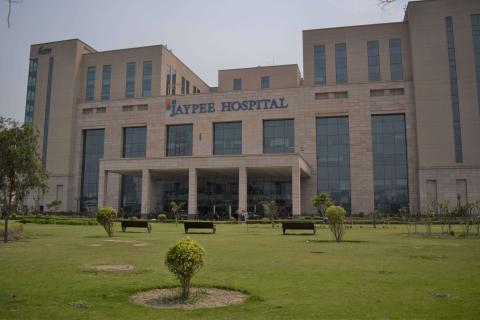
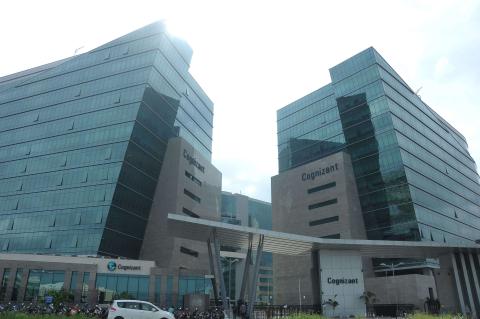
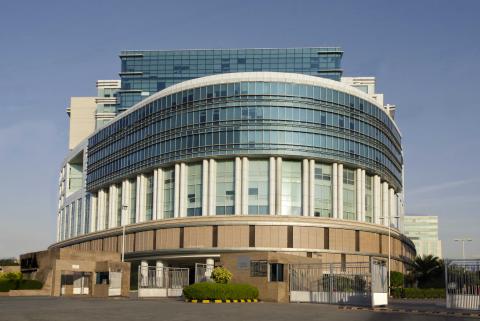
Energy-efficient architectural glass panels are becoming a must-have in corporate buildings because they help reduce the dependence on artificial lighting, heating, and cooling demands of the building and result in significant savings on energy bills.
High performance glass is best suited for modern buildings because it helps in reducing the ingress of heat and allows maximum penetration of daylight.
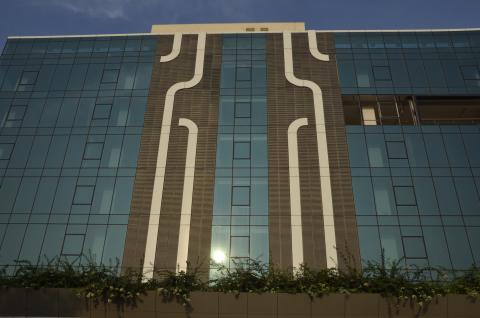
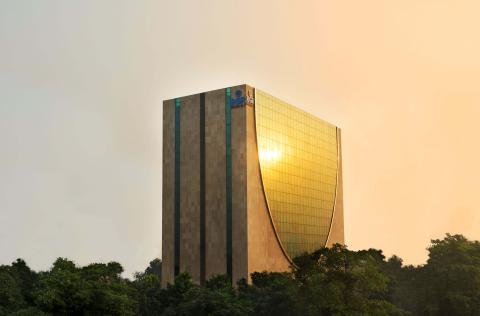
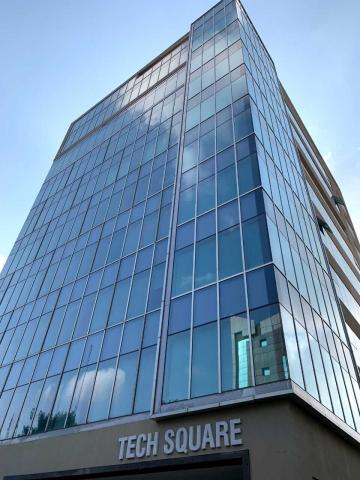
The high performance glazing of this façade optimizes the energy- efficiency of the building and enhances light penetration.
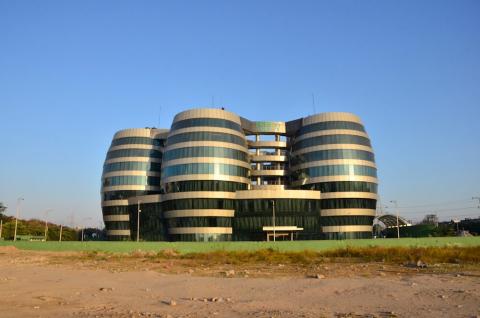
The modern building façade incorporates energy-efficient glass panels which ensure sustainable running costs. These glass panes are coated with various metal oxides to reduce the penetration of solar heat into the building.
One of the biggest advantages of using energy-efficient glass is that it improves the thermal comfort within the building and enables good savings in electricity costs.