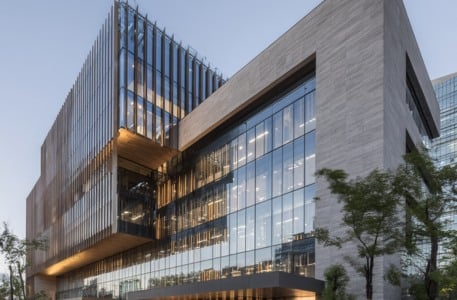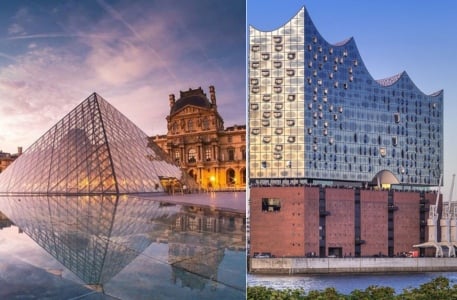
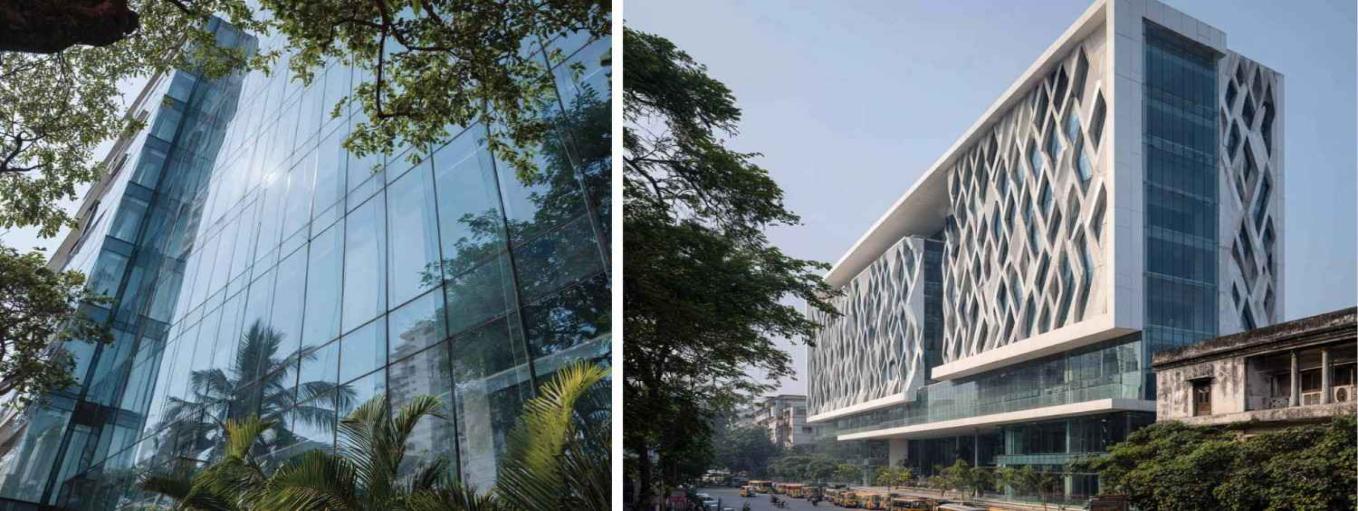
Architecture often begins with a silhouette on the skyline, but it is the facade that ultimately defines how a building is perceived and remembered. A facade is the architectural expression that gives a building its identity, character, and presence within the city. It acts as the visual language through which designers and architects communicate intent, creativity, and innovation.
As modern architecture increasingly seeks to balance sustainability, performance, and technological innovation, facade design has evolved significantly. Advanced materials, intelligent glazing systems, and high-performance solutions are enabling buildings to respond dynamically to the climate while maintaining visual appearance.
In a country as climatically diverse as India, this evolution becomes even more significant. From the intense summer heat of Delhi and Jaipur to the humid coastal environments of Mumbai and Kochi, facade design must adapt to a wide range of environmental conditions.
And at the centre of this strategy lies one such material: glass that offers visual clarity and openness while enabling architects to design facades that balance aesthetics with environmental performance.
India’s diverse climatic zones demand precision in designing building facades. With temperatures touching 45°C in several regions and increasing dependence on HVAC systems, poorly specified glazing can significantly increase cooling loads and energy consumption.
Solar control glass with advanced coatings is engineered to:
Unlike conventional glazing, high-performance solar control glass reflects a substantial portion of solar infrared radiation while allowing optimal visible light transmission. The result is bright interiors without excessive heat ingress and more thermal comfort.
Also read How Solar Control Glass Drives Energy Efficiency In Net-Zero Buildings?
Below is a city-wise overview of the type of high-performance glass best suited and how it contributes to a building’s
visual identity
functional performance
long-term durability.
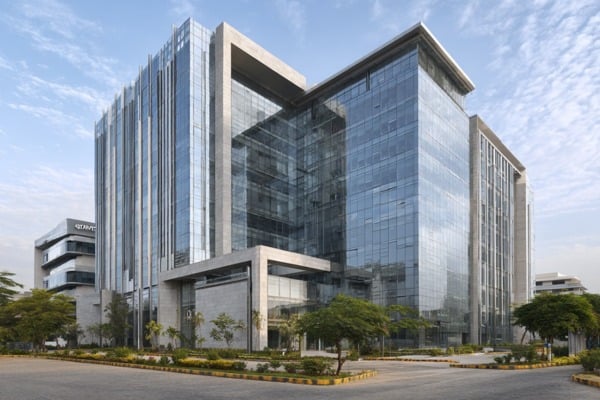
Low-E glass with low external reflection to improve comfort
Delhi, the capital of India, experiences intense summers, cold winters, polluted air, and temperature variations. Facades here must balance strong solar control with thermal insulation.
So what should be the recommended approach?
Highly selective Low-E glass with low external reflection and strong heat rejection can help reduce solar heat gain during peak summers while maintaining clarity and compliance with green building norms. For a city with fluctuating climate extremes, selectivity of materials and glazing systems becomes essential to enhance the occupants' needs.
Also read 8 Major Benefits of Solar Control Glass
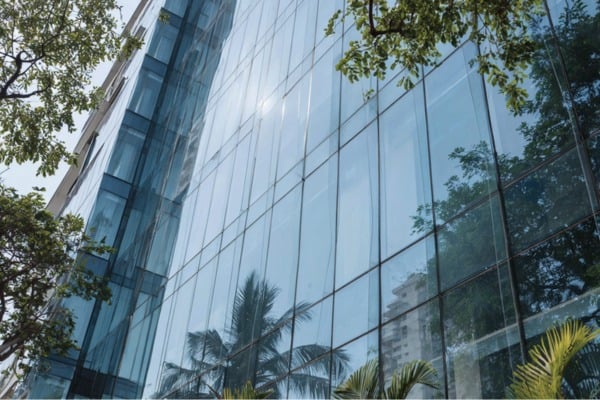
Solar control Low-E glass with enhanced glare for Mumbai’s Climate.
Mumbai’s climate is defined by high humidity, strong solar exposure, saline air, and extended cooling periods. Glazing systems must combat glare and heat while ensuring long-term durability.
Therefore, high-reflective solar control Low-E glass with enhanced glare reduction is preferable to manage Mumbai’s relentless heat and humidity, reflecting a significant portion of solar radiation while preserving facade aesthetics. In coastal cities, performance must be both thermal and resilient.
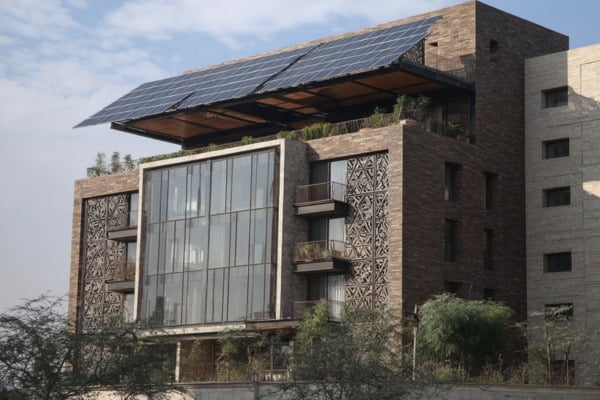
High-performance glass solutions with glazing reduce solar heat ingress in arid climates
Jaipur’s hot, dry conditions demand robust solar heat control. With minimal cloud cover and intense sunlight, buildings absorb significant solar energy throughout the day.
What would be the best approach for designers to boost functional performance and comfort?
Low SHGC glass with aesthetic compatibility for warm architectural palettes complements regional design language while significantly reducing solar heat ingress. In arid climates, performance and contextual aesthetics must align to balance high thermal performance with diffused natural light.
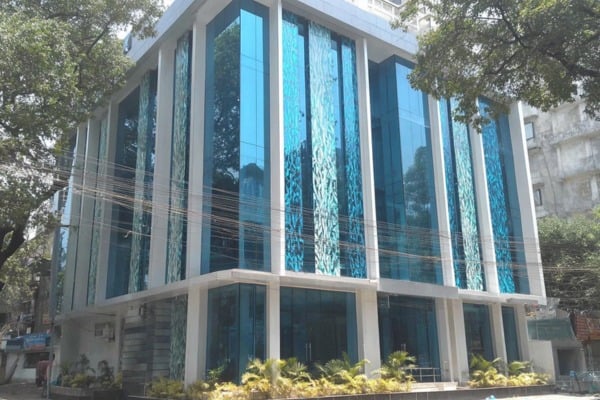
Solar-Control glass strikes a balance between function and aesthetics.
Kochi’s coastal environment combines humidity, brightness, and heavy rainfall. Buildings require glazing that balances insulation with visual comfort.
So, solar-control glass with strong thermal insulation and glare moderation will be the ideal choice for these areas, making it suitable for tropical zones where indoor comfort and glare reduction are paramount.
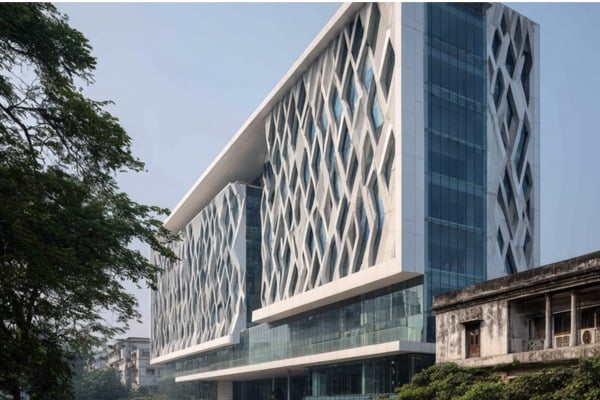
Advanced glass solutions balance daylight optimisation, durability, and visual appeal.
Kolkata faces long humid summers, heavy monsoons, and high ambient glare. Building facades must maintain clear outward visibility while managing internal reflections.
The recommended approach for this would be:
Balanced solar control with low internal reflection for enhanced visual clarity and glare reduction, supporting facade design that offers both performance and unobstructed views.
Also read Designing Climate-Responsive Facades: The Role of Black Solar Control Glass
Selecting glazing for Indian cities requires a comprehensive approach. Key performance indicators include:
1. Solar Heat Gain Coefficient (SHGC)
Lower SHGC values reduce heat ingress, which is essential in hot climates.
2. Visible Light Transmission (VLT)
Balanced VLT ensures adequate daylight without glare.
3. U-Value
Indicates insulation performance, ideal for cities with seasonal variation.
4. Selectivity Ratio
The ratio between light transmission and solar heat gain: higher selectivity means better performance.
5. Orientation & Building Typology
East- and west-facing facades require stronger solar control compared to north-facing elevations.
India’s climatic diversity means there is no one-size-fits-all facade solution. Performance must be tailored to geography and occupants’ needs.
Also read An Architect’s Guide to the 5 Best Building Glass Facades
As cities pursue net-zero targets and green building certifications, intelligent facade design is becoming a fundamental part of sustainable architecture.
The next generation of solar control glazing integrates:
High-performance Low-E coatings
Advanced selectivity
Double-glazed configurations
Low-carbon manufacturing processes that reduce embodied emissions
Innovations such as ORAÉ® low-carbon glass substrates, integrated with advanced Low-E coatings, mark a significant step forward. By reducing the embodied carbon of glass while maintaining high thermal and solar performance, these solutions align closely with the goals of net-zero construction.
Saint-Gobain’s Sun Ban and Infinity ranges, combined with ORAÉ® technology, exemplify this shift, enabling architects and designers to design facades that balance thermal control, daylight optimisation, durability, and aesthetics.
What is solar control glass, and how does it work for hot climates in India?
Solar control glass is a specially coated glass that reflects a significant portion of solar heat while permitting natural light and views. It reduces up to 70% of heat ingress, minimises UV radiation, and helps maintain cooler and more comfortable interiors in tropical climates like India.
How does solar control glass reduce energy consumption?
By reflecting infrared radiation and limiting solar heat gain, solar control glass reduces air-conditioning demand, thereby lowering energy costs and operational carbon footprint.
Is solar control glass suitable for residential buildings?
Absolutely. It is increasingly used in residential projects to reduce cooling costs, improve daylight quality, and enhance overall energy efficiency.
How many types of tints and finishes are available for solar control glass?
Solar control glass is available in a stunning range of tints, like neutrals, greens, blues, blue-greens, metallic and bronze, offering functional performance and aesthetic expression to the space.
Is solar control glass widely available?
Yes, Saint-Gobain’s Sun Ban range of solar control glass is widely available, connect with us for more information.
Jahanavi Arora is an architect by profession and a writer by choice, with over 7 years of experience in architecture and design writing. She graduated from Chandigarh and believes that writing and architecture are similar as both are forms of art. Read More