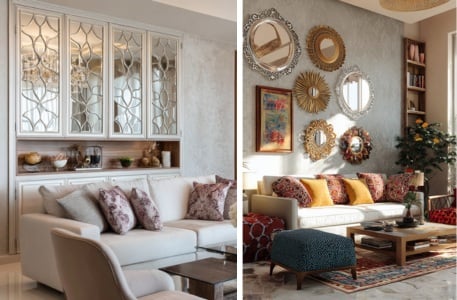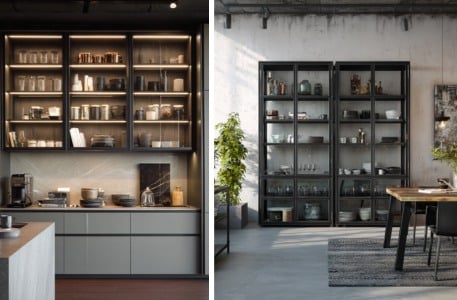
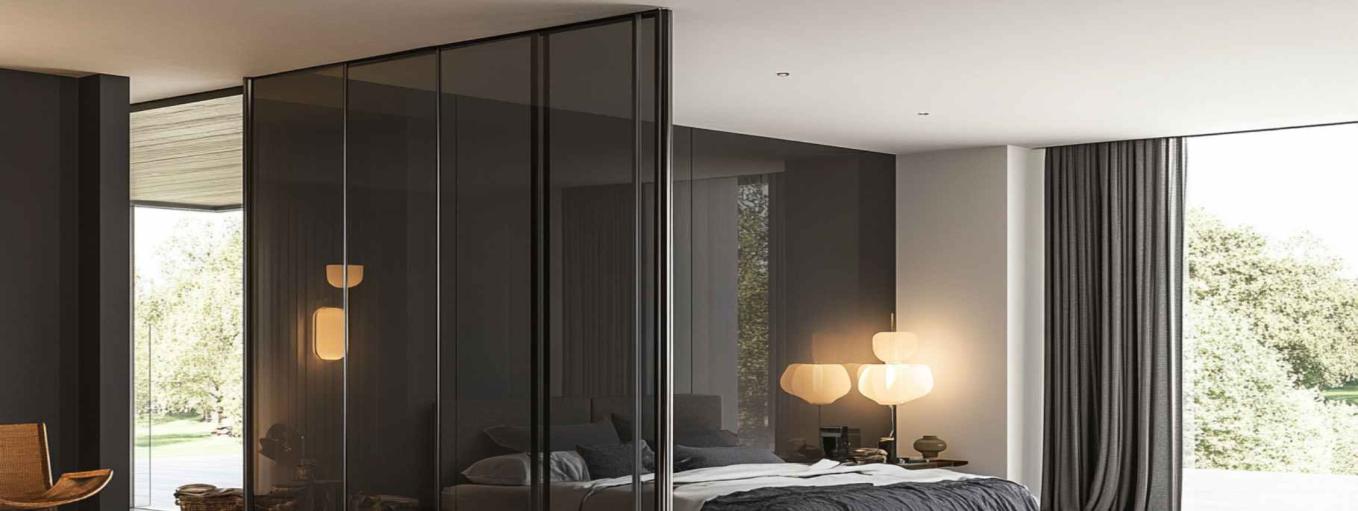
From the soaring facades of modern architecture to the refined elegance of home interiors, glass has become a multifaceted material in design.
Celebrated for its ability to blur boundaries, maximise natural light, and create visual connectivity, glass is a functional element that can dramatically influence how we perceive and experience our built environment. With innovations in glazing technologies and aesthetic treatments, glass comes in various forms.
Among the most commonly used glass types, clear glass and tinted glass offer distinct visual and practical advantages. While one emphasises clarity and openness, the other ensures privacy, reduces glare, and improves energy efficiency.
Let's explore the differences between clear and tinted glass while understanding their properties, benefits, and best-use scenarios within the home.
Also Read: Top Applications of Extra-Clear Glass: From Luxury Interiors to Modern Exteriors
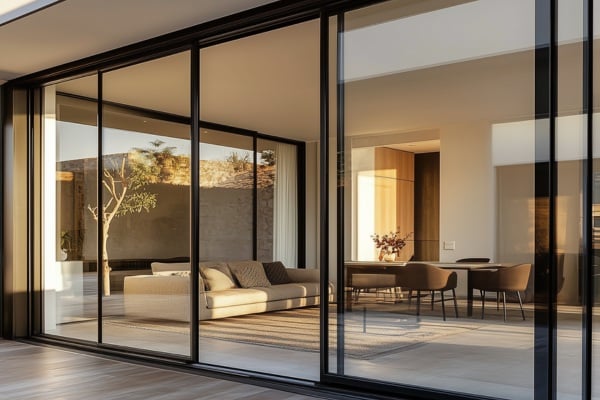
Clear Sliding Doors Bringing Indoor-Outdoor Connection.
In the world of architectural and interior design, clear glass is the most commonly used and recognizable type of glass. It is completely transparent, allowing maximum transmission of natural light, creating open and well-lit interiors.
Benefits of Clear Glass
Clear glass offers unobstructed clarity and visually expands spaces in compact apartments, urban homes, and spaces with limited access to natural light.
Since clear float glass does not naturally insulate against heat, it is best suited for interior partitions, shaded openings, or areas not directly exposed to the sun.
When heat-treated, clear toughened glass becomes highly resistant to impact and breakage. This offers safety in high-traffic areas and makes it suitable for a wide range of functional and aesthetic applications.
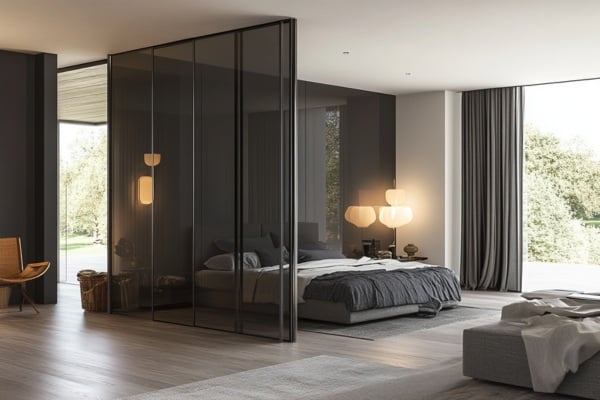
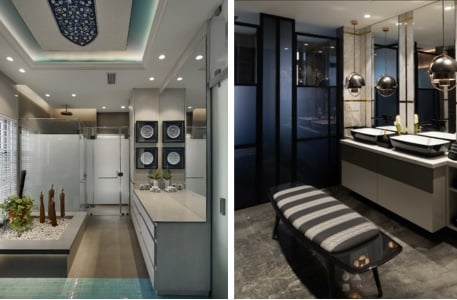
Tinted Glass Partition Providing Privacy and Allure.
Tinted glass is treated with metal oxide layers deposited on its surface to render it a subtle coloured appearance. This advanced coating absorbs and reflects light, thereby modifying the glass's natural transparency and opacity.
Unlike clear glass, tinted glass offers a semi-opaque surface that balances privacy and aesthetics. It allows optimum daylight to pass through, minimises glare, and provides UV protection and energy efficiency.
Also Read: Exclusive Tips to Design Mid-Century Theme Bedroom with Tinted Glass & Mirrors
Benefits of Tinted Glass
Tinted Glass allows optimum daylight to pass through and minimises glare, creating more comfortable interior environments.
Harmful ultraviolet rays can fade upholstery, rugs, and wall finishes and tinted glass provides a much-needed protective shield, extending the life of interior furnishings.
Tinted glass is available in a range of tints (green, bronze, and grey) and can be integrated into modern, industrial, or luxury interiors. Whether it is used in furniture, glass partitions, or doors, it adds a sophisticated, custom look.
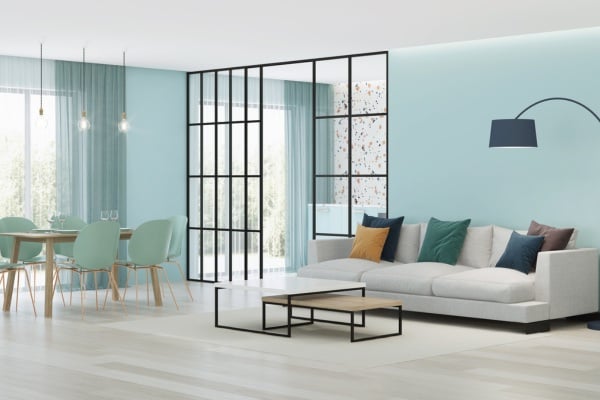
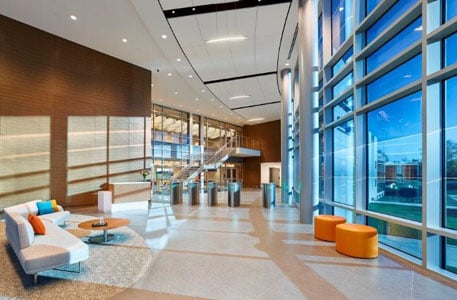
Clear Toughened Glass Partitions for a Seamless Open-Plan Design.
Clear glass is known for its crystal-clear transparency and timeless appeal while seamlessly blending with various interior styles.
1. Interior Partitions:
In open-plan layouts, clear glass partitions help define zones without compromising on visual openness or light flow.
2. Facade:
In hot and tropical climates, clear glass can be enhanced with advanced solar control coatings that reflect infrared and ultraviolet radiation while allowing ample natural light to enter. When used in facades, this high-performance glass solution significantly reduces solar heat gain to 70%, thereby minimising cooling loads and protecting interior finishes from UV damage.
3. Furniture
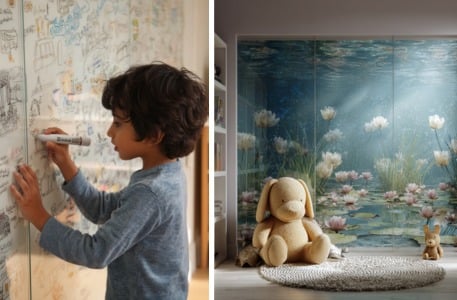
Used in tabletops, cabinet doors, and shelving, clear toughened glass lends a modern aesthetic while providing durability and ease of cleaning.
4. Balustrades and Railings:
Clear laminated glass balustrades are ideal for staircases and balconies. They ensure safety without obstructing the view, perfect for contemporary interiors.
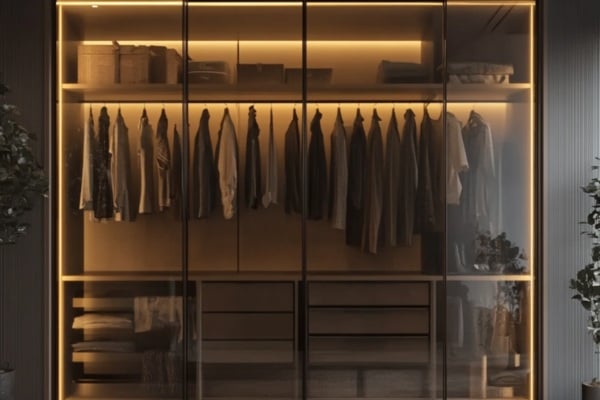
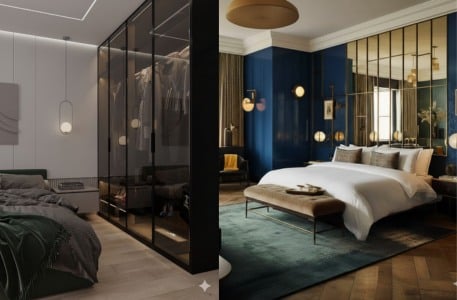
Tinted Glass Wardrobes Adding a Chic Look.
Tinted glass accentuates the interiors of any space when used thoughtfully, offering a harmonious balance of privacy, light control, and visual warmth. Some common and stylish applications include:
1. Doors and Partitions
Tinted glass creates semi-private spaces without making them feel isolated. Whether it’s a meeting room, home office, or dining area, these glass partitions and doors bring soft opacity with a contemporary edge to the interiors.
2. Crockery Units and Wardrobes
Glass shutters can lend a refined, luxurious vibe to wardrobes and kitchen crockery units. Tinted glass provides subtle concealment while still allowing a glimpse of the contents inside. When paired with LED lighting, it adds a warm glow and an elevated design element.
3. Staircase Railing Design
Tinted glass railings are mesmerising, providing a balance of privacy and elegance. Their streamlined appearance enhances visual continuity while still maintaining openness. Tinted glass must be tempered or laminated for added strength and structural safety.
Also Read: A Practical Guide To Selecting Tinted Glass For Your Home Or Office
Clear and tinted glass offers unique specifications and advantages that cater to different design needs. While clear glass opens up spaces and invites light into interior spaces, tinted glass adds character, privacy, and UV-protection.
The right choice of glass solutions depends on space layout, design goals, functional requirements and desired ambience. A thoughtful combination of both clear and tinted glass across the interiors can deliver a balanced design, maximising light, enhancing comfort, and elevating the overall visual appeal.
Where is clear glass best used in interior design?
Clear glass is ideal for spaces that require maximum light and a sense of openness. It works beautifully in interior partitions to define zones without interrupting the light flow, in furniture like tabletops and shelves for a contemporary touch, and in balustrades or railings where it provides safety without compromising on the view.
Where is tinted glass used?
Tinted glass can be a transformative element in any space and is widely used across home interiors, exteriors, and commercial settings—for facades, partitions, doors, furniture, cabinet shutters, and more.
Which type of window glass is best?
The best type of window glass depends on the specific needs—climate, privacy, energy-efficiency, and aesthetics - all play a role. For maximum natural light and visual clarity, clear toughened glass is ideal in shaded or interior-facing spaces, providing remarkable strength and resistance against breakage. However, in hot or tropical regions, solar control glass offers better performance by reducing heat gain and UV exposure. If privacy, glare reduction, or a more sophisticated aesthetic is your goal, tinted or reflective glass is a smart choice.
Can I use both clear and tinted glass in the home interiors?
Yes! A mix of both clear and tinted glass can ensure brightness, privacy and style wherever needed.