

Glass railings add a seamless, contemporary element to coastal homes: they frame ocean views, increase daylight penetration, and feel visually weightless. But salt air, high winds and humidity make coastal installations challenging as compared to inland projects.
This glass railing care guide explains how glass railings are designed for coastal environments and gives practical, tested steps for how to clean and maintain glass railings in coastal areas so your balustrades stay safe and crystal-clear for years.
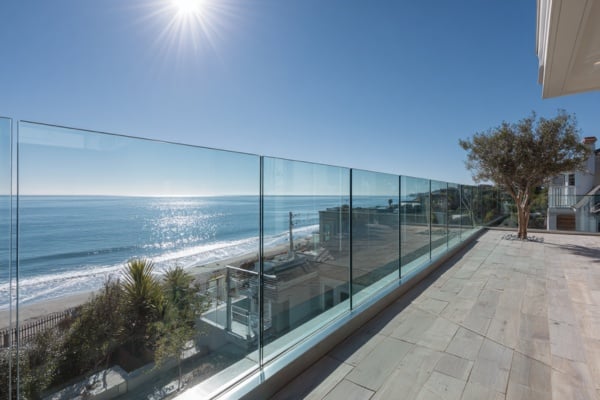
Glass Railing for Scenic Views
Glass railings offer breathtaking views in coastal homes, regardless of the building type, while serving as a design statement that balances strength, elegance, and functionality. Homeowners and architects often opt for them because they deliver unique benefits that perfectly suit the seaside lifestyle.
The biggest draw of a coastal home is the picturesque view of rolling waves, sunsets, and endless horizons. Unlike traditional balustrade designs, glass railings frame these panoramas without interruption. Laminated or tempered glass panels are engineered for safety, offering crystal-clear views and bringing natural light and coastal scenery into your living spaces.
Coastal homes celebrate light, airy, and uncluttered interiors and glass railings with their streamlined appearance, blending seamlessly into any setting or design style. The translucent and reflective nature of glass reduces visual bulkiness, making even small balconies appear more spacious.
A well-designed home with glass balustrades exudes elegance, elevating both aesthetic appeal and property value. In premium coastal locations, where every detail matters, glass railings set a home apart, enhancing overall demand.
While traditional balcony railings made of wooden or wrought iron may warp, chip, or corrode quickly in salty air, glass is remarkably resilient. Modern glass panels are treated and tested to withstand wind loads, temperature variations, and coastal humidity. With simple, consistent upkeep, homeowners can enjoy long-lasting beauty with reduced repair needs compared to conventional railing systems.
Also read 5 Advantages of Toughened Glass Railings and Balustrades
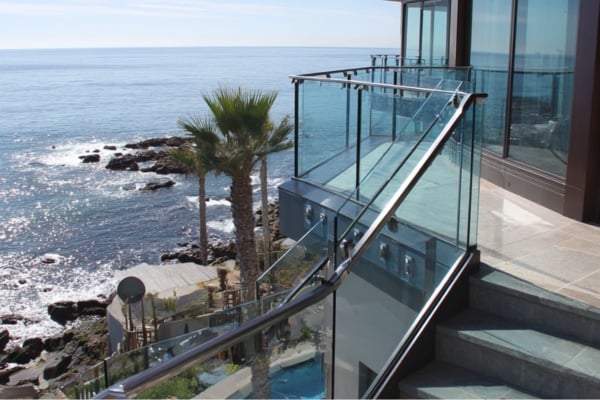
Toughened Laminated Glass Railing Boosts Strength and Durability.
When it comes to glass railings' maintenance and performance in seaside settings, material selection is the foundation. Coastal air is salty, humid, and often windy, which can accelerate the degradation of guardrails. Choosing the right glass panels and hardware promises striking visual appeal and longevity.
Glass panels must combine strength, durability, and safety. While both tempered (toughened) and laminated options offer significant advantages, toughened laminated glass is the ideal choice for seaside homes.
The result? Railings that balance safety, transparency, and longevity, while protecting against saltwater damage to glass railings.
Also read Understanding Types And Styles Of Glass For Stair Railings
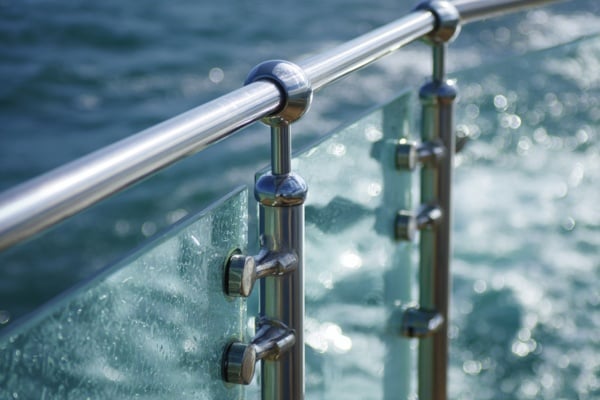
Glass Panels with Corrosion-resistant hardware for Long-Lasting Appeal.
A strong railing system relies on glass panels, but also its fittings, posts, and connectors are equally important. In coastal areas, where corrosion is a constant threat, the following materials are industry standards:
Pairing durable glass panels with corrosion-resistant hardware ensures your glass railing is built to last and stay pristine for many years to come.
Also read 11 Breathtaking Glass Balcony Railing Ideas
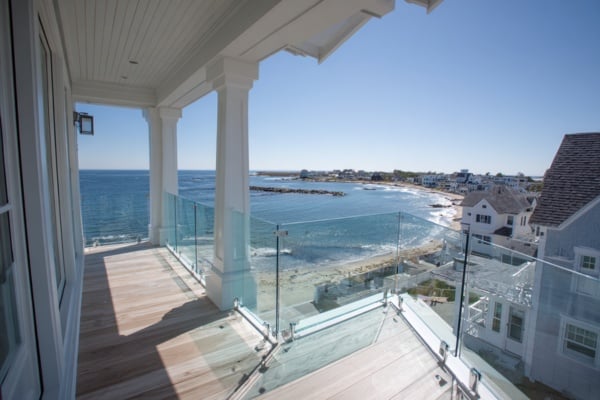
Regular Cleaning Protects the Beauty and Performance of Glass Railings.
Even the best-designed railing systems are constantly exposed to wear and tear. From salt deposits to humidity, dust, smudges, and temperature fluctuations, these elements settle quickly on glass panes and fittings while diminishing their beauty and performance. Here are a few tips to keep your outdoor glass railings in optimal condition.
Opt for a regular cleaning schedule, such as weekly, to wash off salt, grime, or bird droppings before they etch the surface. Always use a microfiber cloth or a soft squeegee, along with a non-abrasive glass cleaner, to remove dirt and smudges.
Never leave glass panels to air-dry after washing, as it often leads to dull water spots. Instead, run a rubber squeegee over the surface and then finish by wiping the edges and corners with a soft microfiber cloth.
Wipe down posts, brackets, and spigots with a damp cloth, then apply a stainless-steel polish or clear sealant to protect the glass railings against saltwater damage.
Avoid using abrasive agents, rough sponges, or razors, as these can leave scratches and ruin that smooth, polished appearance.
Pro tip: For light scratches, mix baking soda with warm water and spray onto affected areas. Let it sit for a few minutes and then rinse and dry.
Inspect for hairline cracks, movement, bent posts or failed fixings. If anything looks off, call a certified installer/structural engineer.
While it may seem convenient to remove dirt and salt with a pressure washer, using excessive force can loosen fittings or even cause chips at the edges of glass panels. If you prefer this method, keep the nozzle at a safe distance and avoid direct hits at joints. Opt for a gentle cleaning to get better results.
Over time, minor issues that remain unnoticed can have adverse effects. Check for loose screws, shifting panels, glass cracks, or damaged seals that can lead to further structural problems.
Pro tip: Schedule a yearly professional inspection to analyse hardware quality, corrosion and structural integrity to ensure safety regulations and performance.
Also read Top Tips for Keeping Your Glass Windows Clean
Glass railings (framed or frameless) are suited for coastal or sea-facing homes. They offer extensive views and lend a modern, minimalist approach.
However, they require a conscious choice of materials and regular upkeep to withstand weather conditions. With tempered laminated glass, rust-free railing designs, and a simple cleaning routine, you can protect your glass railings and keep those views pristine for years to come.
Also read How to care for and clean the glass in your homes?
How often should glass railings be cleaned in coastal areas?
For coastal homes, glass railings should ideally be cleaned every 2–4 weeks to remove salt deposits, dust, and grime. During monsoon or peak summer months, when exposure to humidity and salt is higher, weekly cleaning may be necessary to prevent long-term etching and maintain clear views.
Can toughened glass withstand salty coastal weather?
Yes, toughened glass is engineered to be remarkably stronger than standard float glass and can handle wind pressure, temperature fluctuations, and coastal conditions. However, in salty, humid climates, toughened laminated glass is a better choice. The interlayer in laminated glass adds an extra layer of safety, designed to stay intact even if cracked, reducing injury risk during strong winds or impact.
Do glass railings rust near the sea?
The glass itself does not corrode, but metal fittings and fasteners can be vulnerable in coastal conditions. Opt for high-quality marine-grade stainless steel or powder-coated aluminium hardware, as these materials resist saltwater corrosion and extend the railing’s lifespan.
What cleaning solutions are safe for glass railings?
Stick to pH-neutral glass cleaners or a homemade solution of mild dish soap and water. Avoid ammonia-or acid-based cleaners, as they can damage the surface and corrode metal fittings in a coastal climate. Always finish with a microfiber cloth or squeegee for a streak-free finish.
Jahanavi Arora is an architect by profession and a writer by choice, with over 7 years of experience in architecture and design writing. Read More