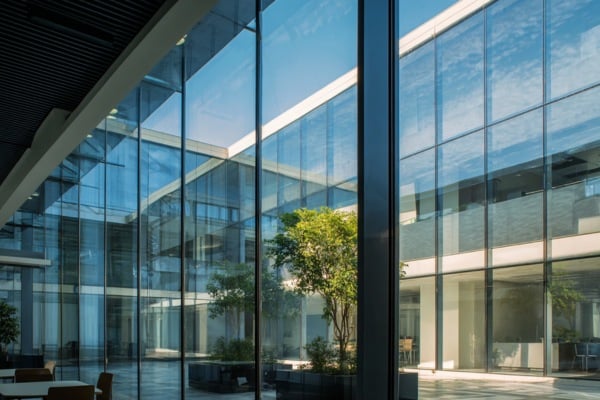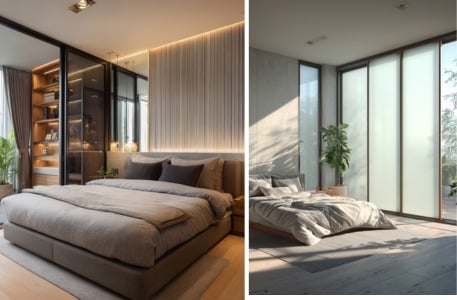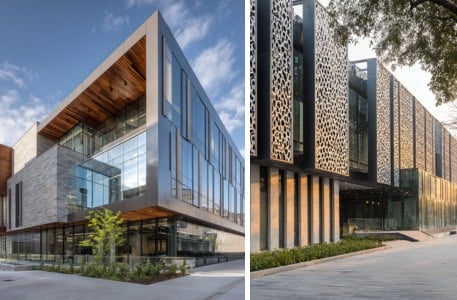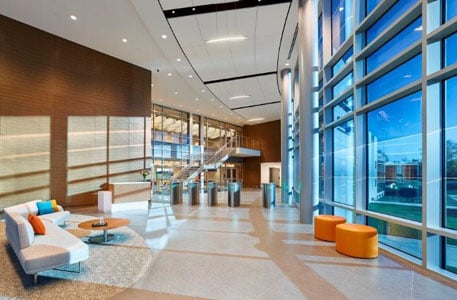
Over the decades, glass has transformed from a passive building material into a defining medium of modern architecture. From opening up interiors, blurring the boundaries between inside and out, infusing spaces with natural light, to offering users comfort and well-being.
Nowhere is this evolution more visible than in commercial environments where glass is indispensable. However, in a tropical context like India, these qualities can also pose challenges, leading to excessive heat gain, glare, and fading of interiors.
The solution lies in innovation, choosing high-performance glass that can think, respond, and adapt to needs. Enter Electrochromic Glass, or Smart Glass; a remarkable technology that transforms how buildings interact with their environment.
This dynamic glass marks a paradigm shift, unlike traditional glazing, which remains static and unable to respond to shifting sunlight and changing temperatures. Electrochromic glass advanced system intelligence optimises comfort and energy-efficiency.
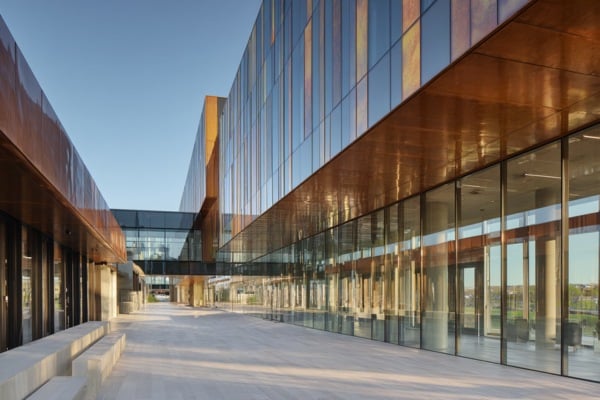
Dynamic Tinting of Smart Glass Preserves Natural Light and Views
Electrochromic glass is an intelligent, tintable glass that can change its light transmission properties when a low-voltage electric current is applied. It automatically adjusts its tint in response to external light and temperature conditions, allowing designers and users to control heat and glare while retaining natural daylight and unobstructed views.
SageGlass by Saint-Gobain, designed to respond to changing sunlight conditions, has elevated this innovation to a new level. Exterior sensors and predictive algorithms allow the tinting of the glass to ensure comfort and energy performance throughout the year. It can also be manually controlled via a wall-mounted touchpad, mobile app, or Building Management System (BMS).
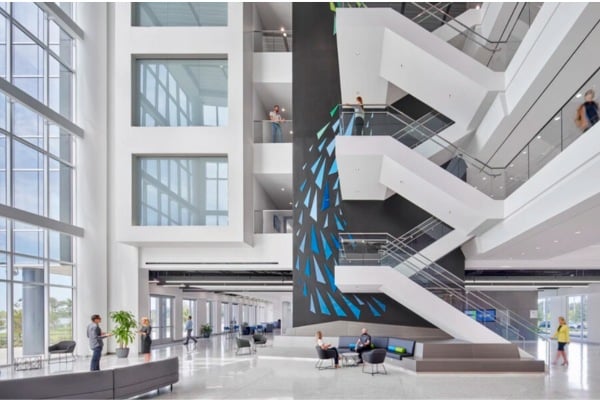
Balanced Daylight Enhances Mood, Focus,and Well-being
Electrochromic glass reduces solar heat gain by up to 91%, creating a stable indoor environment without relying heavily on mechanical cooling devices. It lowers energy loads between 5–15% and peak energy demand by up to 26%, saving on energy bills while aligning perfectly with green building goals.
Traditional shading systems, such as blinds or motorised shades, often block the lush outdoor views that glass facades are meant to celebrate. Smart glass eliminates that by dynamically modulating its tint, allowing ample daylight to penetrate while minimising glare.
Daylight exposure has been directly linked to higher cognitive function and improved productivity. In the era of wellness-focused design, electrochromic glass aligns with biophilic principles, promoting mental and physical health while enhancing overall workplace performance.
Sunlight is both an asset and a challenge in commercial spaces such as galleries, retail stores and showrooms. While it enhances visibility and ambience, prolonged exposure can cause UV damage and colour fading. Electrochromic glass reduces glare and balances illumination levels to maintain visual vibrancy while protecting interior finishes and products.
Smart glass windows provide an intelligent façade solution that strengthens a building’s response to rising temperatures and extreme weather, maintaining thermal comfort and overall well-being.
Also read Your Guide on Smart Glass - Electrochrome Glass
Electrochromic Glass — Performance and Comfort in Perfect Sync
Electrochromic glass delivers maximum performance when used strategically. Begin by analysing sun paths and façade orientation — especially the east and west-facing facades, where sunlight is intense and dynamic.
Define tint zones early in design to respond to varying light conditions throughout the day. Each zone can be programmed to achieve the desired tint level based on solar exposure, time, or interior function, ensuring consistent comfort and optimal energy use.
Pair the glazing system with your Building Management System (BMS) or IoT platform to control the tint level. Intelligent control allows each façade zone or room to respond individually.
Use electrochromic glass with passive design strategies such as overhangs or insulated glazing units (IGU) for a holistic energy-efficient façade design.
In workplaces, comfort drives productivity. Ensure daylight levels and glare control align with activity areas — bright, open light for collaboration and softer tones for focused work.
Collaborate with experts early in the design phase to ensure system efficiency and seamless façade integration.
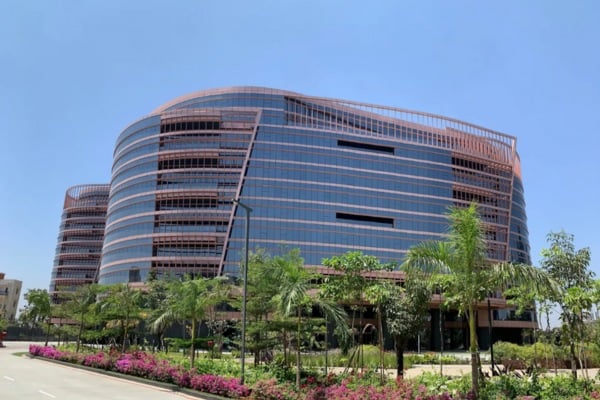
Responsive and Adaptive Façade Built to Withstand Tomorrow’s Climate
Bengaluru, India’s own Silicon Valley, balances technology with tropical warmth. Therefore, creating a comfortable workplace is both an art and a challenge.
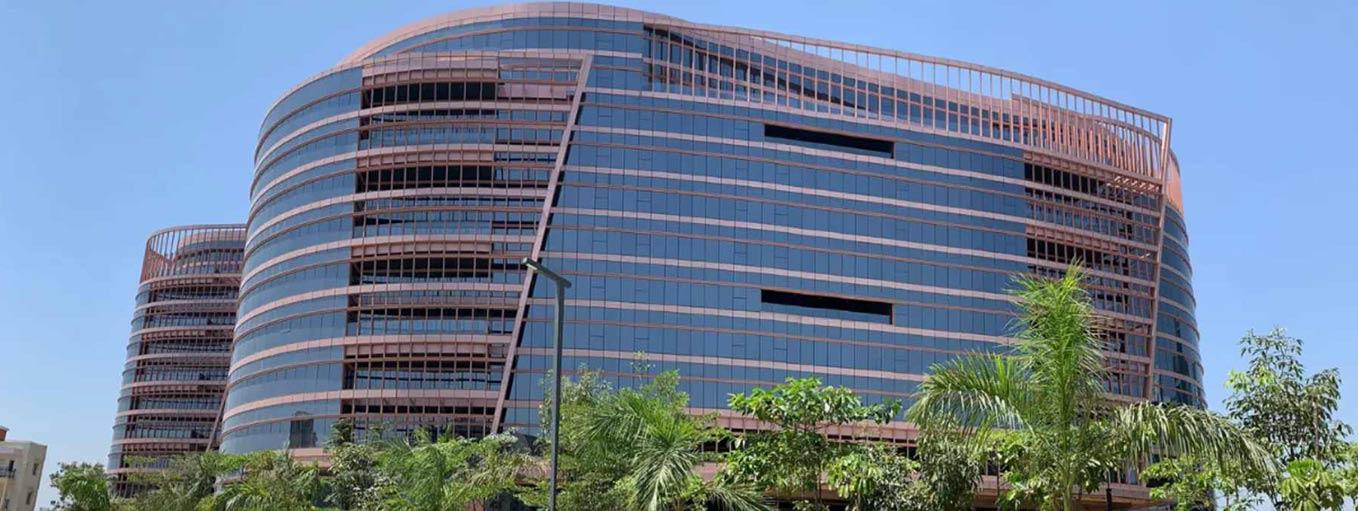
At the Rio Business Park, developed by the Bagmane Group, technology giant Google anchors a workplace that redefines comfort and sustainability.
To create a bright yet thermally balanced atmosphere, the team selected SageGlass Harmony (Saint-Gobain) with Bright Silver — an electrochromic glass solution that tints gradually in response to sunlight.
SageGlass smart windows regulate temperature and maintain a visual connection with the lush surroundings and views of Mahadevapura Lake, all without the need for blinds or shades.
Spanning 1.6 million square feet, with over 200,000 square feet of smart glass, the project stands as the world’s largest electrochromic window installation.
Q.1. How do smart windows save energy?
Electrochromic glass improves a building’s energy-efficiency by dynamically regulating solar heat gain. As the glass tints in response to sunlight, it minimises the load on HVAC systems, helping maintain a stable indoor temperature year-round.
Q.2. Does electrochromic glass block sunlight?
No, this dynamic glass tints intelligently to balance brightness, glare, and heat gain. Unlike excessive shading devices, electrochromic glass filters light, preserving natural illumination and outdoor views. This results in a clean, modern aesthetic.
Q.3. What are the health benefits of smart glass windows?
Smart windows promote healthier indoor environments by delivering optimal daylight levels and reducing glare-induced eye strain. Exposure to natural light improves sleep quality, enhances mood, focus, and overall well-being.
Q.4. What type of SageGlass is available in the market?
SageGlass by Saint-Gobain leads the field in electrochromic and dynamic glazing technology. It offers two distinct solutions:
SageGlass Classic: provides uniform, full-pane tinting that adjusts automatically to sunlight conditions.
SageGlass Harmony: a premium, gradient-tinting innovation that offers targeted glare control while maximising daylight and visual comfort.
Jahanavi Arora is an architect by profession and a writer by choice, with over 7 years of experience in architecture and design writing. Read More