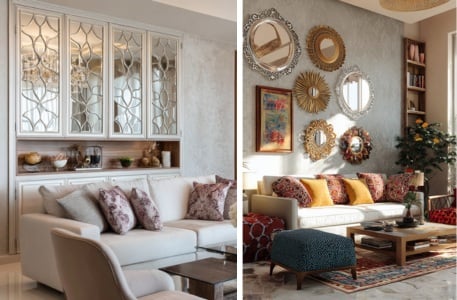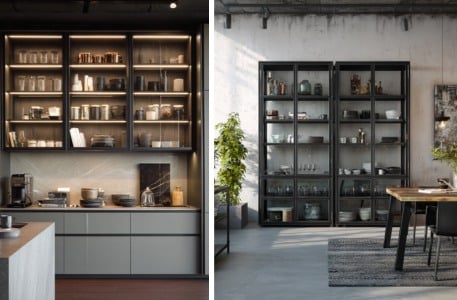
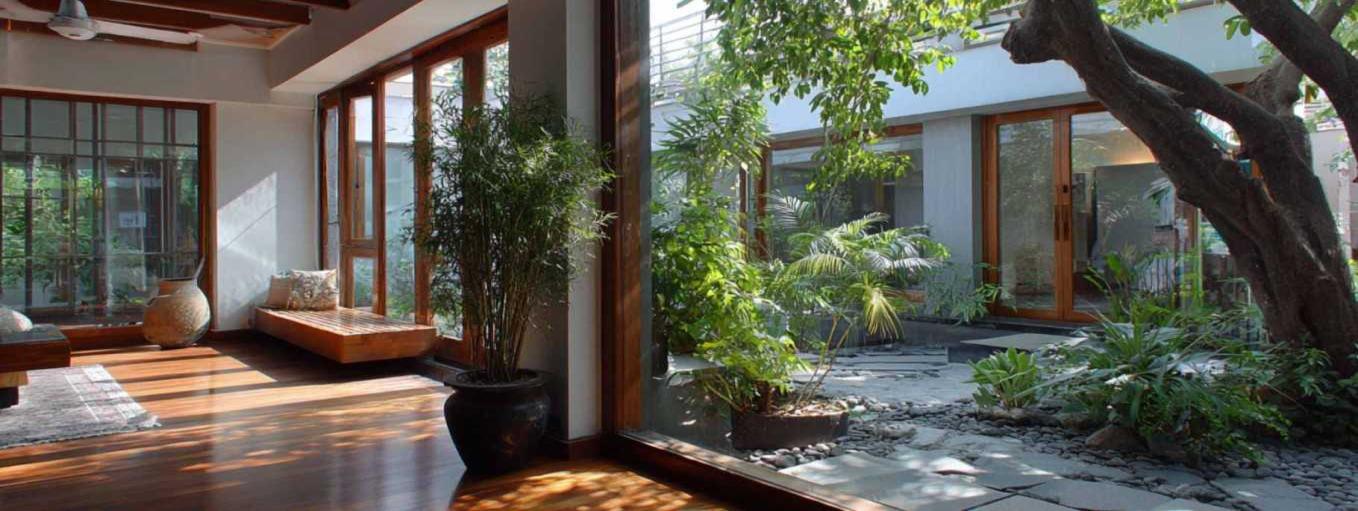
Home is a shelter—from rain, sun, wind and noise. But it’s also more than that. A home doesn’t have to shut nature out to be a comfortable and secure space. It can, and should, invite the outdoors in, without compromising on comfort. If the pandemic reminded us of anything, it’s the joy of living in a space filled with natural light, fresh air, and views of nature, our sanctuary.
Today, architects are reimagining residential design to be more in sync with the surroundings. In Indian homes, the connection with the outdoors may be functional—calling a vegetable vendor from the balcony, watching your child wait for the school bus, or exchanging a smile with your neighbour. It may also be emotional - catching the sunrise, listening to birdsong, or simply soaking in the breeze.
Glass is an obvious choice for this connection. It visually opens up homes and offers a seamless transition from inside to outside. As much as glass elevates home design, one must dive deeper to combat valid concerns of heat gain, glare, safety, and noise. In tropical regions like India, managing heat becomes particularly critical. Glass not only elevates home design, it also combats valid concerns of heat gain, glare, safety, and noise.
Thanks to innovations in heat-resistant glass and glazing technology, homeowners can now enjoy the benefits of glass facades without sacrificing comfort. Here’s how to manage heat and glare effectively in homes with extensive glazing.
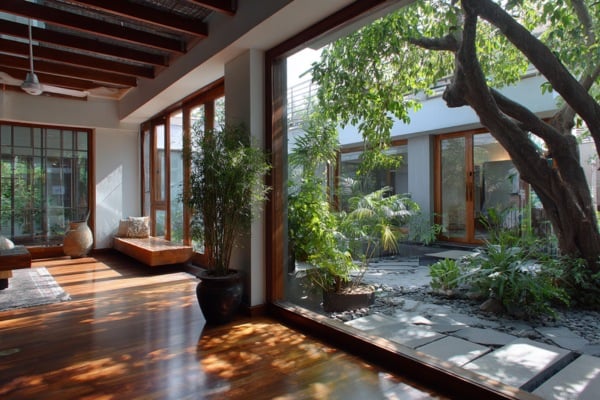
Solar Control Glass for Windows to Reduce Heat Gain and Enhance Comfort.
While commercial buildings frequently invest in high-performance glass, its benefits are often overlooked in residential design. One reason is the relatively lower percentage of glass in traditional home facades. However, with growing awareness around daylighting and wellness, more architects are making informed choices about glass for Indian homes.
Even a modest window can become a major source of heat gain if it uses ordinary clear glass. Opting for solar control glass can significantly reduce heat gain and cut down energy bills.
Pro Tip: Treat windows and facades as critical components in your home's energy strategy. The right energy-efficient glazing ensures comfort without needing to pull the curtains shut all day.
Also Read How Solar Control Glass Drives Energy Efficiency In Net-Zero Buildings?
Alongside high-performance glass, it is wise to integrate passive shading strategies. From deep overhangs and pergolas to jaali screens and louvred shading panels, these architectural tools soften the harsh glare while maintaining a visual connection to the outdoors.
A brilliant example is The House That Meets the Water by Lijo Reny Architects. The home uses a perforated metal screen to shade a glass facade overlooking serene water bodies, balancing openness with thermal comfort.
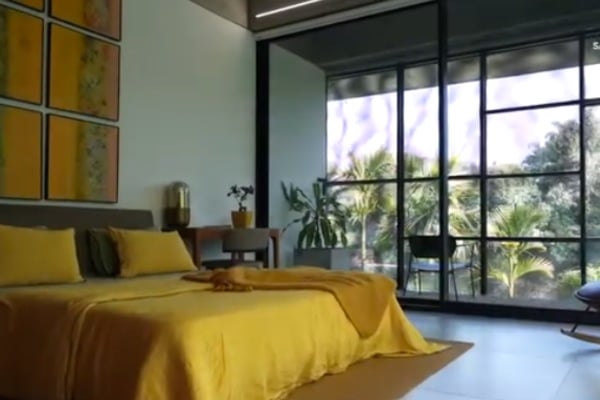
Metal screen along with extensive glass facade at - “The House That Meets the Water”, By Lijo Reny Architects.
Glass-enclosed internal courtyards are a smart solution for homes in dense urban settings. They offer natural light, privacy, and thermal comfort. By orienting rooms around a courtyard and using extensive glazing, the home enjoys a connection to nature without direct heat exposure.
Geode House by Collage Architecture Studio, Bengaluru, is a case in point. Its inward-looking layout brings in diffused daylight through glass walls and skylights, creating a calm, green haven that feels open yet private.
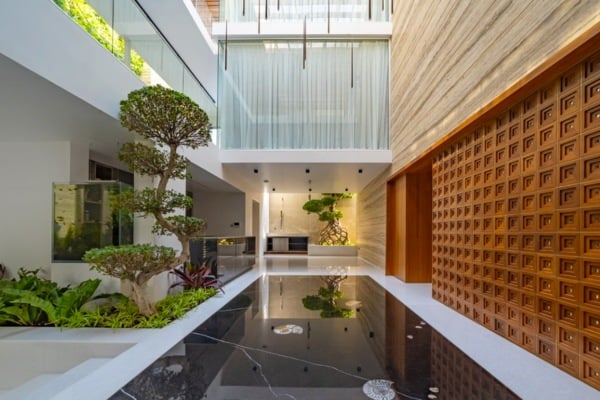
Light-filled inward looking “House Geode” by Collage Architecture Studio
Light wells are vertical shafts that allow natural light to penetrate deep into the home. When paired with frosted or textured glass, they diffuse sunlight beautifully without contributing to glare or heat gain.
In homes where large glazed surfaces require shading for comfort, light wells provide an alternative source of daylight, ensuring the indoors remain bright and pleasant throughout the day.
If your home has large openings, consider insulated glass units (IGUs). These consist of two or more panes separated by an air or inert gas layer that minimizes heat transfer.
Not only do they prevent indoor overheating, insulated glass for homes also drastically reduces external noise—a much-needed feature in today’s busy urban environments.
Also read Insulated Glass Technology and its Applications
Laminated glass combines two sheets of glass with a PVB interlayer, offering superior thermal insulation, acoustic performance, and safety. If shattered, the glass stays intact—making it ideal for family homes.
Architect Raghunath of White Space Design in Bengaluru uses laminated high-performance glass in his project Sarvam, crafting a secure, sunlit space that remains visually open while protecting occupants from heat and noise.
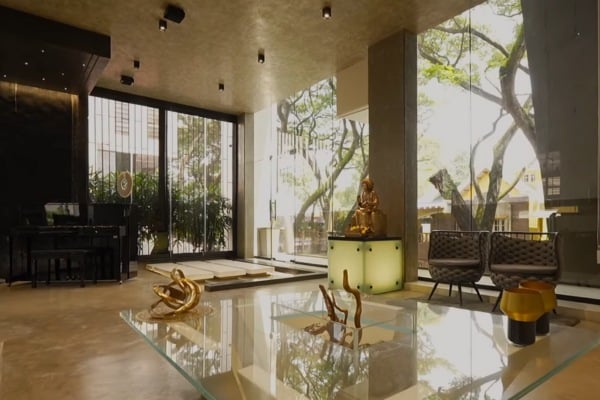
Secure and efficient glass walls at house “Sarvam” by White Space Design, Bengaluru
Also read Elevate Your Space with Laminated Glass: A Guide to Safety and Style
Glass is not just a material—it's a medium that transforms space. When thoughtfully chosen and strategically placed, glass facades in homes don’t have to mean heat, glare, or discomfort. They can instead create energy-efficient, sun-filled, and peaceful living environments.
The key lies in combining smart glass choices—like solar control, laminated or insulated glass—with thoughtful architectural strategies such as shading, light wells, and courtyards.
Designing with glass is all about balance: between nature and nurture, light and shade, openness and privacy. Get that balance right, and you have a home that truly glows.
What type of glass is best for reducing heat gain in urban Indian homes?
Solar control glass minimises heat gain while allowing natural light and thermal comfort. It reflects infrared radiation and reduces energy costs, making it a smart choice for homes in India’s tropical climate.
How does laminated glass improve comfort and safety in residences?
Laminated glass has a PVB interlayer that keeps the glass intact even if broken, ensuring safety for families. It also provides thermal insulation and acoustic performance, making homes quieter and cooler.
What architectural strategies help reduce glare in homes with large glass facades?
Deep overhangs, pergolas, jaali screens, louvred panels, and perforated metal facades are effective passive shading solutions. They cut harsh sunlight while maintaining a visual connection with the outdoors.
How do courtyards with glass walls improve home design in urban settings?
Glass-enclosed courtyards allow natural light and ventilation without exposing interiors to direct heat. They provide privacy, greenery, and a calming atmosphere even in dense city environments.
Rasya is an architect and sustainability consultant based in Delhi. With over 10 years of experience in core architecture, and exposure to working in diverse contexts including India, Belgium and Ethiopia, Read More