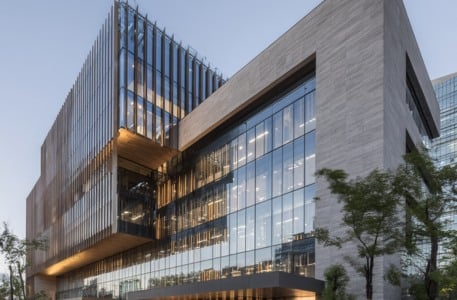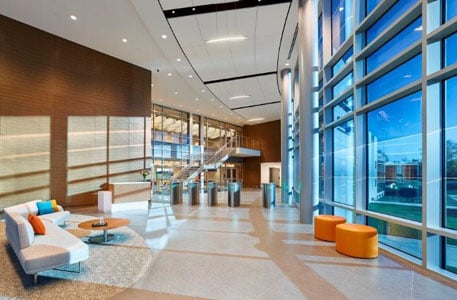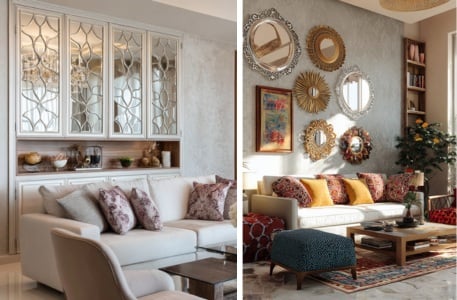
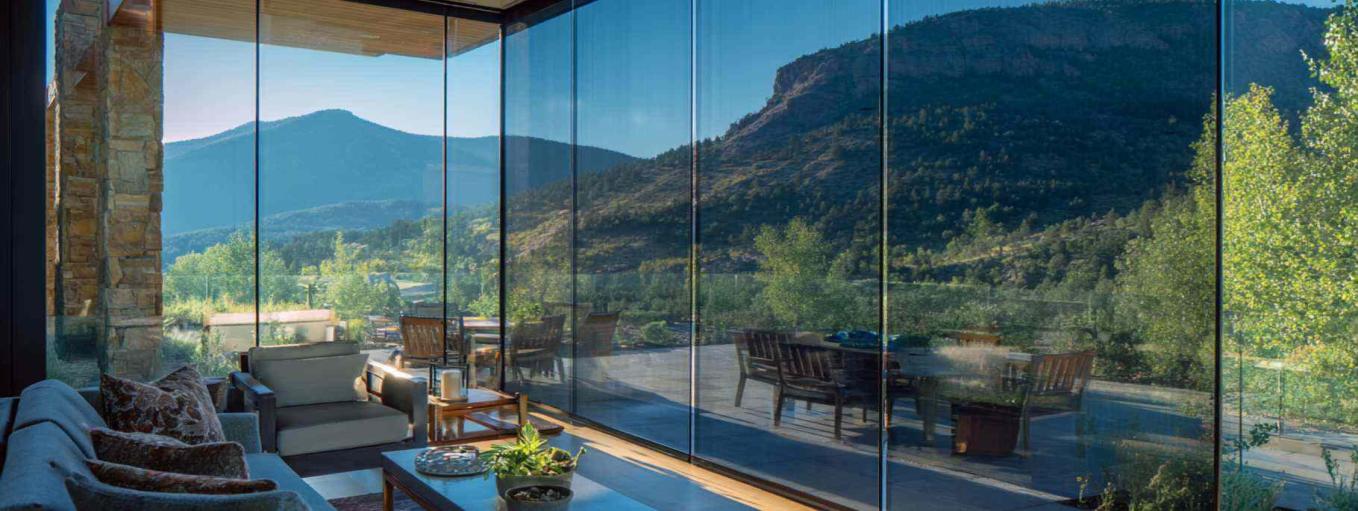
As we move towards more mindful living, daylight remains a vital part of how we design and experience our homes.
We open up our spaces with larger windows, embrace transparency, and rely on natural light to create warmth, visual comfort, and a sense of connection with the outdoors. But in this pursuit of openness, there’s one crucial element that often gets overlooked, i.e. UV protection.
Most homeowners focus on heat, glare, or energy-efficiency when thinking about sun-facing windows. However, the invisible impact of UV rays quietly fades our interiors, strains indoor comfort, and contributes to long-term sun exposure, even when we’re indoors.
This is where solar control glass becomes far more than a functional upgrade, offering a multitude of benefits—including reduced heat and glare and UV-protection from harsh sunlight. For architects and designers, it opens up new possibilities to create spaces that are healthier, cooler, sustainable, and visually appealing.
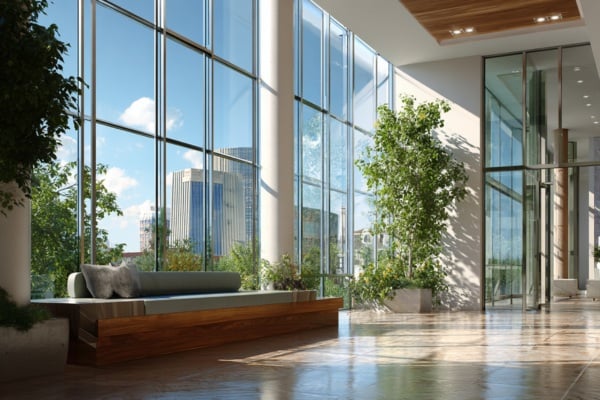
Energy-efficient Glass Windows with UV-Protection
The sun’s ultraviolet rays can easily penetrate untreated windows, causing long-term damage that often goes unnoticed. While standard glazing may not block UV rays completely, high-performance glass solutions come to the rescue with advanced coatings that can effectively safeguard interiors.
This is particularly important because:
Prolonged UV exposure causes fading of furniture, artwork, fabrics, and flooring.
Increased UV penetration contributes to higher indoor temperatures, increasing dependence on cooling systems.
Continuous exposure to UV rays indoors can affect health and cause other skin problems.
With rising temperatures and increased sunlight intensity across tropical cities, opting for energy-efficient glass windows equipped with UV protection is the smart choice.
Also read Top 10 Advantages of Sliding Glass Windows
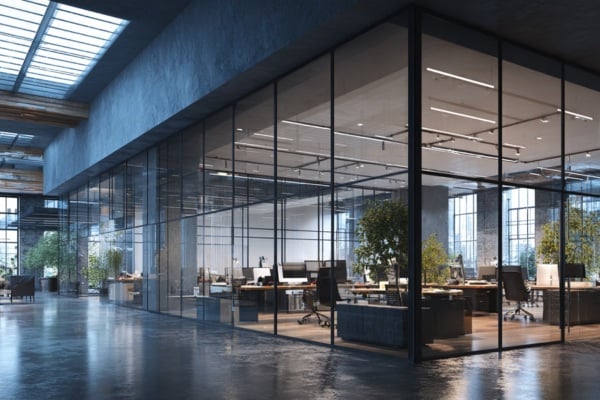
Solar Control Glass Reduces Heat Gain and Blocks UV Rays
Among the most effective solutions, solar control glass stands out for its dual function: blocking a significant proportion of UV radiation while managing solar heat gain. By reflecting and filtering incoming heat, it lowers indoor temperatures and reduces the load on mechanical devices.
Key benefits include:
Minimised glare without compromising on daylight.
Lower cooling bills in summer.
Protection of indoor décor.
Enhanced occupant comfort.
SGG Sun Ban, a high-performance range of solar-control glass by Saint-Gobain, is engineered to make homes cooler, brighter, and healthier while meeting modern design and sustainability goals.
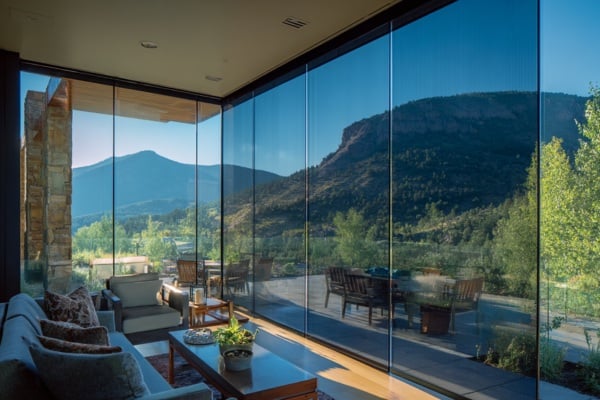
SGG Sun Ban Solar Control Glass Improves Glare and Provides UV-Protection.
To enhance performance, solar-control glass is often combined with other specialised types of glass.
For external façades where both UV protection and safety are critical, laminating solar control glass with toughened glass is an ideal approach. This solution is best suited for large façades, balconies, high-rise windows, and areas where safety glazing is mandated.
Solar control glass is also available in tinted variants that improve glare control while maintaining UV reduction benefits and adding a subtle aesthetic tone to the façade.
When used in double or triple glazing, solar-control glass delivers a powerful combination of thermal insulation, UV protection, and acoustic comfort. Adding solar-control glass to the double-glazing configuration—two panes of glass with an air or inert gas fill between them—helps limit UV penetration while improving energy efficiency.
Also read A Comprehensive Guide to Solar Control Glass and Its Beautiful Tints
Residential façades with glass solutions that maintain visual harmony while improving performance.
Windows, balcony railings, and floor-to-ceiling glazing that offer abundant light and protection.
Commercial building façades designed to enhance productivity and indoor thermal comfort.
Patios, verandas, and sunroofs that create inviting semi-outdoor zones.
Skylights and canopies that bring in natural light without harsh heat or UV glare.
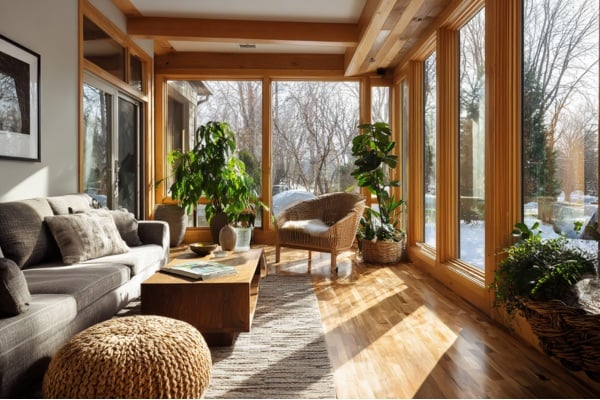
High-performance Glass Solutions with UV-protected Coatings for Well-lit Interiors
Below are the major advantages of integrating UV-protected glass into your home or workspace.
UV rays cause fading in furniture, upholstery, wall art, and flooring. UV-protected glass acts as a shield, allowing natural light to pass through while significantly reducing fading.
This helps maintain the original colour, texture, and lifespan of your décor—keeping interiors vibrant for years.
Modern architecture relies on high-performance glass solutions with UV-protected coatings that perform well across different weather conditions. Installing this type of glass reduces cooling costs in summer and overall energy consumption while meeting green building standards.
Although UV exposure is often associated with outdoor spaces, indoor UV rays can still affect skin health over time. UV-resistant glass filters harmful UVA and UVB rays, ensuring a healthier indoor environment for everyone.
Harsh glare can disrupt daily activities, strain the eyes, and make certain areas uncomfortable. UV-protected and solar control glazing minimises glare while maintaining clear visibility and pleasant daylight, contributing to an optimally lit, comfortable living space.
Properties equipped with advanced glazing systems offering UV protection, energy efficiency, and aesthetic appeal are more desirable in the market. Installing high-performance glass enhances the building’s sustainability quotient, making it a future-ready investment that boosts resale potential.
Also read Understanding the Importance of High Performance Glass in Homes
As homes and offices evolve into multifunctional spaces where we work, live, and unwind, the need for smart and efficient materials becomes essential. With thoughtful integration into façades, windows, skylights, and sun-facing areas, advanced glass technology with UV protection transforms how we experience daylight—offering a safer, cooler, brighter, and more sustainable lifestyle.
What is UV protection in glass and why is it important for homes?
UV protection refers to specially engineered coatings on the surface of glass that block harmful ultraviolet rays from entering indoor spaces. This is essential for preventing fading of interiors, maintaining comfortable temperatures, and reducing long-term exposure to UV radiation.
How does solar control glass help reduce heat and glare?
Solar control glass reflects and filters a significant portion of solar heat and direct sunlight. This reduces glare, lowers indoor temperatures, and helps maintain a bright yet comfortable environment.
Will UV protection in windows help lower electricity bills?
Yes, solar control glass reduces heat gain, provides UV protection and resistance and lessens the load on air-conditioning systems. This results in lower energy costs and enhanced thermal comfort throughout the year.
Does adding tint to solar control glass improve performance?
Solar control glass is available in various tints that can further reduce glare and enhance aesthetics. They are beneficial for west-facing rooms or spaces with excessive brightness.
Jahanavi Arora is an architect by profession and a writer by choice, with over 7 years of experience in architecture and design writing. She graduated from Chandigarh and believes that writing and architecture are similar as both are forms of art. Read More