Glass has always symbolised progress. In ultra-modern homes, it’s no longer just a material but a design statement that defines light, transparency, and connection.
Since the mid-20th century, modern homes have embraced flat roofs, the juxtaposition of natural and industrial materials and expansive glazing to frame views of nature and city simultaneously.
These mid-century modern homes set the stage for today’s ultra-modern homes that thrive on openness, fluidity, and sustainability. And glass delivers all three with an unprecedented palette of variants: framing stunning views, regulating heat, and blending structure with art.
Whether through high-performance façades, curved partitions, or digitally printed statement walls, glass allows architects and designers to redefine the boundaries of living spaces.
High-Performance Glass Solutions Provide Light and Comfort in Interiors
1. Natural Light
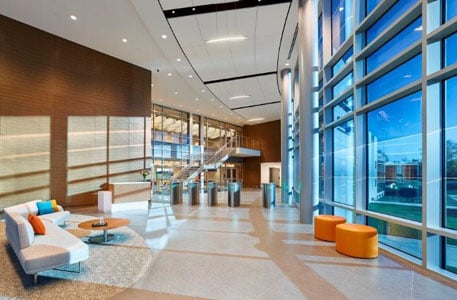
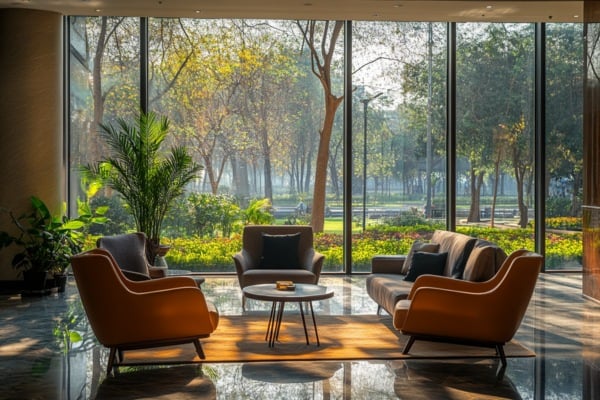
Glass enables interiors to be flooded with daylight, which is central to the ultra-modern ethos of transparency, openness and connection with nature. Large floor-to-ceiling glazing, glass walls and wide windows make interiors feel more generous, reduce the reliance on artificial lighting, and tie the space to the outdoors.
2. Versatility
Glass is incredibly versatile in form, finish and function—making it ideal for ultra-modern homes where surfaces often blur boundaries between inside and out, partitions and volumes, structure and skin.
3. Energy-efficiency
In ultra-modern homes, glass no longer means compromise on thermal performance. Today's advanced glazing solutions, such as solar control or low-e glass, enhance performance by optimising natural lighting while reducing heat transfer and glare. This minimises reliance on artificial cooling/heating and lighting, reducing energy consumption and costs.
4. Aesthetics
Glass lends ultra-modern homes a clean, minimalist, and elegant aesthetic. Whether it's the generous glazing of exterior facade or different finishes—clear, tinted, textured, mirrored—glass accents merge with any design aesthetic or style.
Also read Understanding the Importance of High Performance Glass in Homes
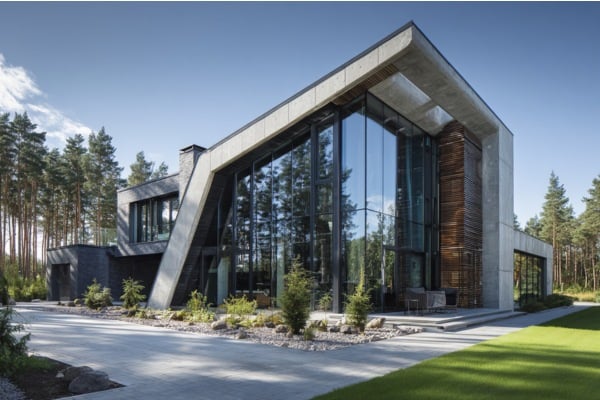
Glazed Facades for an Ultra-modern and Sustainable Look
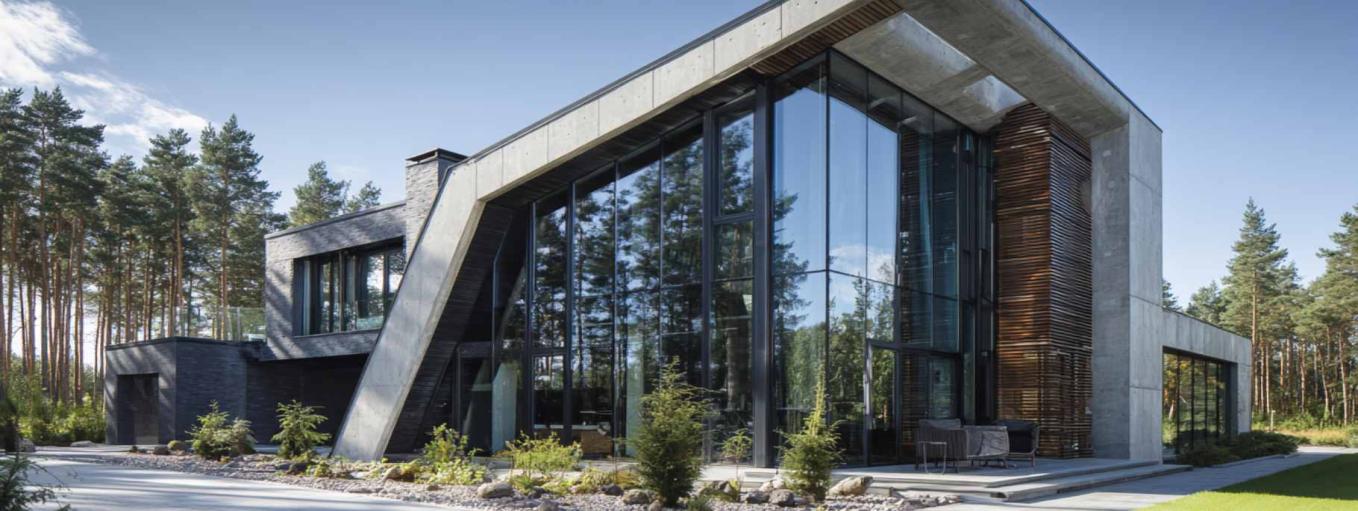
Ultra-modern homes often employ flat roof profiles, exposed concrete or steel structure and glazed facades to dissolve the boundary between interiors and exteriors.
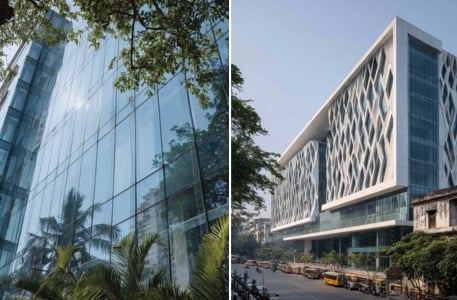
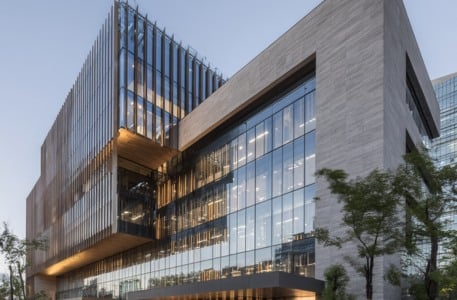
For extensive facade glazing, choose high-performance solar-control glass, low-e glass, or double-glazed units that optimise natural light and regulate indoor temperature while minimising heat gain in summer and heat loss in winter. These properties make glass an essential element in sustainable design, lowering energy consumption and reducing the carbon footprint.
Integrate floor slab overhangs, horizontal fins or louvred shading panels to soften harsh glare while still allowing visual connection.
Also read An Architect’s Guide to the 5 Best Building Glass Facades
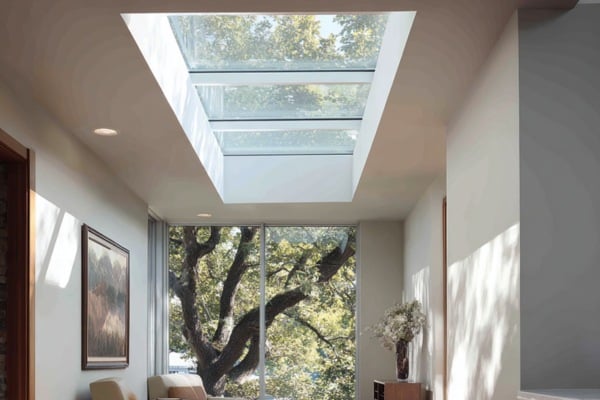
Light Wells for a Passive Lighting Solution
Light wells have become a desired feature in ultra-modern homes, introducing daylight into spaces. These vertical shafts channel soft, natural light deep into the interiors, transforming staircases, corridors, and inner lounges into luminous, inviting and energy-efficient zones.
Choose frosted or textured glass to create a beautifully diffused glow that reduces harsh glare while maintaining privacy.
In modern homes, light wells act as passive lighting solutions, allowing designers to maintain brightness without overheating interiors.
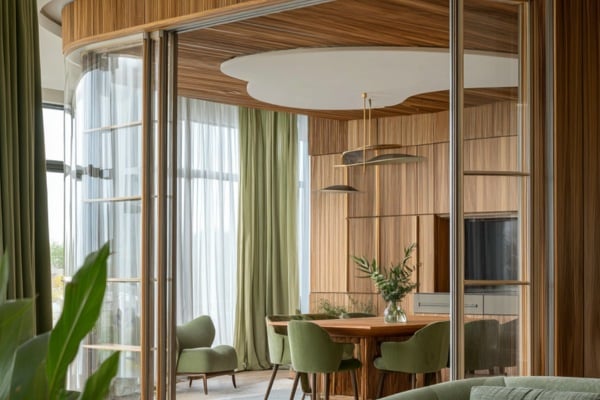
Toughened Laminated Glass for Seeking Privacy and Acoustics
Curved glass is a statement of architectural fluidity, introducing gentle spatial divisions without interrupting light or visual flow.
Take, for instance, the elegant use of a curved glass enclosure to define a meditation zone, an entertainment space or a WFH corner within a larger living space. The curve softens boundaries, adds sophistication, and creates a sense of movement that complements contemporary interiors.
For added functionality and safety, opt for toughened laminated glass to achieve privacy and sound insulation.
Also read Toughened Laminated Glass Shopfronts: The Perfect Blend of Style and Function
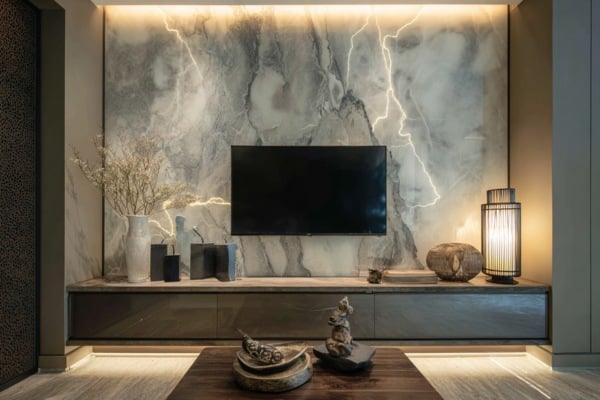
Digitally Printed Glass for Customised Feature Walls
In ultra-modern interiors, material richness often lies in texture rather than ornament. Digital printing on glass unlocks a new level of customisation and design identity for those seeking bespoke elements in homes.
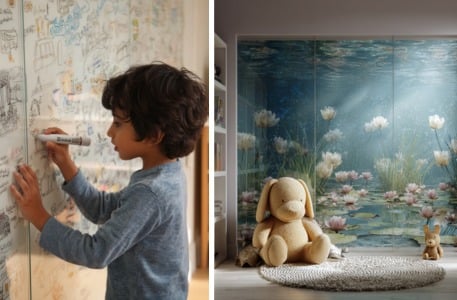
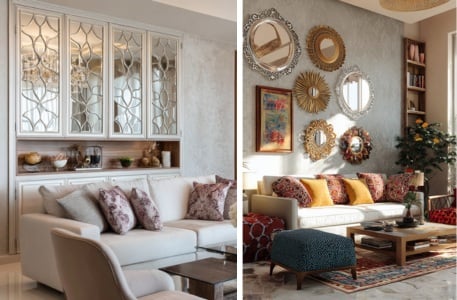
Use UV-printed glass panels behind a TV unit, in a feature wall in the living room, or as wardrobe shutter fronts—bringing in artwork, photography, gradients or abstract textures. SGG Colormaxx Canvas, digitally printed glass ensures high resolution, durability and customisation.
Complement printed glass with LED back-lighting or edge-lit acrylic profiles to enhance depth and highlight the graphic.
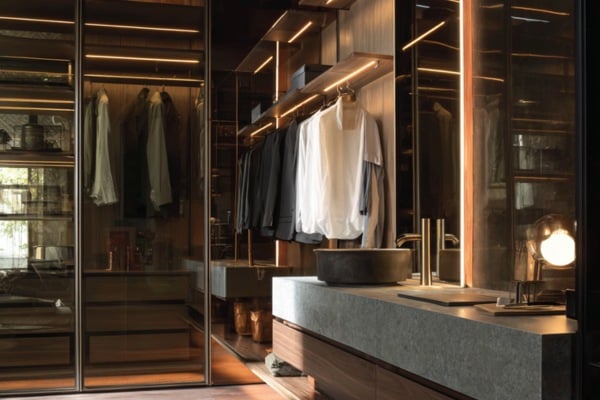
Tinted Glass Wardrobe Shutters for a Contemporary Ultra-Modern Look
Subtlety and refinement are key in ultra-modern homes, and tinted glass brings a quiet sophistication that balances light, colour, and privacy. It acts as a functional design layer—filtering brightness, softening reflections, and creating a mood that evolves with the time of day.
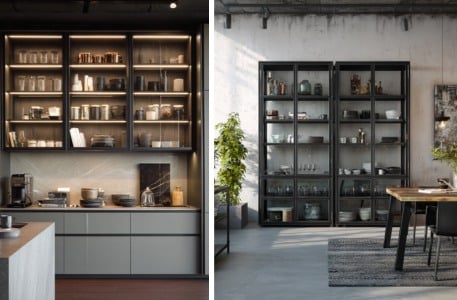
Designers favour the use of tinted glass to craft wardrobe shutters, TV unit backdrops, and display niches, where its subtle sheen complements metal finishes and textured surfaces. The interplay of warm bronze or cool grey tints adds depth without overwhelming minimalist spaces. Explore elegant SGG Tinted Glass for an effortlessly modern look.
Also read Tinted Glass for Home Interiors
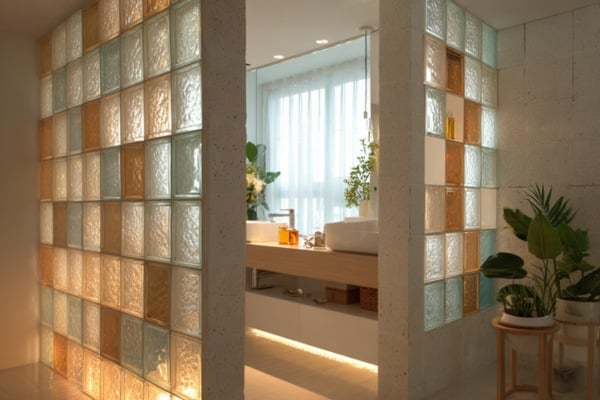
Glass Bricks Bring Texture and Subtle Light into the Space
Geometry, texture, and light characterise modern interiors that feel both expressive and refined. Glass bricks perfectly embody this balance — transforming plain partitions into luminous, architectural accents.
When arranged in gridded or curved compositions, glass bricks introduce rhythm and depth. Choose clear, tinted or frosted glass solutions for panels, ensuring uniform diffusion and a sense of light continuity.
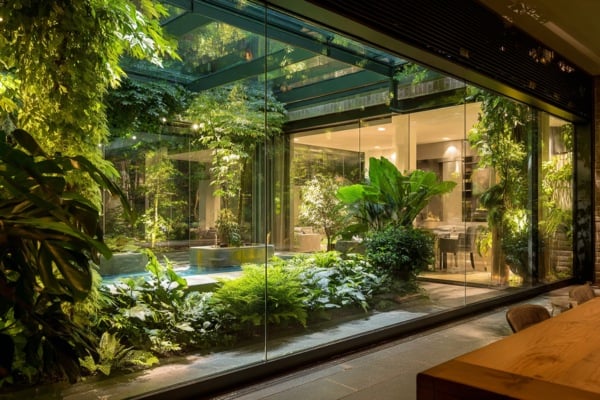
Glass Walls for a Seamless Indoor-Outdoor Connection
One of the most desirable features in contemporary residences today is the indoor-outdoor crossover, especially for biophilic living and sustainable environments. Here, glass becomes the enclosure, the frame with operable glazing and sliding panels.
Integrate tinted or solar-control glass on facades facing west/south to reduce overheating and ensure thermal comfort.
Glass is a material for expressing transparency, connection, precision and performance. Architects and designers are leveraging the full spectrum of glass solutions—from high-performance glazing units to tinted or digitally printed glass—to craft spaces that are comfortable and future-ready.
Why is glass an essential material in ultra-modern home design?
Glass enhances natural light, maximises openness, and creates seamless connections between spaces—core elements of modern homes. With performance glass options like low-e and solar-control glass, modern homes can achieve both aesthetics and energy efficiency.
Are glass bricks suitable for modern bathrooms?
Yes. Glass bricks provide privacy, diffuse natural light, and add texture—ideal for shower enclosures, vanity backdrops, and partitions. Their translucent quality fits new-age aesthetics while enhancing depth and glow.
What is the advantage of using tinted glass in contemporary interiors?
Tinted glass offers subtle privacy, reduces glare, and adds soft colour tonality to wardrobes, partitions, and TV units. Bronze or grey tint options work well with minimalist palettes in progressive homes. Explore Saint-Gobain's range of tinted glass for adding a refined look to home interiors.
Can digitally printed glass be used for functional areas like kitchens or bathrooms?
Yes, digitally glass panels are heat-resistant, moisture-proof, easy to clean, and highly customizable. SGG Colormaxx Canvas, digitally printed glass is suitable for kitchen backsplashes, shower walls, wardrobes, and feature walls.
Jahanavi Arora is an architect by profession and a writer by choice, with over 7 years of experience in architecture and design writing. She graduated from Chandigarh and believes that writing and architecture are similar as both are forms of art. Read More