We all want our homes to feel relaxing and put together, but sometimes, even with the best intentions, little design choices can throw things off. Maybe the colours don’t quite blend, or there’s just too much going on. The truth is, comfort comes from balance, spaces that breathe and feel easy to live in. Whether you’re planning a makeover or just refreshing your interiors, understanding what not to do can be just as helpful as knowing what works.
Here are nine common interior design mistakes that can make your home feel less inviting, and simple ways to fix them for a space that feels effortlessly stylish and comfortable.
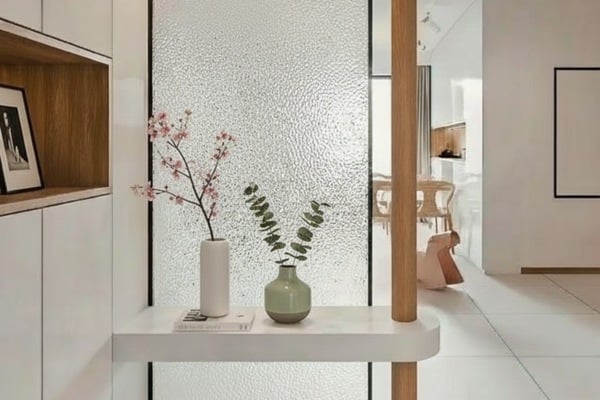
Frosted glass partitions help define areas while maintaining a bright, spacious look
Open layouts create a sense of connection, but without clear zones they can sometimes feel a bit too exposed. Frosted glass partitions are a smart way to bring back a little privacy without closing off the space. They let in natural light, soften the view between areas like the kitchen and living room, and add a clean, modern touch to your home interior design. The result is a home that feels both open and comfortably private.
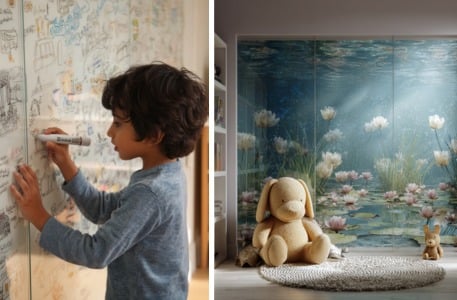
While soft, neutral tones create a calm and timeless look, using them everywhere can make a space feel flat or uninspired. Adding layers of colour, texture, and material contrast is what brings personality to your interiors. A pop of muted blue, a textured rug, or a warm wood finish can instantly lift the mood of a room.
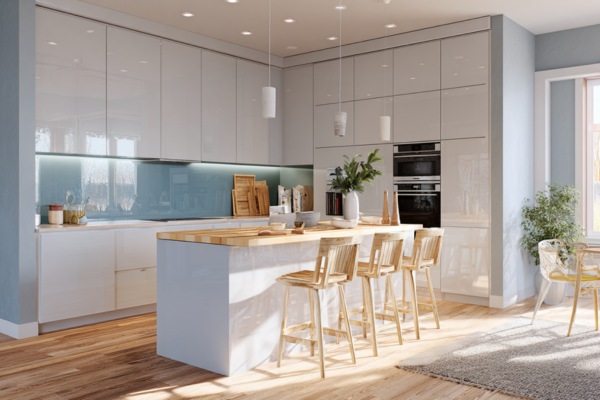
A pastel lacquered glass backsplash adds a soft pop of color while keeping the kitchen sleek and easy to maintain
Glass can play a big role here too. Try using lacquered glass in kitchen backsplashes or wall panels. It reflects light beautifully, adds shine and depth, and introduces subtle visual interest without making the space feel busy. Frosted or reeded glass also pairs especially well with soft palettes, keeping the look elegant while adding a hint of dimension and modern charm.
Also read 5 Reasons Why Lacquered Glass is the Best Fit for Home Decor
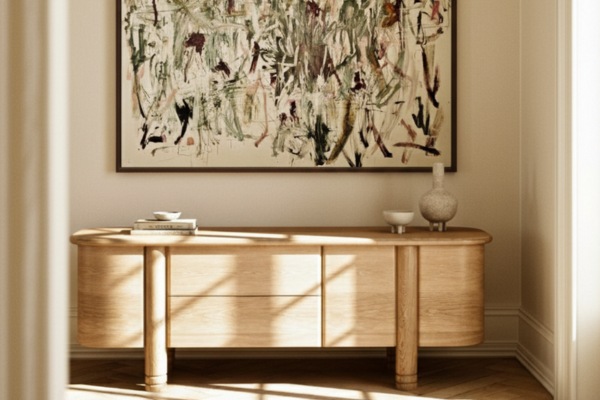
Create balance by adding a large piece of art as a focal point
When a room doesn’t have a clear focal point, everything starts to compete for attention. A focal point helps the eye settle, grounds the design and brings a sense of order.
Start by identifying what naturally stands out in the room. It could be a statement wall, a large piece of art, or even a beautiful window that naturally draws light and focus into the space. If the space lacks an obvious feature, add one—such as a bold artwork, a mirror panel, or a glass accent wall to give the room a strong visual anchor.
Once that anchor is in place, the rest of the décor can quietly complement it instead of fighting for notice.
Mirrors and reflective surfaces can completely change how a space feels, but they’re often overlooked. Poor placement or the absence of mirrors can make rooms appear smaller and dimmer than they are.
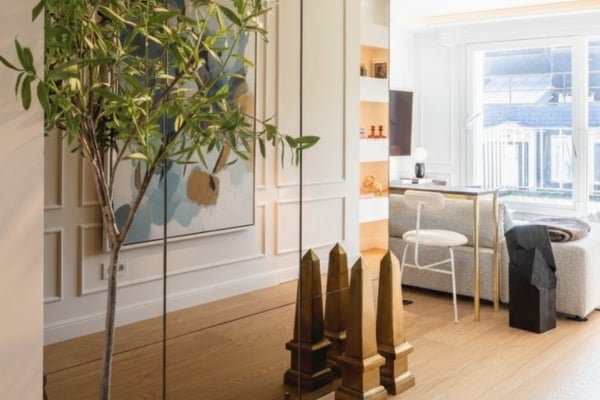
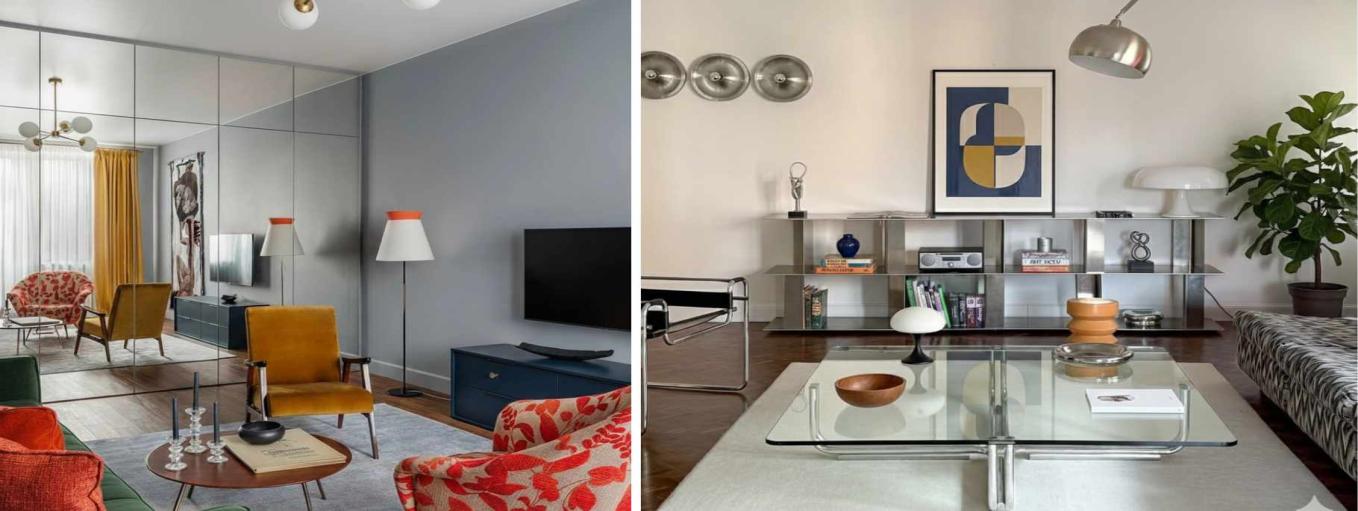
Mirrored walls in hallways make the space feel brighter and wider
Instead, use mirrors strategically by placing them opposite a window to double the natural light, behind a lamp to amplify its glow, or along a narrow corridor to create a sense of openness. The result is a home that feels lighter, brighter, and instantly more welcoming.
Also read Best Decorative Wall Mirrors to add a Flair to your Room
When it comes to interiors, more isn’t always better. Filling a room with oversized furniture or too many decorative items can quickly make it feel cramped and overwhelming. Minimalism isn’t about having less, it’s about allowing every piece to breathe and serve a purpose. A clutter-free space naturally feels calmer, lighter, and more functional.
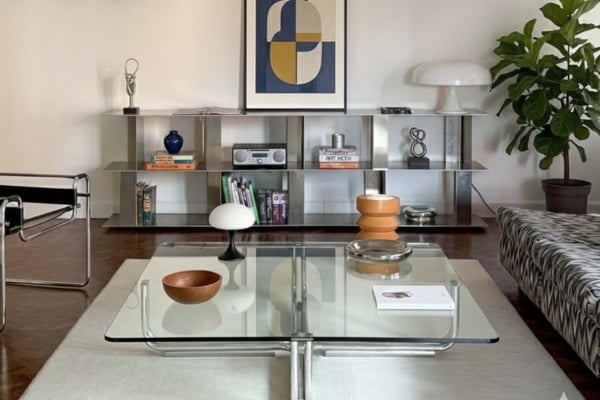
Transparent surfaces like glass tables help maintain visual flow, making even rooms feel spacious
Glass elements can help you achieve this balance beautifully. They give the illusion of more space without sacrificing style or utility. Whether it’s a streamlined glass coffee table or floating toughened glass shelves, these subtle additions make your interiors feel airy, spacious, and effortlessly elegant.
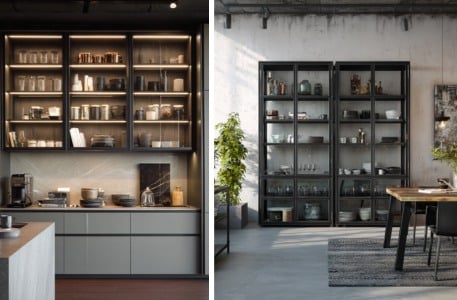
Even the most beautifully designed home can feel chaotic when clutter starts to pile up. Smart storage is key to keeping your space both functional and peaceful. Think of creative solutions, like hidden drawers under furniture, built-in wall units, or multifunctional pieces that double as storage.
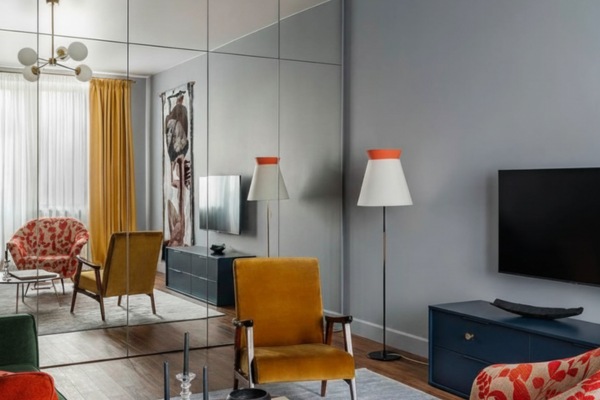
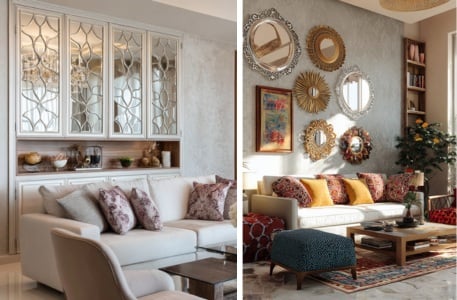
Perfect for smaller rooms, mirrored built-in wall units double up as storage
To keep things visually light, choose mirrored shutters. They reflect light, blend seamlessly with the surroundings, and make bulky storage units almost disappear. This way, you maintain a clean, open look without compromising on practicality. For added peace of mind, opt for SGG Mirasafe, a specially designed safety mirror from Saint-Gobain that combines style with strength.
Also read SGG Mirasafe: The Best Safety Mirror for Your Home and Business
Relying on a single ceiling light can make even the most beautiful room feel flat and lifeless. Good lighting is all about layering, combining different sources to add warmth, depth, and flexibility. Pair overhead lighting with wall sconces, floor lamps, and subtle accent lights to create a cosy atmosphere that adapts to your mood.
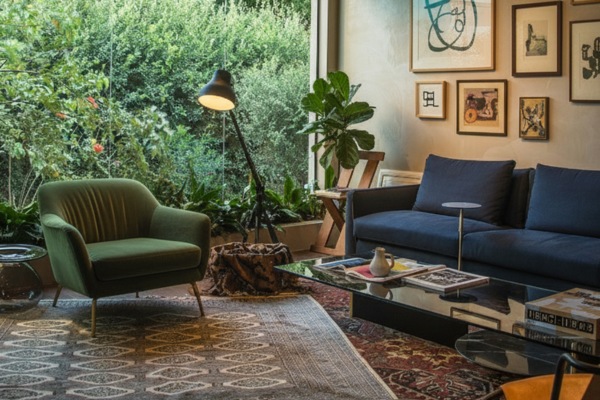
Track lighting highlights key décor elements, while floor lamps bring a soft, cosy glow.
For a touch of elegance, consider fixtures with translucent or frosted glass. They soften harsh light, reduce glare, and help spread a gentle glow across the room, making your space feel brighter, more inviting, and well-balanced.
Also read An Ultimate Guide To Choosing Between Clear, Frosted And Etched Glass
A home without a touch of green can often feel dull and lifeless. Plants bring warmth, freshness, and a natural sense of balance to any space. Even a few potted plants on a shelf or some hanging greens by the window can make a big difference.
For smaller homes, think smart, like using glass terrariums or window-mounted pots to add greenery without cluttering surfaces. If you’re just starting out, try easy-care plants like pothos, snake plants, or peace lilies; they thrive indoors with minimal effort.
For a touch of colour and texture, add succulents, spider plants, or trailing ivy near well-lit corners. These little bursts of green instantly make your home feel more alive and welcoming.
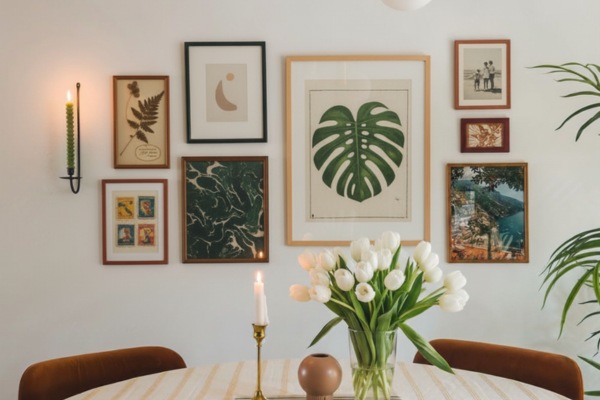
Curate walls with pieces that speak to you, from travel finds to handmade creations
Filling your walls with mass-produced prints or random art pieces might make your home look decorated, but it often lacks warmth and meaning. Art should tell a story, whether it’s a travel memory, a handmade piece, or something that reflects your personality.
Designing a comfortable home isn’t about following trends; it’s about creating spaces that reflect your personality and make you feel at ease. By avoiding these common interior design mistakes, you can build a home that’s not only beautiful but also functional, balanced, and full of life.
Whether through colour, light, texture, or a touch of glass detailing, every design choice you make should enhance comfort and flow. With a bit of intention and creativity, your home can become your true reflection—stylish, inviting, and harmonious.
What are the most common interior design mistakes homeowners make?
Some of the most common design mistakes include poor lighting, overcrowded spaces, mismatched colour palettes, and a lack of storage. Ignoring privacy, reflection, or greenery can also make interiors feel less comfortable.
How can I make my home interior more comfortable and inviting?
Focus on balance, use a cohesive colour palette, mix textures, layer lighting, and let your furniture and decor breathe. Adding mirrors, glass partitions, and indoor plants can also enhance comfort and flow.
Why is choosing the right colour palette important in interior design?
A well-defined colour palette creates visual harmony and balance. Avoid many contrasting shades, as they can make a room feel cluttered. Instead, a thoughtful mix of two or three main tones helps tie the space together beautifully.
How does glass improve the look and feel of home interiors?
Glass enhances natural light, adds depth, and makes rooms appear larger and more open. Clear, frosted, etched or lacquered glass can introduce texture, privacy, and colour without overwhelming the space.
Shivanie Khanka is a passionate and versatile architect with a flair for writing, design, and photography Read More