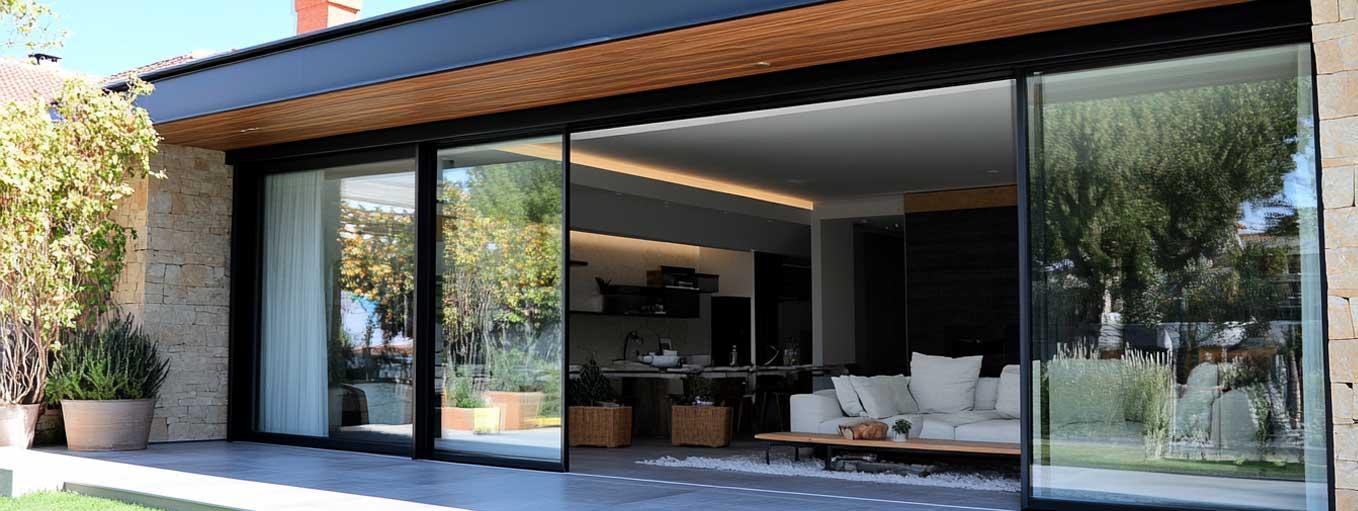
In contemporary architecture, selecting the right type of doors and windows is more than a style choice; it influences comfort, efficiency, and longevity. Among various choices available, uPVC (unplasticised polyvinyl chloride) doors and windows have gained widespread popularity for their durability, energy efficiency, and aesthetic versatility. Their resistance to moisture, extreme weather conditions, and UV rays ensures longevity with minimal maintenance, making them a preferred choice for residential and commercial properties.
Beyond their robust nature, uPVC windows offer excellent thermal insulation, reducing heat loss in winter and keeping interiors cool during summer, leading to significant energy savings. Their streamlined and modern designs can effortlessly enhance the overall appearance of any space.
However, the key factor that determines their overall performance is the type of glass used. From energy efficiency to safety and sound insulation, the choice of glass plays a pivotal role.
So, which type of glass is best for uPVC doors and windows? Let’s explore below!
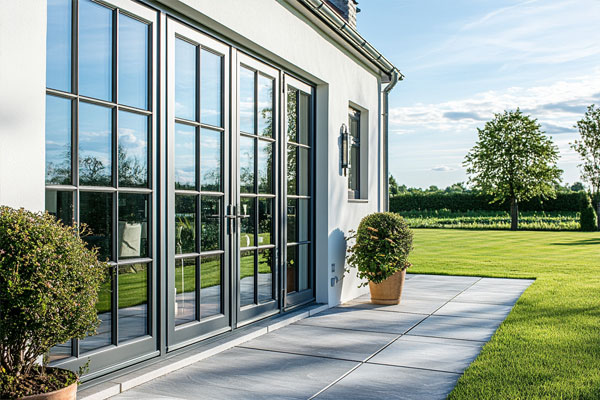
High-performance Glass Solutions for uPVC Doors and Windows
Selecting the right type of glass for uPVC doors and windows is crucial for elevating both functionality and design, ensuring a smart investment for contemporary living spaces.
Incorporating high-performance glass solutions, such as solar control glass or Low-E (low emissivity) glass, helps minimise heat transfer, maintain optimal indoor temperatures, and reduce reliance on mechanical systems. This leads to significant energy savings and lower electricity bills.
Safety is a top priority in building design. Any glass type can be toughened to enhance security. Toughened glass, also known as safety glass, is engineered to withstand impact and resistance, minimising the risk of injury and further damage. For additional safety, toughened laminated glass is a great way to secure your building envelope.
For buildings in noisy environments, laminated glass or double-glazed windows offer superior sound insulation, reducing external disturbances and creating a quieter, more comfortable indoor atmosphere.
The choice of glass significantly influences the amount of natural light entering the building and the visual appeal of the space. Options like solar control glass allow ample amount of natural light to pass through while keeping solar heat ingress at bay.
Some variants also offer visual privacy thanks to the reflective coating. For decorative features, etched glass or tinted glass introduce unique design elements while balancing light diffusion and privacy, making them ideal for modern interiors.
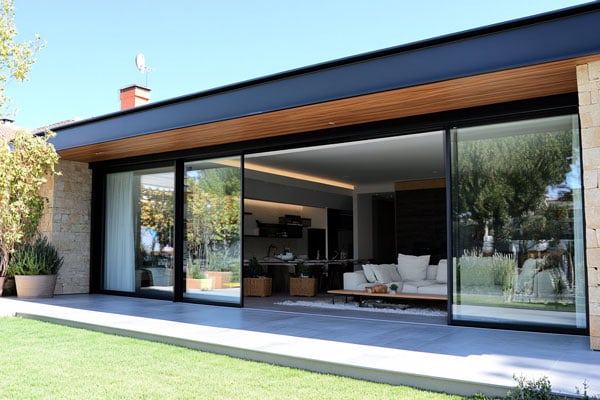
Toughened Glass Sliding uPVC Doors
Tempered glass undergoes specialised heat treatment, enhancing its strength and durability to withstand external forces such as strong winds, hail, and accidental impacts. In the rare event of breakage, it shatters into small, blunt fragments, reducing the risk of injury—making it an ideal choice for large uPVC window installations in both residential and commercial spaces. Read more here.
Engineered for superior safety, laminated glass consists of two or more glass layers bonded with a tough polymeric interlayer like Polyvinyl Butyral (PVB). In the event of breakage, the interlayer holds the shards together, preventing injuries and reinforcing security. The laminated glass acts as a strong deterrent against break-ins, making it an ideal solution for spaces where security is a priority.
The insulated glass features two glass panes separated by an insulating air or gas-filled space. This glass solution provides exceptional thermal insulation, reducing heat transfer and keeping interiors comfortable year-round. Widely used in residential homes, office complexes, and industrial buildings, double-glazed uPVC windows also offer superior soundproofing, creating a peaceful indoor environment.
For those looking to boost energy efficiency, Low-E glass is an excellent solution. It features a nearly invisible metallic or metal oxide coating that reflects heat while allowing natural light to pass through. This advanced glass solution helps maintain a stable indoor temperature, reducing reliance on artificial heating and cooling.
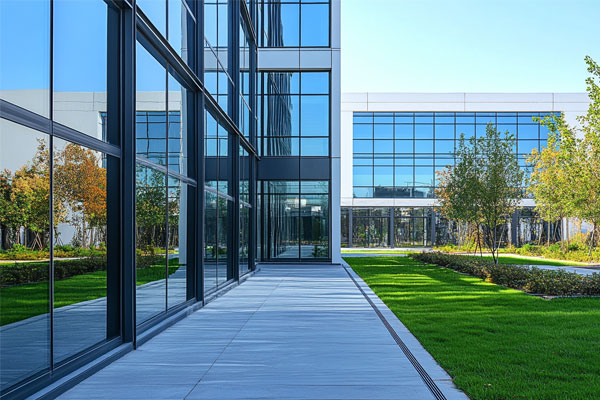
Tinted Solar Control Glass Facade
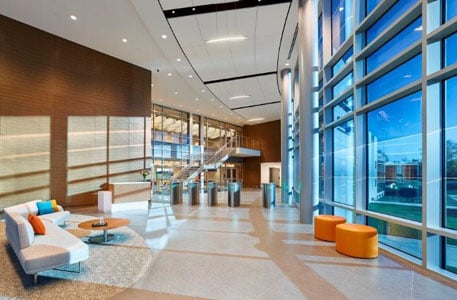
In Indian cities, where high temperatures are a challenge, solar control glass in large uPVC windows, doors, and facades effectively combats heat radiation and glare, enhancing indoor comfort while reducing energy costs and promoting sustainability. Available in various hues and thicknesses, it allows for customisation based on specific needs and design preferences; learn more here.
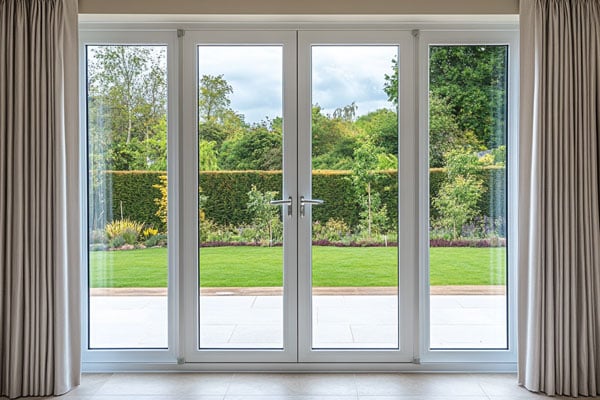
Smart Glass Solutions for Comfortable Living Environment
Selecting the right types of glass for uPVC doors and windows is crucial for optimising functionality and comfort in modern spaces. By choosing glass that aligns with specific needs- be it safety, sound insulation, energy efficiency, or aesthetic appeal- homeowners and designers can significantly enhance performance and the overall experience of their living or working environment.
What is the best glass for uPVC doors and windows?
Toughened glass, also known as safety glass, is engineered to withstand impact and resistance, minimising the risk of injury and further damage. For additional safety, toughened laminated glass is a great way to secure your building envelope and the best for safety, insulation, and noise reduction.
Does double glazing reduce noise?
Yes, double-glazing or insulated glass can significantly reduce noise pollution while keeping interiors comfortable year-round.
What is the difference between laminated and toughened glass?
Both laminated glass and toughened glass are safety glass options, but they serve different purposes.
Toughened (Tempered) Glass: This glass undergoes a heat treatment process to increase its strength. If broken, it shatters into small, blunt pieces, reducing the risk of injury.
Laminated Glass: Made by bonding two or more layers of glass with an interlayer (such as PVB), laminated glass remains intact even when shattered, preventing shards from falling apart. For enhanced security and durability, toughened laminated glass is preferred for reinforcing building envelopes.
Is it possible to customise the glass thickness and appearance?
Yes, glass solutions range from normal float glass to toughened or laminated toughened glass, with varying thicknesses. Additionally, glass can be customised with different shades, opaqueness, transparency, and decorative patterns to match specific aesthetic preferences.
Jahanavi Arora is an architect by profession and a writer by choice, with over 7 years of experience in architecture and design writing. She graduated from Chandigarh and believes that writing and architecture are similar as both are forms of art. Read More