In contemporary architecture and sustainable building practices, insulated glass has become an essential component. Whether the goal is to boost energy efficiency, enhance occupant comfort, or minimize noise pollution, insulated glass proves to be crucial. Often referred to as insulated glazing units (IGUs) or double glazing, this advanced glass solution is rapidly becoming the norm in both residential and commercial projects.
Insulated glass, a technology featuring two or more panes of glass separated by an air gap and sealed around the edges, has revolutionised the use of glass, making it comparable to other solid facade materials.
An American refrigerator engineer's innovation in the 1930s is the basis of what we recognise today as double-glazed or insulated glass. It has since taken the glass industry by storm due to its heightened thermal-insulating, and energy-conserving properties.
The gap in between the glass panes forms the cornerstone of this technology: it can be plain air-filled, or filled with inert gases like argon or krypton for additional insulation. This simple innovation is what reduces heat transfer, improves thermal insulation and enhances energy efficiency in insulated glass.
Since its inception, the uses of insulated glass have grown manifold. You may have noticed retail soft drink chillers use insulated glazing to maintain the internal temperature. From fenestrations to facades and skylights, doors to internal partitions, the widespread use of insulated glass has led to its cemented position in architectural design.
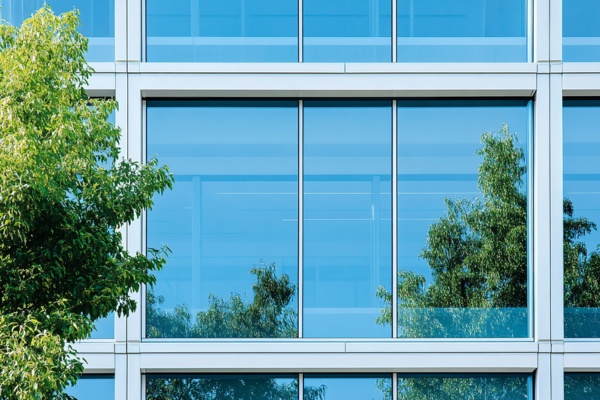
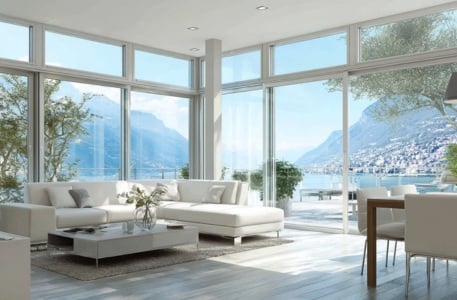
Double glazing has become indispensable in modern building design, particularly for windows. Whether in residential homes, bustling office complexes, or industrial facilities, insulated glass benefits include thermal insulation, reduced energy costs and enhanced comfort. They are also used for soundproof windows that ensure a quieter environment, shielding occupants from external noise pollution.
Skylights made of insulated glass allow abundant natural light while significantly reducing heat gain and loss. This creates a brighter and more inviting atmosphere while maintaining a stable indoor climate throughout the year, promoting energy efficiency in buildings.
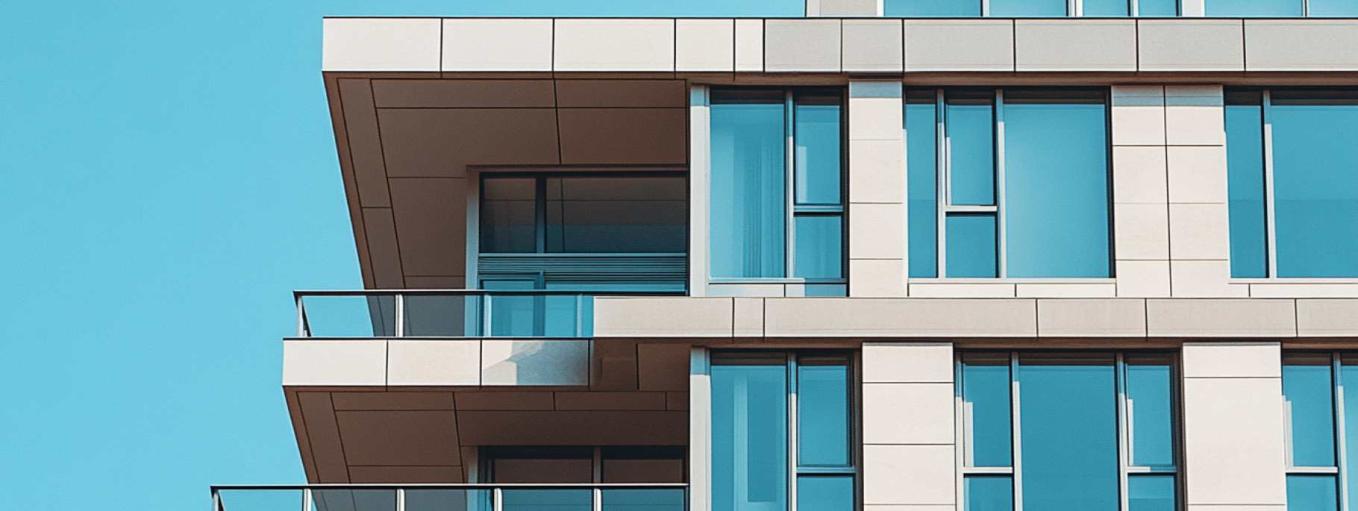
In contemporary architecture, insulated glass curtain walls have become iconic features of skyscrapers and modern structures. In addition to being visually appealing, these facades act as energy-efficient barriers to the outdoors. This considerably reduces reliance on artificial heating and cooling systems while allowing for extensive usage of glass for facades.
From grand entrance doors to practical patio doors, the integration of insulated glass units (IGUs) ensures temperature control. These doors prevent heat transfer and noise infiltration between the exterior and interior spaces within a building.

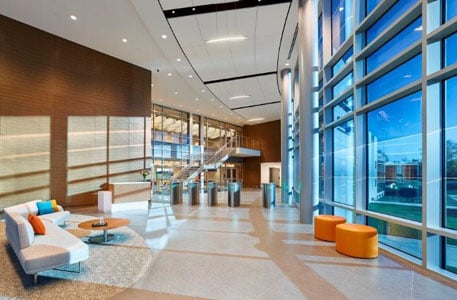
Interior glass partitions featuring double-glazing strike a balance between aesthetics and functionality in office environments and commercial spaces. Here, the major benefit of insulated glass is its acoustic insulation which creates discrete zones, ensuring privacy and minimising distractions, thus optimising productivity and comfort for occupants. Not to forget, heat loss or gain between air-conditioned and other spaces is also minimised with insulated glass partitions.
Insulated glass for facades may be composed of solar control glass or Low-E glass, or a combination of both, leading to enhanced solar as well as thermal insulation. In the case of internal partitions, toughened glass in insulated glass units will help ensure a safe and durable demarcation between spaces.
Insulated glass has long since turned into a vital element in contemporary architecture and interior design. The added benefit of insulated glass is its slender profile compared to solid walls.
Easy installation and replacement make it an even more attractive option in the current scenario of increased emphasis on flexibility in living and workspaces. Given its current widespread use, insulated glass will continue to be an indispensable component of sustainable buildings.
What is an insulated glass unit (IGU)?
An insulated glass unit (IGU) features two or more panes of glass separated by a sealed air space or gas-filled cavity. The combination of multiple layers of glass and air cavity reduces heat transfer and provides thermal insulation while enhancing energy efficiency, thereby saving artificial cooling and heating costs.
What are the advantages of insulated glass units?
The main advantage of insulated glass is that it reduces heat gain and heat loss, keeping the interiors warmer in winter and cooler in summer. This, in turn, lowers energy consumption and cuts down on utility bills. In addition, insulated glass panels help in blocking external noise, therefore improving sound insulation, ensuring acoustic comfort and creating a peaceful environment.
What is insulated glass filled with?
Insulated glass is filled with air or inert gases, such as argon and krypton, reducing heat transfer through glass doors or windows.
What is the best insulating glass?
For the tropical Indian context, where the predominant heat gain is due to solar radiation, one of the panes of an insulated glass unit is ideally advised to be a solar control glass. The second pane, if chosen as Low-e, can effectively also control heat gain through the surface, making this a highly recommended combination.
What is the difference between tempered vs insulated glass?
Insulated glass units (IGUs) consist of two or more panes of glass separated by a sealed air space or gas-filled cavity that enhances thermal insulation and energy efficiency. Meanwhile, tempered glass is a safety glass that is heat-treated to boost strength and durability, making it highly resistant to impact and breakage.
What is the difference between annealed vs insulated glass?
Annealed glass is a standard, untreated glass that can be used in low-risk areas, while insulated glass is a multi-pane unit comprising two or more panes of treated or untreated glass to improve thermal and acoustic insulation.