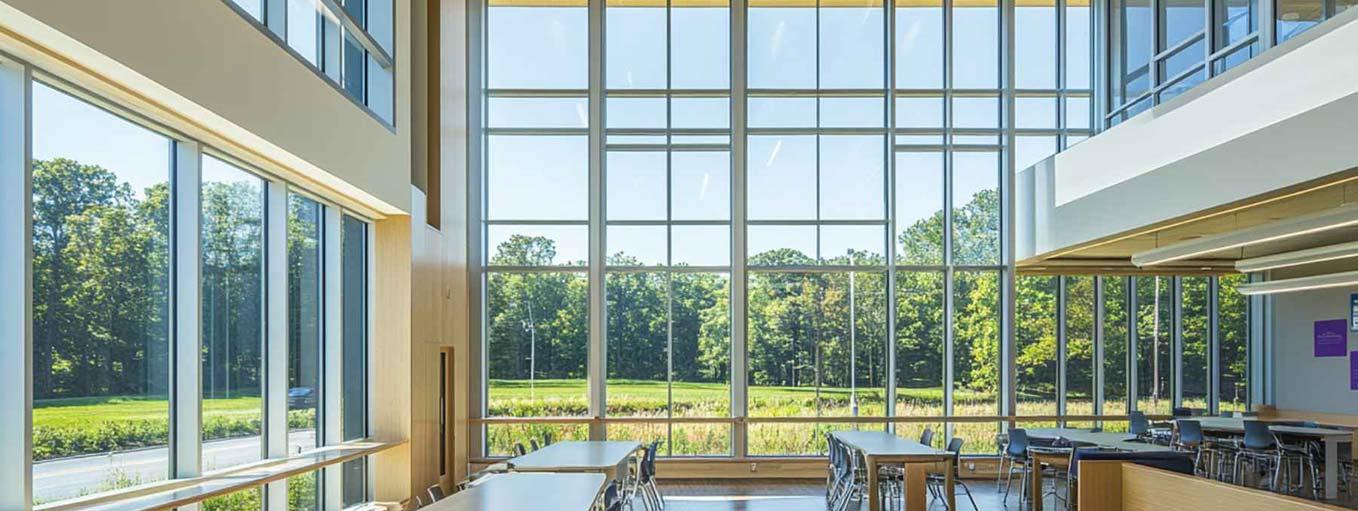
Low-E glass is revolutionising modern construction by combining aesthetics with functionality. This innovative glass features a nearly invisible metallic coating that acts as a thermal shield— bouncing heat back inside during winter and keeping it out during summer. The result? Energy-efficient buildings. No wonder architects and homeowners alike are making Low-E glass their top choice!
But how exactly does it work? Why should you consider it for your home or office? And what are the advantages of Low-E glass?
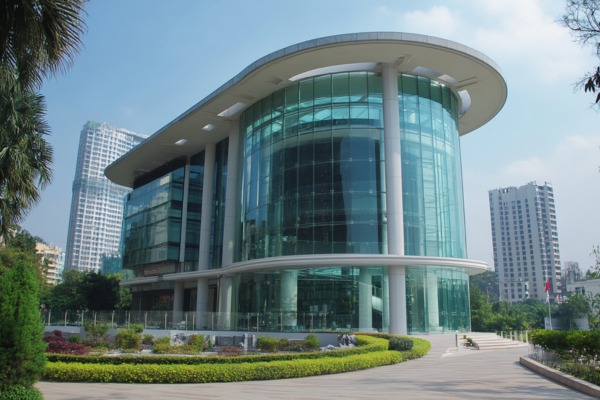
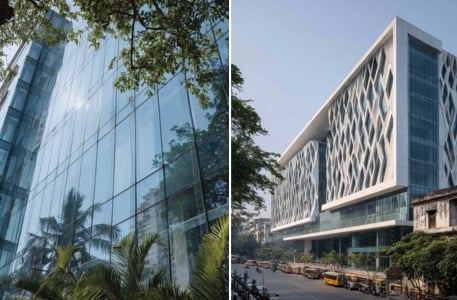
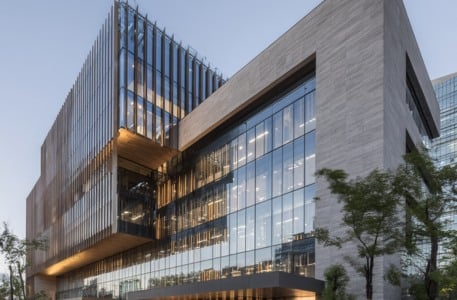
Low-E Glass Facade Reflects Heat and Ensures Thermal Comfort in Interiors
Low-E (low emissivity) glass is a high-performance glazing solution for enhancing the energy-efficiency of windows/facades. Low-E (low-emissivity) glass features an almost invisible metal or metal oxide layer deposited on the surface of windows or skylights. This advanced coating maintains a stable indoor temperature, slashing energy costs and the need for artificial heating and cooling.
Also Read Why You Need Solar Control Glass for Indian Buildings
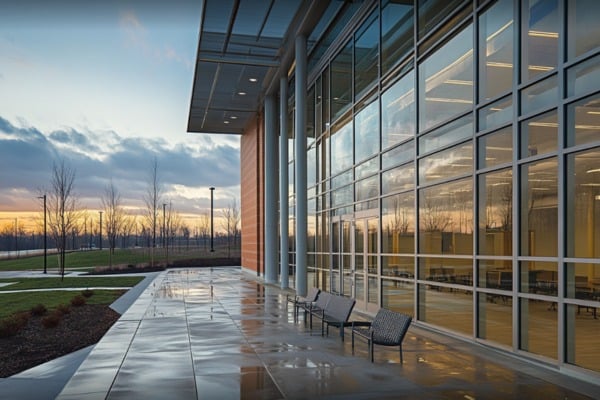
Low-E Glass Reduces Glare and Enhances Energy-Efficiency
Low-E glass significantly improves energy-efficiency by reducing heat transfer, making buildings more thermally stable. It minimises the need for air-conditioning in summer by preventing excessive heat gain and retains indoor warmth during winter, thereby lowering heating costs.
This makes it an excellent choice for energy-efficient homes, commercial buildings with large glass facades, and LEED-certified projects.
Beyond energy-efficiency, Low-E glass provides UV protection, blocking harmful ultraviolet rays. This helps prevent fading and deterioration of interior furnishings, flooring, and artwork while safeguarding health risks.
This UV-resistant glass is beneficial for homes with large windows, museums, retail stores, sunrooms, and skylights where natural light is essential but UV damage is a concern.
Another major benefit is enhanced indoor comfort, as Low-E glass maintains stable indoor temperatures by preventing hot and cold spots and reducing condensation on windows. This ensures a consistently comfortable environment, making it ideal for high-rise buildings, extreme climate zones, and office spaces with extensive glass panels.
In addition, reduced glare and optimised natural light are key advantages of this reflective glass. The metal oxide coatings minimise glare while allowing ample daylight to illuminate spaces. Low-E glass is particularly suitable for office environments, residential patio doors, schools, and hospitals where controlled lighting is essential for the productivity and well-being of the occupants.
Lastly, Low-E glass helps in lowering energy bills and supporting environmental sustainability. By reducing reliance on heating and cooling systems, it offers long-term cost savings and contributes to eco-friendly architecture. It plays a crucial role in green building design by cutting down carbon emissions and improving overall energy-efficiency.
Low-E glass can significantly benefit homeowners looking for cost-effective solutions, eco-conscious construction projects, and commercial buildings aiming for sustainability certifications.
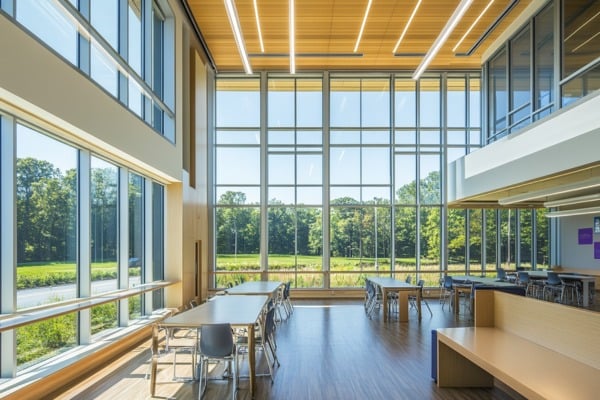
Engineered with a UV-resistant Coating, Low-E Glass Protect Interiors from Fading.
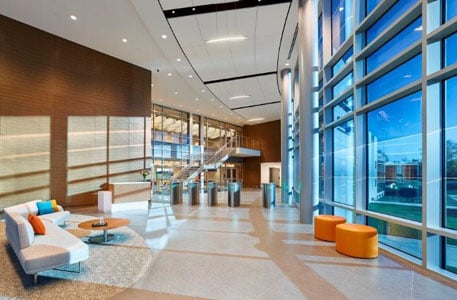
Low-E glazing enhances residential and commercial environments, making them more comfortable and energy-efficient.
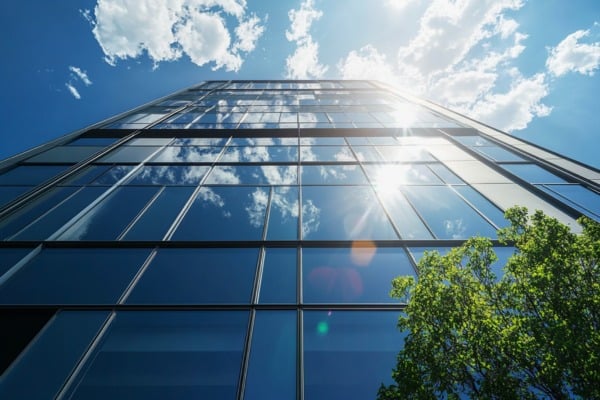
Low-E Glass Balances Aesthetics with Sustainable Performance.
Choosing the right Low-E glass is crucial for optimising thermal performance, energy-efficiency, and aesthetics. Saint-Gobain offers a premium range of Low-E glass products to meet diverse architectural needs, each designed to provide superior thermal insulation, unobstructed views and bright interiors.
How does Low-E glass work?
Low-E glass has an invisible metallic oxide coating that reflects heat and UV rays while allowing light in, maintaining a pleasant indoor temperature and saving energy costs.
Is Low-E glass good for commercial buildings?
Yes, It improves energy efficiency, reduces glare, and lowers cooling costs, making it suitable for commercial offices, restaurants and malls.
What is the difference between Low-e glass and solar control glass?
Low-E Glass is primarily designed to reduce heat transfer, keeping interiors warmer in winter and cooler in summer by reflecting infrared heat. It is best suited for cold and mixed climates where heat retention is important while allowing ample light.
Solar Control Glass is designed to limit the amount of solar radiation entering a building, reducing overheating and glare. It is more effective in hot and tropical climates, like India, where reducing heat gain is a priority.
Jahanavi Arora is an architect by profession and a writer by choice, with over 7 years of experience in architecture and design writing. She graduated from Chandigarh and believes that writing and architecture are similar as both are forms of art. Read More