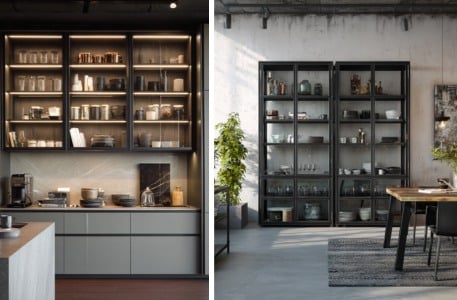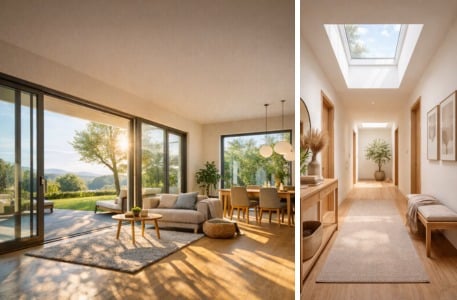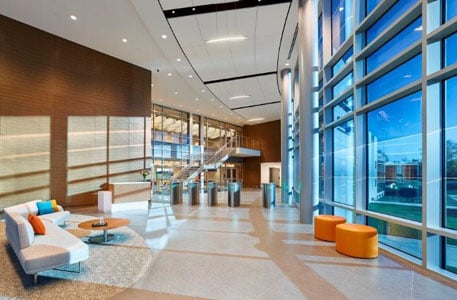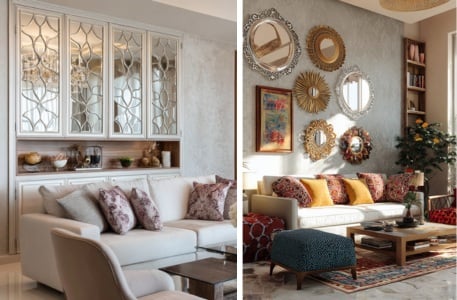
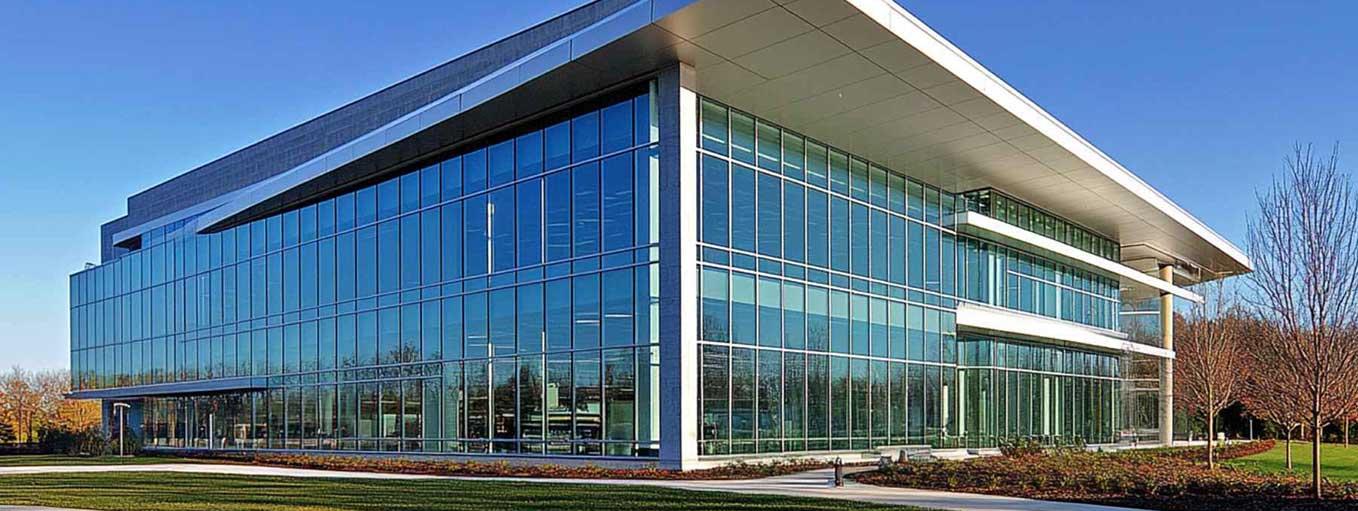
Architectural glass is a specialised type of glass used extensively in modern construction for both exterior and interior applications. No longer limited to just traditional windows and doors, it plays a crucial role in shaping facades, skylights, partitions, and structural elements, seamlessly blending functionality with aesthetics.
Over the years, glass has evolved from being a delicate material for decoration to a high-performance building component. Innovations in manufacturing techniques, such as tempering and laminating, have significantly improved its strength and safety, making it a preferred choice for contemporary architecture.
Additionally, its ability to provide thermal insulation and soundproofing, all while maintaining a seamless connection with the exterior spaces, enhances indoor comfort and wellbeing while improving energy-efficiency.
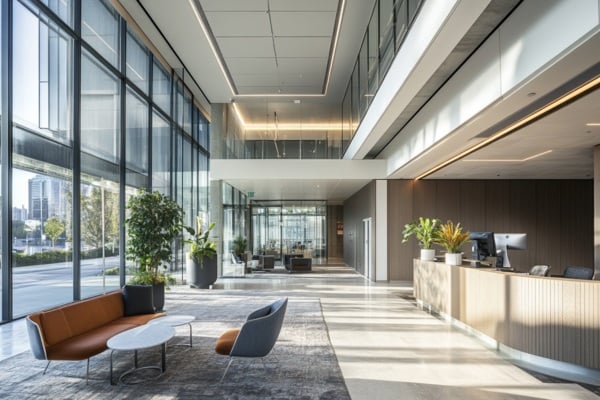
Advanced glazing solutions like Low-E or solar control glass further enhance its performance by optimising natural lighting while reducing heat transfer and glare. These properties make architectural glass an essential element in sustainable design, contributing to energy-efficient buildings with a modern, elegant aesthetic.
Let’s explore the various dimensions of architectural glass—how it shapes the built environment, inspires designers to push creative boundaries, and continues to redefine the future of modern construction.
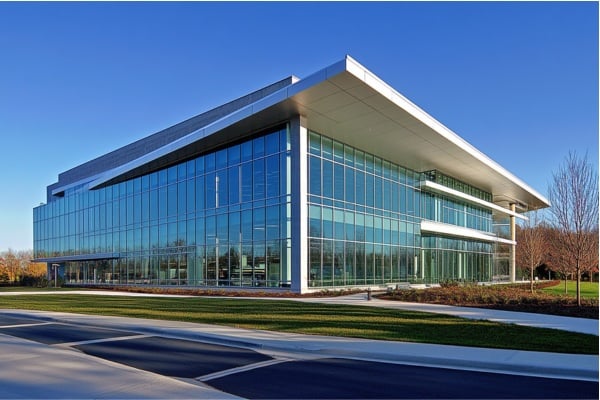
Architectural glass refers to high-performance glass specifically designed for use in buildings to meet practical and aesthetic needs. Ordinary glass provides basic transparency but is insufficient for safety or leads to excessive heat gain, glare, and reliance on mechanical cooling devices.
However, architectural glass is engineered with specialised treatments and coatings to enhance durability, optimise natural light penetration while minimising heat absorption and transmission.
This, in turn, enhances thermal performance, strength, visual appeal and occupant comfort. Given the high dependence on artificial cooling in the tropical Indian context, architectural glass further becomes a necessity.
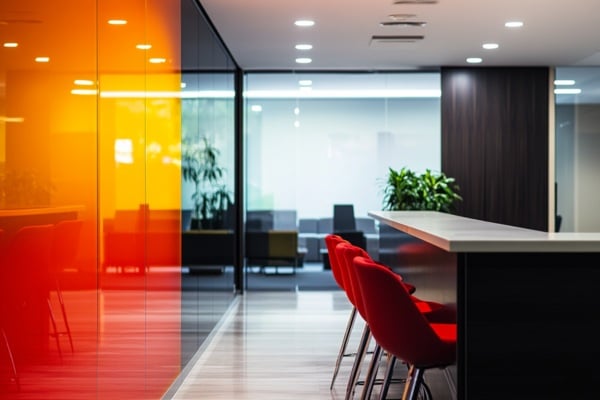
Architects prefer glass because it accentuates a building’s visual appeal. Glass provides a seamless, modern look and can be used to create transparent, translucent, or reflective surfaces. The use of large architectural glass panels removes visual barriers, creating fluidity between indoor and outdoor spaces.
With innovations like coloured lacquered glass, digitally printed glass, safety glass, and switchable glass, architects can achieve unique and striking designs.
Modern architectural glass is engineered to improve energy-efficiency, making buildings more sustainable. Advanced glazing solutions, such as solar control glass, Low-E glass, and double-glazed units, help regulate indoor temperatures by reducing heat gain in summer and heat loss in winter. This minimises the need for artificial heating and cooling, lowering energy consumption and reducing carbon footprints.
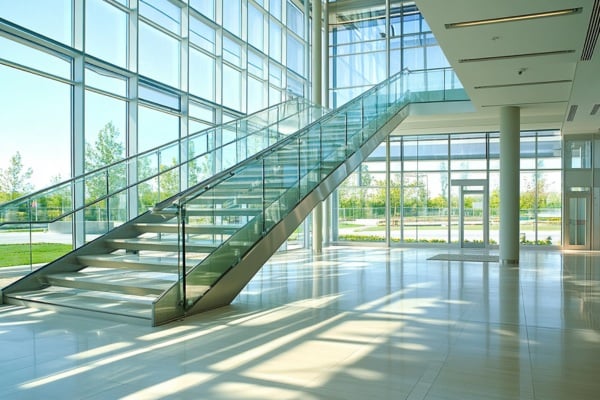
Another key advantage of architectural glass is that it can optimise natural light. By incorporating high-rise safety glass panels, double-glazing units, skylights and curtain walls, designers can craft bright, open, safe and welcoming environments. Whether it’s a residential setting, commercial or retail space, ample daylight enhances occupant comfort and boosts productivity and overall well-being.
Architectural glass undergoes specific treatments to become impact-resistant and shatterproof. Processes like tempering and lamination make the glass remarkably stronger in case of breakage while significantly reducing the risk of injury. Modern building glass is designed to withstand wind forces, storms, and other natural impacts, thereby enhancing durability and longevity.
Also read A Complete Guide About Laminated Glass and The Magic of Tempered Glass - Benefits & Applications
Sound insulation and acoustics are also a big concern for architects when designing residential as well as commercial spaces. In these environments, insulated glass becomes an essential component. Comprising two or more panes of glass separated by an air gap and sealed around the edges, this type of architectural glass reduces noise infiltration between the exterior and interior spaces.
Also read: Experience Quiet Luxury: The Role of Acoustic Glass in Your Home
Before selecting the right type of architectural glass, consider the function, climate, adaptability, and aesthetic needs of the building. From exterior facade glass that optimises light, exposure and glare to interior architectural glass for partitions, balustrades and decorative panels, Saint-Gobain's range of architectural glass solutions provides light transmission, thermal insulation, strength, energy savings and aesthetic appeal.
Why is glass so popular in modern architecture?
Glass is considered one of the most defining elements in modern architecture as it enhances functionality and aesthetics in various ways. From creating open and spacious designs to allowing natural light to flood interior spaces, it also helps reduce heat transmission and glare. The versatility of glass solutions has no bounds, offering endless possibilities for innovative and dynamic designs.
Does architectural glass improve sustainability?
Yes, architectural glass with modern glazing solutions, such as Low-E coatings, double-glazed units, and solar control glass, offer thermal indoor comfort by reducing heat gain in summer and heat loss in winter. This minimizes reliance on mechanical devices, reducing energy consumption and costs. Also read The Ultimate Guide to Low-E Glass: Benefits and Applications
Can architectural glass be soundproof?
Yes, architectural glass undergoes specialized treatments like lamination which consists of two or more glass layers bonded with a PVB interlayer that helps reduce noise transmission while enhancing soundproofing by dampening external noise. Also read Soundproof Glass Vs Regular Glass: All You Need To Know For Peaceful Living
Is glass suitable for high-rise buildings?
Yes, glass has transformed from a delicate decorative element into a high-performance building material. Advances in manufacturing, such as tempering and laminating, have significantly boosted its strength and safety, making it a reliable choice for high-rise buildings and contemporary architectural designs.
Jahanavi Arora is an architect by profession and a writer by choice, with over 7 years of experience in architecture and design writing. She graduated from Chandigarh and believes that writing and architecture are similar as both are forms of art. Read More