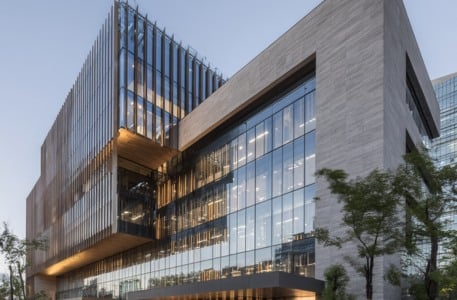
Designing a building needs a holistic approach to maximise the physical, mental, and emotional well-being of the occupants. We spend around a significant portion of our time indoors, therefore the design of enclosed spaces plays an important role in shaping our health outcomes.
As awareness grows around the profound influence that the built environment has on us, sustainable architecture is increasingly being seen as a conduit for delivering the science of well-being. Design strategies rooted in natural light, air quality, acoustic balance, and material choice all contribute to a healthier lifestyle indoors.
Let's explore the critical components of sustainable construction practices that prioritise occupant health and how materials and design strategies can be optimised to create comfortable and healthy spaces.
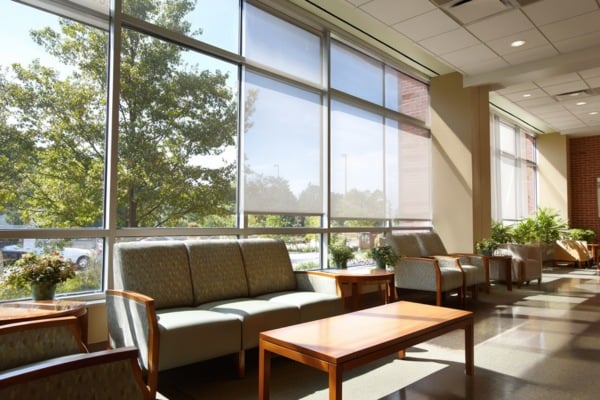
High-Performance Glazing Solutions for Thermal Comfort
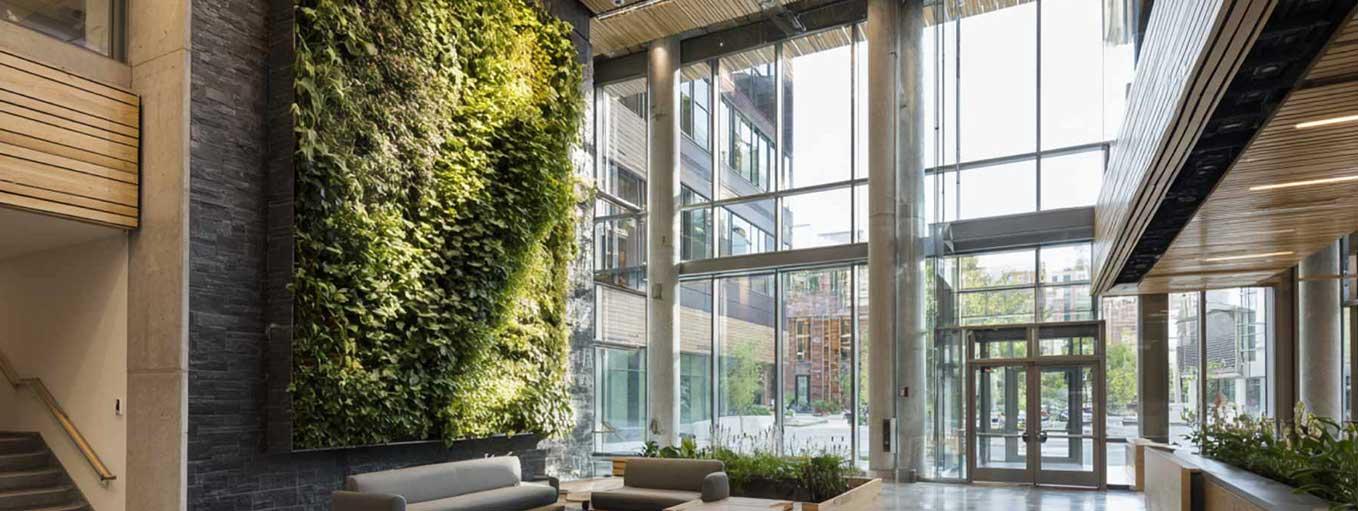
Natural light is a biological necessity, deeply intertwined with our cognitive function, mood, and productivity. To make natural lighting truly effective in tropical climates, architects engage in strategic illumination planning, balancing the ideal combination of natural and artificial lighting based on the building's function.
This involves optimising the orientation of the building to capture the most beneficial light throughout the day and distributing it evenly across the interior while managing glare and heat.
This is where high-performance glazing solutions, such as solar control glass, come into play. These advanced glass solutions allow optimal levels of visible light to enter a space while filtering out excessive solar heat and harmful UV rays, providing thermal comfort throughout the day.
Also Read Why You Need Solar Control Glass for Indian Buildings
Acoustic comfort is one of the most underappreciated yet powerful factors to consider while designing sustainable buildings. In a world where noise pollution is a growing concern, the ability of a space to control and contain sound can make the difference between a peaceful sanctuary and a stressful environment.
Poor acoustic conditions can lead to increased stress levels, reduced concentration, and even adverse health risks. That's why acoustic wall panels, ceilings, and glass solutions, such as laminated glass and double-glazed units (DGUs), are integrated to offer excellent sound insulation by dampening external noise, making interiors quieter and more restful.
Also read Experience Quiet Luxury: The Role of Acoustic Comfort in Your Home
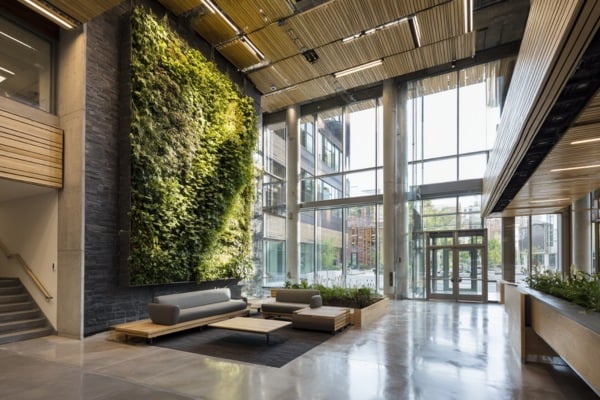
Non-Porous and Sustainable Building Materials for Better Indoor Air Quality
While visual design and spatial planning are the most noticeable elements of architecture, indoor air quality (IAQ) often operates silently in the background, yet plays a crucial role in the health of occupants.
One of the most effective strategies to improve IAQ is the use of low-VOC (volatile organic compound) materials. VOCs are emitted as gases from certain paints, adhesives, sealants, insulations, and even finishes on furniture. Over time, these emissions can degrade indoor air quality and have detrimental effects on both physical and mental health.
The most effective way is to use non-porous, non-toxic, sustainable, and easy-to-clean surfaces for construction. Saint-Gobain's range of low-VOC glass coatings and recommended adhesives significantly reduce airborne pollutants, ensuring cleaner breathing environments in spaces.
Also Read Sustainability Principles, Values and Goals at Saint-Gobain Glass
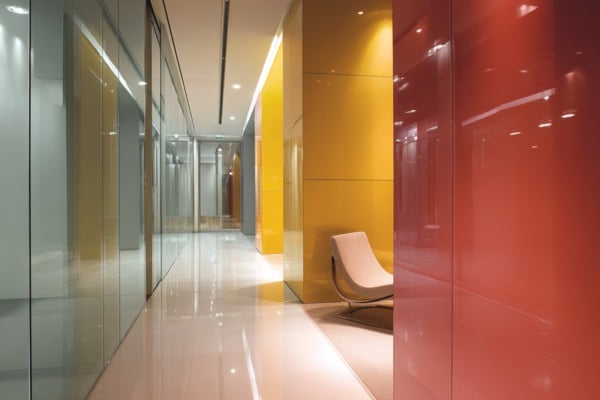
Lacquered Glass Wall Panels for a Smooth, Non-Porous Finish
In sustainable construction, health and hygiene go beyond indoor air quality; they’re also embedded in the surfaces we touch and the materials that surround us.
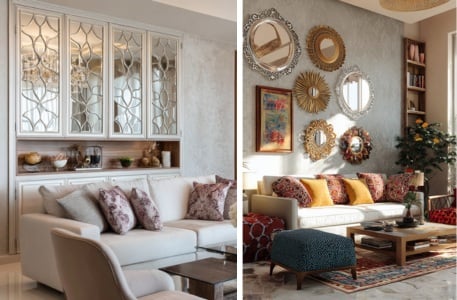
Unlike porous materials that trap particles, streamlined, joint-less materials such as lacquered glass panels and mirror cladding provide a smooth, non-porous finish. These surfaces minimise dust accumulation, making them far easier to maintain and ideal for environments that demand high standards of cleanliness.
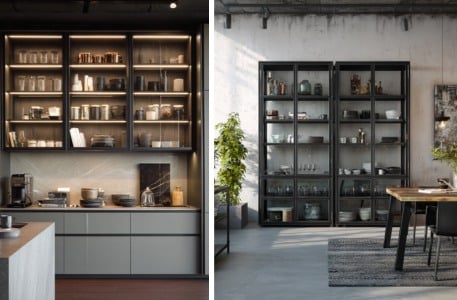
Whether integrated into wall systems, furniture cladding or partitions without visible joints or seams, these materials ensure a healthier and more visually pleasing space. This makes them particularly suitable for hotel lobbies, modern kitchens, and commercial restrooms, where traditional materials may become maintenance-intensive over time.
Also read Lacquered Glass And Its Applications in Interior Design
A space that's too hot in the summer or too cold in the winter doesn't just impact comfort; it can also negatively affect health, performance, and even sleep patterns. Thermal comfort, therefore, is a necessity for occupant well-being and building sustainability.
Sustainable buildings aim to maintain stable indoor temperatures naturally, minimising the need for mechanical systems. This improves comfort and also reduces the building's energy consumption and operational carbon footprint.
High-performance glazing solutions, such as double-glazed, solar-control or Low-E glass, are key components in glass facade design, creating a thermal barrier between the indoors and outdoors while reducing heat gain in the summer and heat loss in the winter.
Together, these measures—optimising daylight and acoustics, incorporating high-performance glazing, hygienic surfaces, thermally adaptive facades, and material insulation — can ensure physical and mental well-being. Every design choice contributes to creating sustainable spaces that are functional, nurturing and restorative.
What is sustainable construction?
Sustainable construction means designing and building structures in an environmentally responsible way while enhancing occupant health and well-being. From the use of energy-efficient materials and eco-friendly technologies to design strategies that promote natural lighting, air quality and thermal comfort without compromising on the needs of future generations.
What is the use of natural lighting in sustainable buildings?
There are multiple benefits of maximizing natural daylight in the architectural design of buildings, such as improving mood, focus, and productivity. When paired with high-performance glazing, natural light creates spacious, visually appealing interiors while reducing glare and controlling heat gain that lowers energy consumption and costs.
What role does acoustic comfort play in sustainable architecture?
Acoustic comfort reduces stress, enhances focus, and supports mental well-being. Laminated glass or DGU units, acoustic partitions, and sound-absorbing wall panels help block unwanted noise, creating peaceful environments.
What are the benefits of wellness-focused design in sustainable buildings?
Wellness-focused design in sustainable buildings prioritizes occupant physical and mental health. This approach enhances mental clarity, reduces stress, improves sleep cycles, and boosts overall productivity. By incorporating maximum daylight, low-VOC materials, hygienic surfaces, and adaptive building envelopes, such spaces ensure well-being and create livable environments.
Jahanavi Arora is an architect by profession and a writer by choice, with over 7 years of experience in architecture and design writing. She graduated from Chandigarh and believes that writing and architecture are similar as both are forms of art. Read More