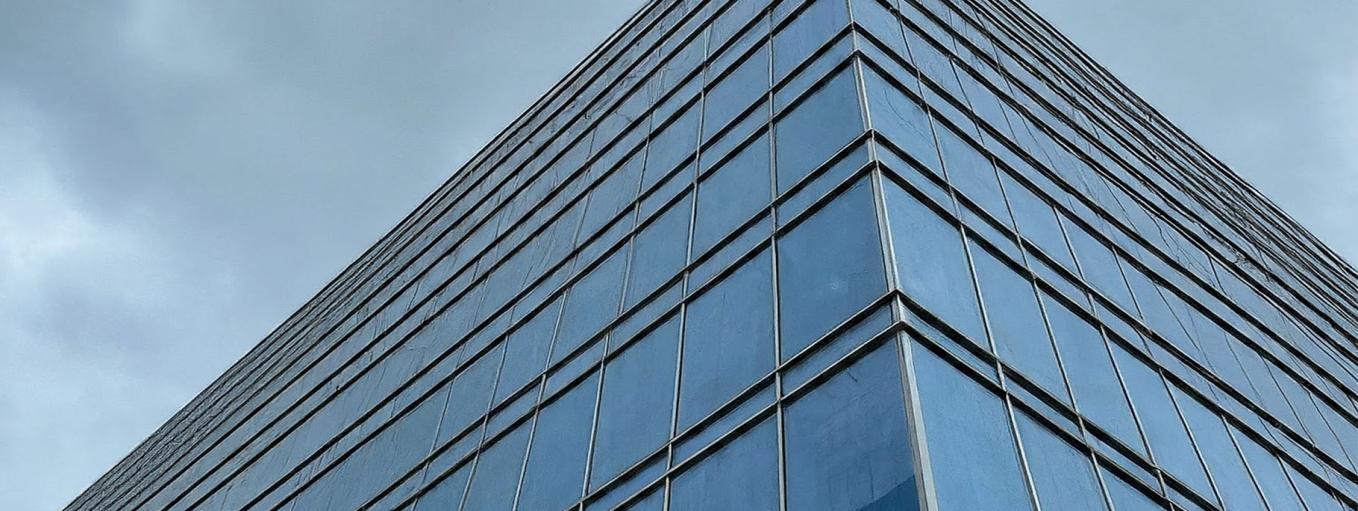
The term "tempered glass" might sound familiar if you've ever looked for protective screens for your smartphone, observed storefronts, or checked the specification of car windshields. But what exactly is tempered glass? How is it made, and why is it essential for architecture and construction? Let’s understand.
Tempered glass, also known as toughened glass, is a type of safety glass that undergoes specific treatments to enhance its strength and durability. During tempering, the glass is heated to extremely high temperatures and then rapidly cooled making it significantly stronger than regular glass.
But what does this mean for building construction and design? It means peace of mind! Tempered glass is significantly resistant to impact, and can resist high temperatures up to 250°C. In the unlikely event of breakage, it shatters into small, blunt pieces that are far less likely to cause any injury.
The benefits of using tempered glass are numerous. Tempered Glass is designed to withstand impact and high temperatures, making it ideal for a wide range of applications where strength and thermal resistance are critical such as curtain walls, railings, skylights, and table tops to name a few. The high temperature-resistant property of Tempered glass makes it a good choice for applications near heat sources such as kitchen backsplash and over-counter shutters as well.
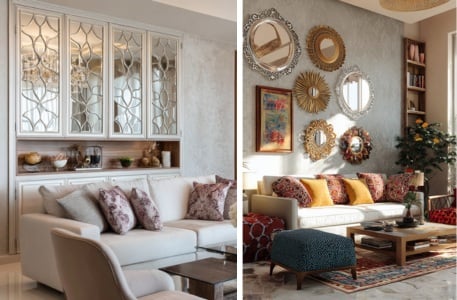
Not just regular clear glass but frosted, solar control and even tinted glass can be tempered to enhance their durability. Toughened or tempered glass can be treated with a lacquered coating to create toughened lacquered glass (Saint-Gobain Colormaxx Dura) which can be a great choice for high-traffic areas like passageways and elevators and high-temperature exposure environments such as kitchen backsplashes as well. Laminated tempered glass combines layers of tempered glass with a PVB interlayer which ensures shatter resistance for added safety.
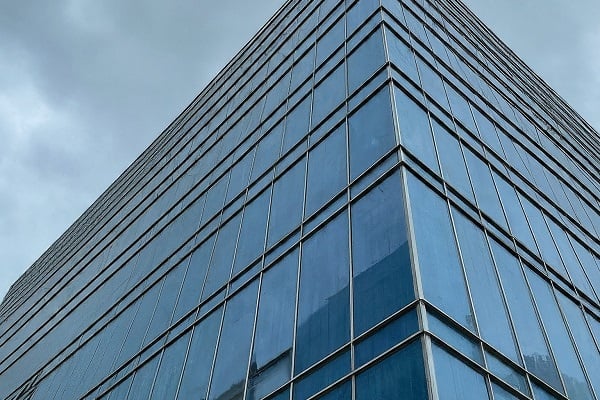
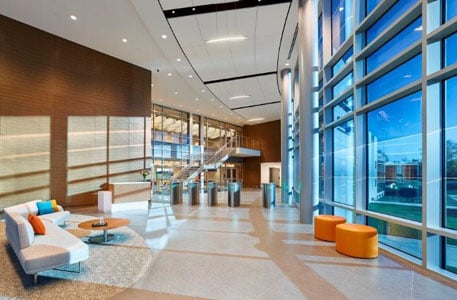
Solar Control Tempered Glass Facade
All you need to check while choosing the best tempered glass, is the application, temperature and light control needs, and durability requirements and you can select from the wide options available.
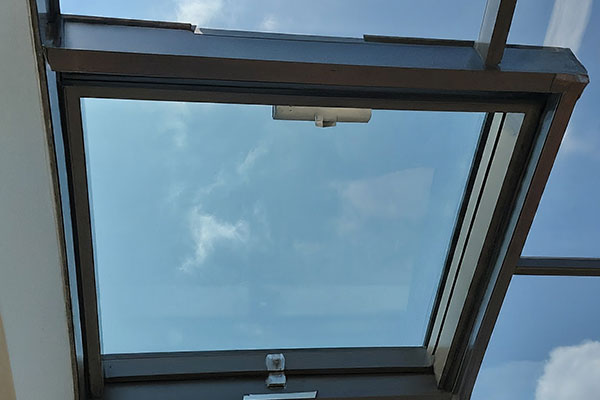
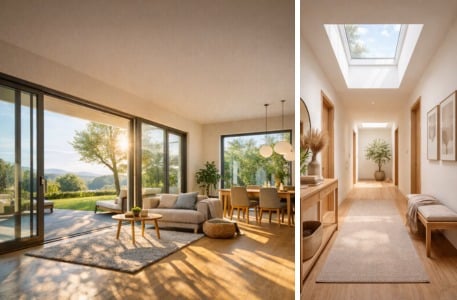
Laminated Tempered Glass Skylight
Here are a few examples of applications of tempered glass:
Windows and Doors: Provides safety and security, especially in high-rise buildings.
Facades and Skylights: Enhances the aesthetic appeal while ensuring safety.
Balustrades and Railings: Offer clear views with robust safety features.
Shower Doors: Combines hygiene with safety.
Partitions: Used in office spaces to create modern, open environments.
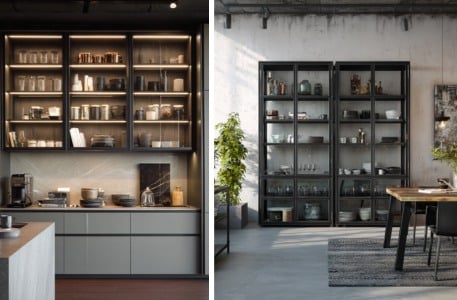
Furniture: Glass tabletops and shelves made from tempered glass are both stylish and durable.
Appliance Panels: Oven doors, microwave panels, washing machines, gas stoves, electric stoves and more utilize tempered glass for its heat resistance properties.
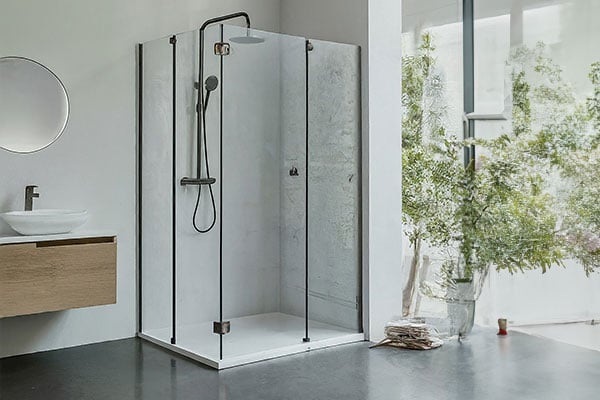
Frosted Tempered Glass Shower Enclosure
If you're looking for a strong, safe, and stylish glass option for your home or business, tempered glass is a great choice.
However, it's important to consult a glass professional to determine the right option of tempered glass for your specific needs.
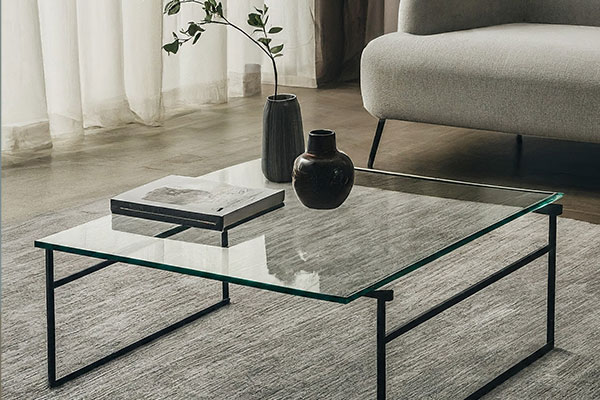
Clear Tempered Glass Table Top
So, the next time you encounter tempered glass, appreciate its versatility. It's not just about strength; it's about creating a functional and stylish space that perfectly meets your specific requirements.
What is the difference between toughened and tempered glass?
Toughened glass and tempered glass refer to the same type of glass. Both terms describe glass that has been heat-treated to increase its strength and safety.
Is tempered glass good for the bathroom?
Yes, tempered glass is ideal for bathrooms due to its strength and high temperature resistance. Glass, in general, is moisture-resistant.
What is the difference between tempered glass and regular glass?
Tempered glass is significantly stronger than regular glass due to a treatment process that involves heating the glass to extremely high temperatures and then rapidly cooling it. Also, in the unlikely event of breakage, toughened or tempered glass shatters into small, blunt pieces instead of sharp shards averting the risk of injury.
How to tell if the glass is tempered?
Look for an etched Saint-Gobain logo and the toughening partner logo to ensure original product and quality.
Can tempered glass be cut?
No, glass cannot be cut or drilled upon after it has been tempered. Any cutting, shaping or drilling must be done before the tempering process.
Shivani, an architect based in Pune, seamlessly balances multiple creative pursuits with over four years of experience in architectural practice. A graduate of VIT’s PVPCOA, her professional journey began with Kamat and Rozario Architecture in Bangalore, where she gained exposure to interior and architectural projects of varied scales. Read More