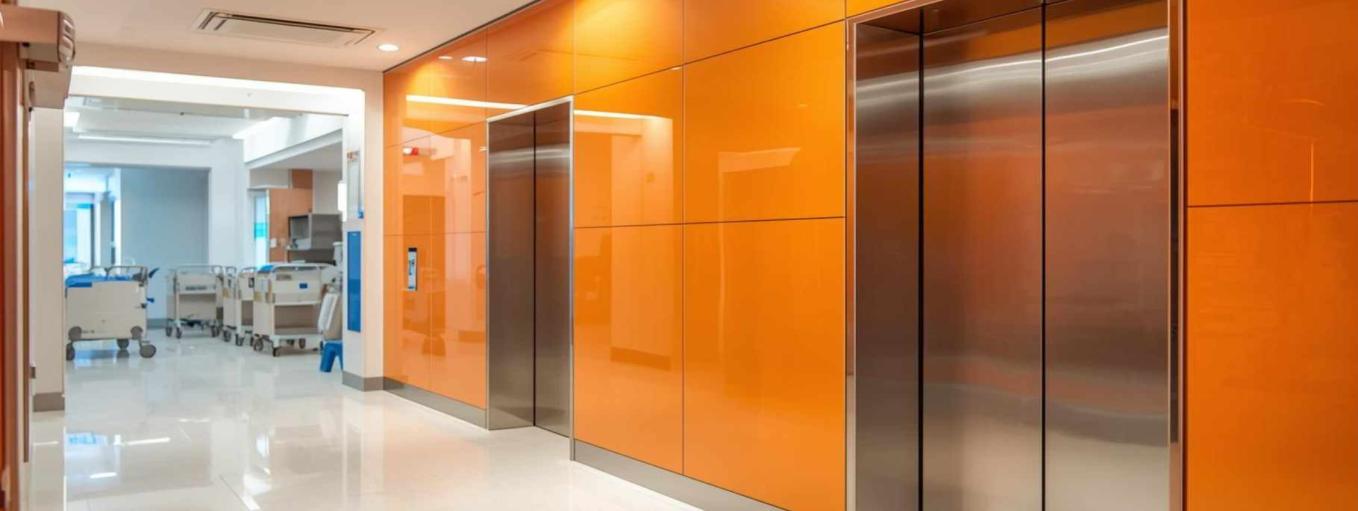
When you enter a hospital's premises, what’s the first thing you notice? For many, it’s not the equipment or technology but the feeling that the space creates. Subtle design elements, such as colour and material choice, have a powerful influence on mood, recovery, and overall well-being. Colour, being a fundamental element of environmental design, shapes how people feel, think, and interact with a space.
According to the IGBC Green Healthcare Facility Rating Systems, selecting the right colours can reduce anxiety, aid recovery, and have a positive impact on patients and staff. And when these colours are brought to life through glass interiors, the result is both visually uplifting and functionally sustainable.
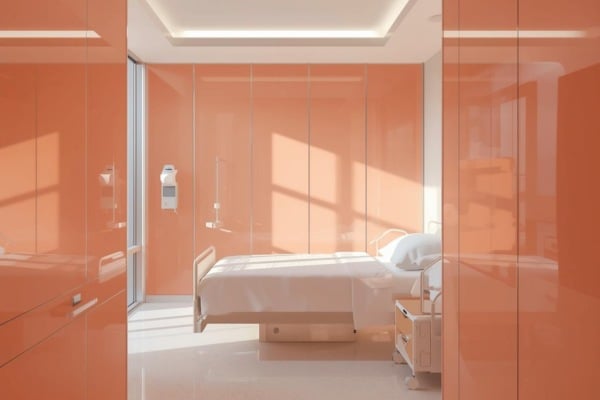
Pastel Tones for Children’s Healthcare Settings.
Extensive research in colour psychology in hospitals shows that different hues can stimulate distinct emotional and physiological responses. In healthcare design, this means that colour is not just decorative—it can directly influence how patients recover and how staff perform.
Associated with emotional stimulation and mental energy, light red works well in areas where alertness and motivation are essential. This shade is especially effective in administrative zones, offices, or meeting rooms in hospital interiors where focus and productivity matter.
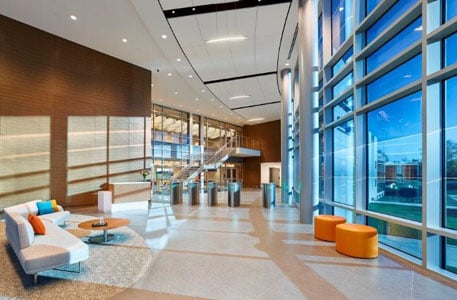
A vibrant and energising hue, orange enhances alertness and even improves oxygen flow to the brain. In healthcare facilities, it’s an ideal choice for waiting areas, corridors, and staff lounges, where a sense of optimism and positivity can ease stress for both patients and caregivers.
Gentle and nurturing, pink calms anxiety, reduces headaches and eases digestive stress. This makes it a powerful colour for patient rooms, recovery zones, and healing environments, where comfort and emotional well-being are critical to recovery.
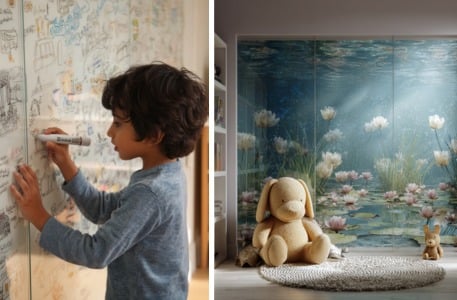
In some cases, children’s healthcare settings use playful rainbow colours or soft pastel tones to create feelings of joy, growth, and positivity.
Shades of blue and green are known to promote calmness, balance, and relaxation. These colours induce a calming reaction to the heart rate and blood pressure, encouraging a harmonious balance of body and mind.
Also read How Glass Promotes Healing In Hospitals: Top 7 Ways
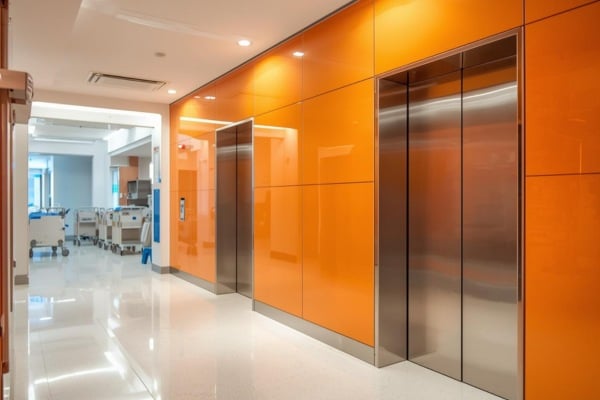
SGG Colormaxx Dura, Lacquered glass panels for High-Traffic Zones
While colour psychology sets the emotional tone, the choice of material determines how effectively a healthcare environment can maintain hygiene, durability, and sustainability. Glass solutions address the high-performance demands of hospitals while adding aesthetic value.
Also Read Unlimited Interior Design Ideas with SGG Colormaxx Glass
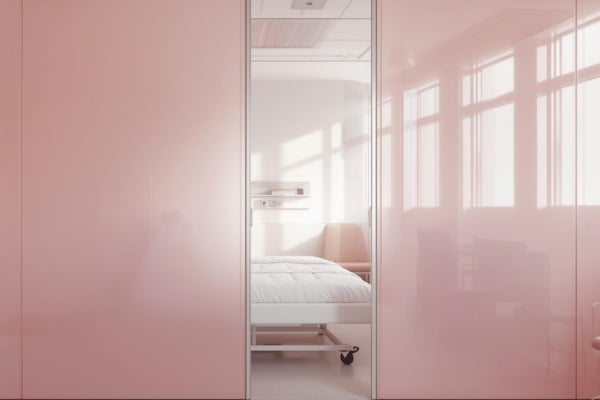
Pink Lacquered Glass Wall Panels in Patient Rooms
Colour psychology, combined with glass accents, can be integrated across various zones in a healthcare facility to make the space more comfortable and boost patients' happiness.
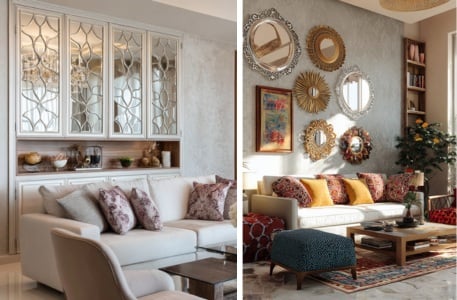
Using soft hues, such as pink lacquered glass wall panels, reduces stress, encourages relaxation, and creates a soothing environment for recovery.
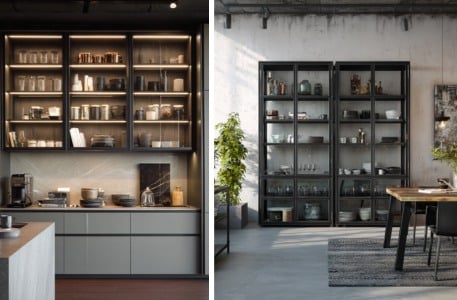
Incorporating light red glass cabinet shutters or partitions can stimulate mental energy, helping staff stay focused and motivated during long working hours.
Setting up bright orange wall panels in the lobby or common areas can reduce fatigue, spark optimism, and uplift the mood.
Combining warm tones with easy-to-clean glass ensures hygienic, high-energy spaces that enhance staff productivity while maintaining safety.
These practical applications show how colour psychology in hospitals can be seamlessly woven into functional interior solutions.
Also read 5 Reasons Why Lacquered Glass is the Best Fit for Home Decor
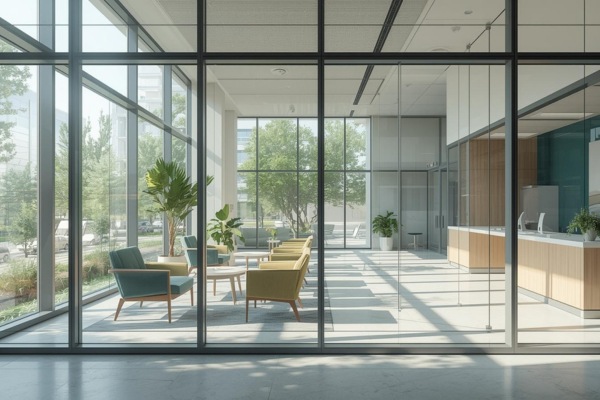
High-Performance Glass Solutions for Energy-Efficiency
Glass in healthcare interiors plays a critical role in achieving sustainable, eco-friendly design goals. This aligns seamlessly with the IGBC Green Healthcare Facility ratings, which promote patient-centric, energy-efficient, and low-carbon design strategies.
Therefore, glass meets strict hygiene requirements while also supporting energy-efficiency and sustainability, emerging as a future-ready solution for healthcare environments.
Also read Understanding the Importance of High Performance Glass in Homes
Healthcare design is about creating an environment where recovery feels natural, stress is minimised, and positivity is encouraged. Through the thoughtful integration of different elements, colours and glass solutions, hospitals reimagine spaces as uplifting, safe, and sustainable.
Why is colour psychology important in hospital design?
Colour psychology influences patient recovery, reduces stress, and boosts staff productivity. Carefully chosen colours create a healing environment that supports emotional and physical well-being.
How does glass contribute to hospital interiors?
Glass is non-porous, easy to clean, moisture-resistant, and free from bacterial absorption. This makes it more hygienic than other materials like wood or laminates, making it ideal for hospital interiors.
What is lacquered glass, and why is it suitable for hospitals?
Lacquered glass is back-painted glass with a durable coating that gives a vibrant colour while retaining all the hygienic, moisture-resistant, and durable properties of glass. In hospitals, it is widely used for wall panels, cabinet shutters, and partitions.
Can lacquered glass be toughened for safety in healthcare facilities?
Yes. Saint-Gobain’s SGG Colormaxx Dura, lacquered glass in a toughened variant, ensures enhanced strength, safety, and durability. This makes it suitable even for high-traffic hospital areas.
Jahanavi Arora is an architect by profession and a writer by choice, with over 7 years of experience in architecture and design writing. She graduated from Chandigarh and believes that writing and architecture are similar as both are forms of art. Read More