Imagine waking up to the soft glow of morning sunlight or gazing at the stars from the comfort of your home. That’s the beauty of skylights. A skylight is a wonderful way to inject natural light and bathe interior spaces in a warm glow.
In addition to brightening, skylights lend a dimension to any space and add aesthetic value to a home. From enriching your living rooms to yearning for a touch of drama in kitchens, enliven your interiors with functional and awe-inspiring skylights.
Let’s explore the various styles and benefits and learn how to choose the perfect skylight for your home.
Skylights are architectural elements designed to infuse natural light and brighten the interiors. Often known as “roof lights” or “roof windows,” these design gems flood natural light into spaces, reducing reliance on artificial lighting and boosting energy efficiency.
Unlike regular windows, skylights are positioned under the open sky, bringing more natural light into the building while creating a spacious and welcoming environment. Skylight windows come in varied shapes, sizes, and types with provisions to allow ventilation and temperature control, thereby transforming the ambience of any room.
Beyond functionality, skylights add elegance and charm that enhance the appeal and value of the property. Whether you desire a contemporary look or favour a timeless style, skylights can be tailored to suit your design, creating an attractive focal point and accentuating the aesthetics of your home.
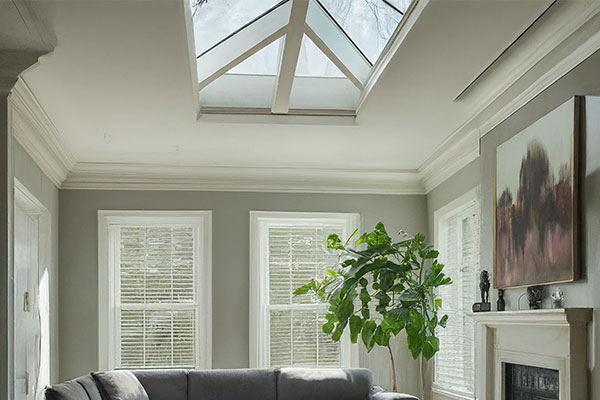
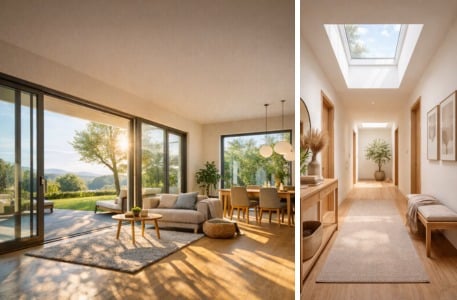
Skylights bring copious amounts of natural light to any room, boosting moods and saving energy, leading to a more eco-friendly footprint. The position of skylights is important; choose the direction that provides indirect light and does not cause a glare effect.
Position your skylight window at the right angle to illuminate even the darkest corners, making rooms feel more open and airy. This is advantageous in compact spaces or rooms with limited light, creating an illusion of expanded space.
Creating a comfortable indoor environment in a tropical context like India can be challenging. Opt for properly installed and operable skylights, which can be opened fully or partially, preventing moisture build-up. These ventilated skylights allow hot air to escape and cooler air to enter the space through the other windows, reducing humidity and promoting natural ventilation.
Skylights add a touch of modern flair to any building, introducing a dynamic element that connects the interior to outdoor beauty. The influx of natural light infuses striking appeal to your living space, highlighting the architectural details of the interiors and adding a classy look.
Skylights come in a range of shapes, sizes, and styles, providing flexibility to meet the desired functional and aesthetic demands. You can choose from fixed skylights that lend brightness or vented ones that offer natural light and airflow.
Skylights are the desirable feature that adds both aesthetic and functional value to a home! With excellent natural light, ventilation, and mood-enhancing properties, homes with pre-installed skylights attract potential buyers and can fetch a higher market value.
Skylights are available in different styles for all kinds of roofs. From fixed flat-roof skylights to tubular designs, choose the perfect skylight window that matches your interiors while making your living space warm and welcoming.
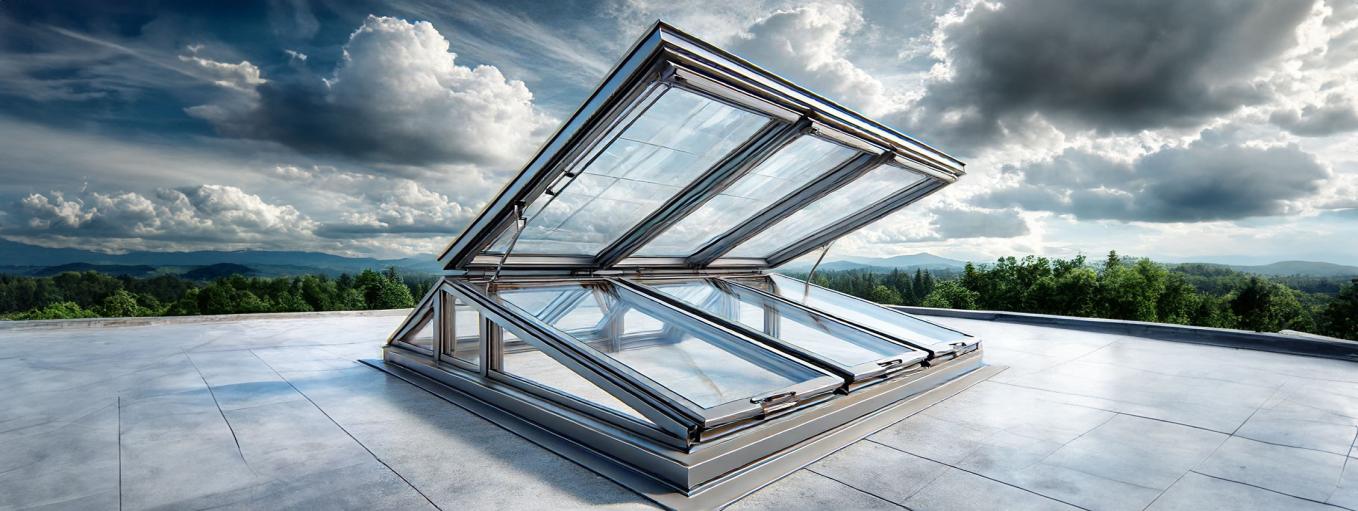
If you desire airflow and ventilation, venting skylights might be your jam. They are ideal for spaces that require extra ventilation, such as kitchens, bathrooms, and attics. Common vented skylights are hinged on one edge and open at a short angle; these skylights can be opened manually or electronically. Venting skylights release hot air from the roof, thereby letting fresh air in through other openings, improving indoor air circulation and ensuring a comfortable indoor environment.

These are the most popular roof skylights that bring ample natural light without the option for ventilation. They are suitable for areas where additional light is desired, such as hallways, stairwells, and living rooms. They are usually simple in form and can be sealed for enhanced energy efficiency and weather protection, especially in cooler climates.
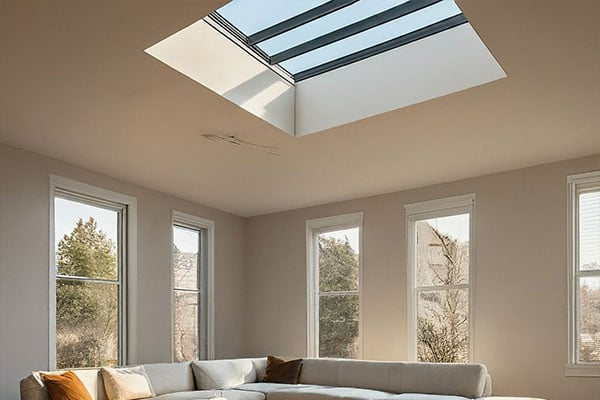
Limited space but still fancy natural light? Tubular skylights help capture and diffuse sunlight through a reflective tube into your home. Their smaller footprint compared to conventional designs makes them an excellent choice for halls, closets, and bathrooms.

Curb-mounted skylights are mounted on a raised frame (usually wooden or aluminum) or "curb" which is built onto the roof. This type of skylight installation is ideal for low-pitched roofs or flat roofs. The raised frame provides an additional layer of protection from rainwater. On the other hand, deck-mounted skylights are attached directly to the roof for a seamless look. Due to their integrated design, deck-mounted skylights are easier to install and have a lower profile and higher energy efficiency, best suited for steeper roofs.
Let’s go over the essential steps to help you pick the best skylight installation for your space.
Start by assessing your needs and determining which areas of your home need additional light, ventilation, and aesthetic features.
Select the mounting type that will work best for your roof. Curb-mounted skylights are ideal for flat and low-pitched roofs, while deck-mounted options suit sloped roofs. In case of false ceilings or not having direct access to the building facade, opt for tubular skylights.
Consider the size and shape of the skylight window to strike a harmonious balance with your room’s design. Larger skylights illuminate more light but may require structural adjustments. The glass must also be able to withstand impacts and be weather resistant.
Consider energy-efficient features like glass double glazing or low-e coating that reduce glare, reflect solar light, and save energy and costs.
Choosing the perfect glass to suit your skylight requirements is of utmost importance. Explore different glass materials, such as solar control glass, tempered glass, laminated glass, Low-E carbon glass, tinted glass and choose the one that suits your functional and aesthetic requirements.
For custom or complex designs, consult expert professionals.
Embrace the brilliance of skylights coupled with the numerous benefits of flooding interiors with natural light while maintaining privacy, glare reduction, improved ventilation and energy efficiency to create an uplifting environment for your interiors.
Can skylights be opened for ventilation?
Skylights are designed for airflow and ventilation and can be operated manually or motorised, maintaining a comfortable indoor temperature.
How many types of skylights are there?
While there are numerous ways of designing skylights three types which are particularly common are: fixed, ventilated, and tubular skylight windows categorized on the basis of mechanism and two types - curb-mounted and deck-mounted skylights, based on the mounting strategy.
What is the best size skylight?
The size of the skylight should be between 3-5% of the room's floor area and not more than 15% of the room's total floor area. However, consider other factors like roof structure, the position of the skylight, and type to craft the ideal size skylight for your home.
How do you maintain skylights to ensure their longevity?
Regular maintenance, such as cleaning the glass surface and inspecting the seal and leaks, ensures that all the parts of the skylight function properly.
Jahanavi Arora is an architect by profession and a writer by choice, with over 7 years of experience in architecture and design writing. She graduated from Chandigarh and believes that writing and architecture are similar as both are forms of art. Read More