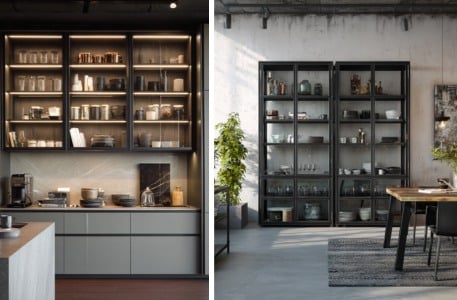

In the architecture and design landscape, every detail contributes to the integrity of a project, and glass is no exception.
Non-standard processing can lead to visible defects like roller waves (undulations on the glass), edge dips (uneven edges affecting fit and finish), and overall bow (distorted reflections and structure).
Such flaws compromise the visual appeal of architectural glass and also reduce safety, durability, and long-term value. Yet, many of these defects are not immediately visible to the untrained eye. So, how can architects, developers, and end-users be sure they are getting glass that truly matches the specified quality?
While choosing the best raw glass is important, the way that glass is processed determines its strength, clarity, safety, and overall performance.

Building the Future with Precision and Performance
Recognising the risk that poor processing can compromise glass quality and performance, Saint-Gobain has developed the Quality Excellence Program (QEP), a customer-centric initiative that ensures every pane of glass is genuine, reliable, and carries the trusted Saint-Gobain logo.
Saint-Gobain Assured Processors, QEP is a globally benchmarked program that ensures the quality specified at the design stage is exactly what gets delivered on site. By combining:
In today’s competitive architectural landscape, where the margin for error is slim, the Quality Excellence Program (QEP) stands as a benchmark of trust and accountability. By combining globally standardized protocols, rigorous audits, and the six pillars of quality assurance, Saint-Gobain ensures that the glass you specify at the design stage is precisely what you receive on site.
With QEP-certified processors, every pane of glass carries the promise of strength, safety, and clarity, backed by the assurance of Saint-Gobain.
The Quality Excellence Program is designed to create value across the ecosystem:
In a competitive market filled with numerous processors, QEP-certified processors stand out as trusted partners delivering architectural glass that is consistent, authentic, and durable.
Also read Quality Excellence Program (QEP) | Certified Excellence in Toughened Glass
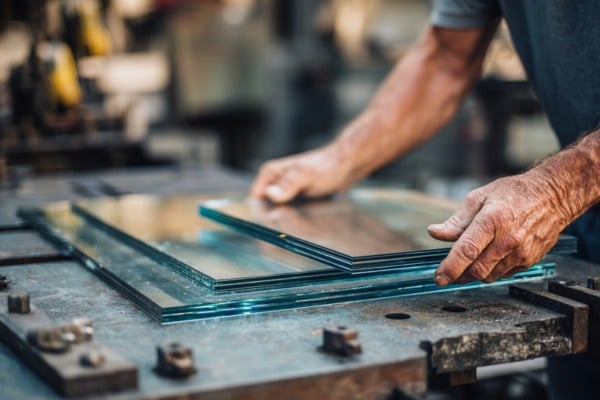
Crafted with care and tested for perfection.
When it comes to architectural glass, the difference between ordinary and exceptional lies in how the glass is processed. By partnering with QEP-certified processors, you gain the assurance of quality, reliability, and unmatched expertise. Here’s what sets them apart:
The Quality Excellence Program is a commitment to excellence at every step of the glass processing and delivery journey, providing world-class standards and unmatched quality assurance.

QEP marks the assurance of trusted quality.
The Quality Excellence Program is built on a robust framework of 6 core pillars that ensure every empanelled processor meets Saint-Gobain's uncompromising standards in quality, safety, and operational excellence:
With rigorous checks at every stage, strict dimensional criteria and mandatory pre-dispatch protocols, Saint-Gobain glass meets the highest standards of quality.
Streamlined and optimised workflows with real-time data traceability pave the way for enhanced productivity and impeccable process reliability.
From state-of-the-art storage facilities to standardised dispatch protocols, efficient warehouse practices under QEP ensure timely, accurate, and traceable delivery of processed glass.
In-depth evaluation of furnace efficiency, calibration, and safety compliance ensure the furnace operates with peak thermal and mechanical performance.
This audit performs stringent checks, robotic sealant application, and shelf-life accuracy for the performance and durability of Double Glazed Units.
Monitoring and validating the laminated glass process for strength, clarity, and safety, while maintaining controlled storage conditions and regulating temperature and humidity in the assembly room.
What is the Quality Excellence Program (QEP) by Saint-Gobain?
QEP is a globally benchmarked initiative by Saint-Gobain that ensures processed glass meets the highest standards of quality, safety, and reliability through certified processors, audits, and strict protocols.
Why is processed glass quality important in architecture?
The way glass is processed, tempered, laminated, or assembled—directly impacts its strength, clarity, safety, and value performance. Poor processing of glass can lead to defects like roller waves, edge dips, or distortion.
How does QEP benefit architects, developers, and contractors?
QEP-certified processors reduce site rejections, ensure on-time delivery, and guarantee glass solutions that meet the exact design specifications, minimising project risks and delays.
What are the six pillars of the QEP framework?
The program is built on six pillars: Quality Management System, Process Control, Warehouse Management, Furnace Audit, DGU Audit, and Lamination Audit, covering the complete spectrum of glass processing excellence.
How do I identify a QEP-certified processor?
Saint-Gobain Assured processors under QEP are officially listed and recognised by Saint-Gobain, making it easy for customers to verify and select trusted partners for their glass requirements.